
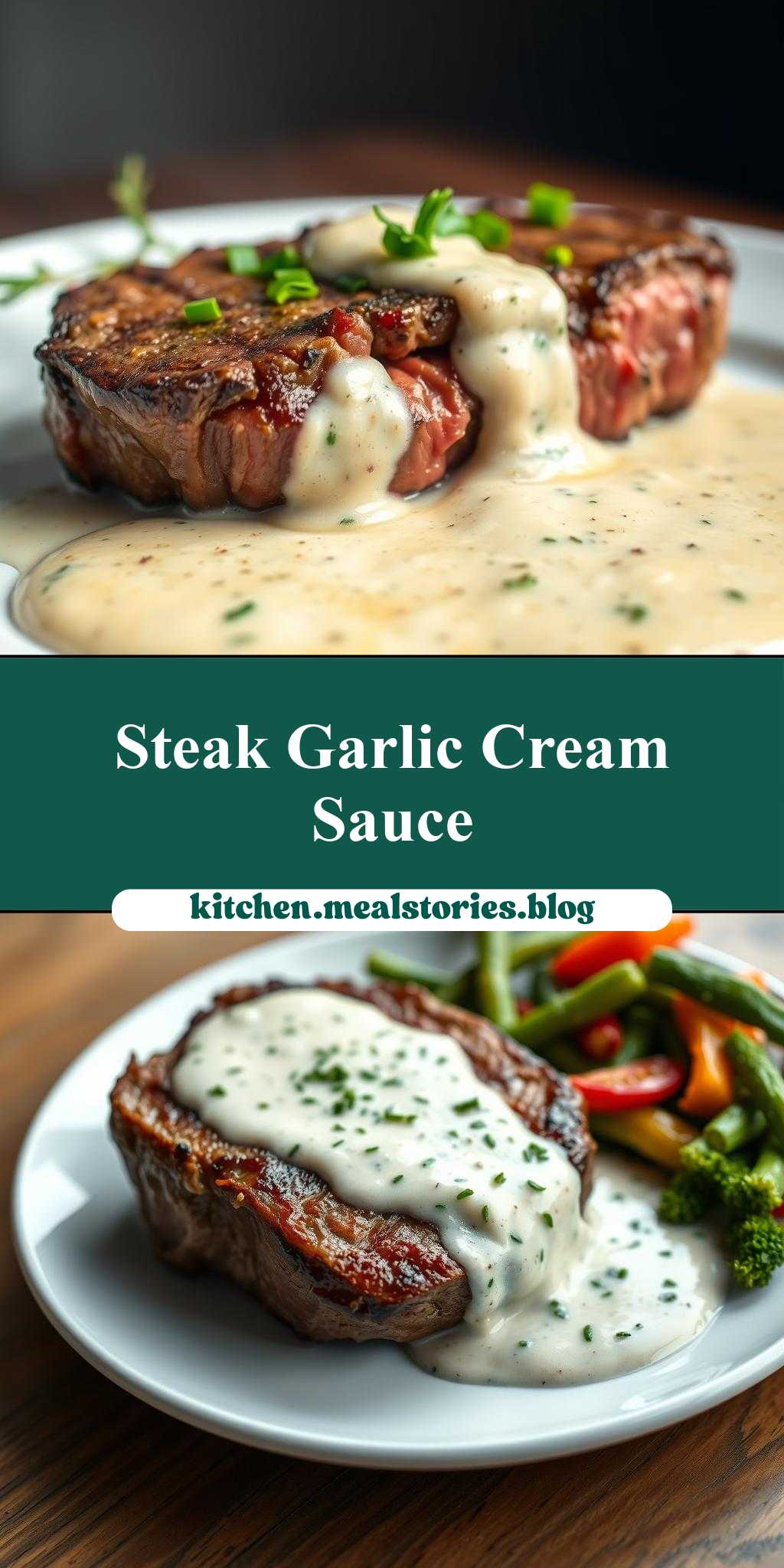
What makes a perfect weeknight dinner in your book – is it a juicy steak with a rich homemade sauce? This steak with garlic cream sauce is a game changer, made with tender garlic and a quick pan sauce that elevates the entire dish. Save this idea for your next easy family favorite meal.
Steak With Garlic Cream Sauce
Introduction
Imagine a dish that combines the richness of a perfectly grilled steak with the velvety smoothness of a garlic cream sauce, all made with ingredients you likely have in your pantry. This Steak With Garlic Cream Sauce recipe is not only a masterpiece of flavor balance but also a testament to the creativity that can be unleashed with everyday ingredients. Whether you’re a seasoned chef or a culinary newbie, this recipe promises to impress with its ease of preparation, requiring minimal effort for a dish that tastes like it was crafted in a high-end restaurant. The beauty of this recipe lies in its accessibility and the potential for personalization, making it a perfect fit for any meal, from a cozy night in to a special occasion dinner.
Why This Works
- Flavor balance and ingredient accessibility: The combination of a tender steak, the pungency of garlic, and the richness of cream creates a harmonious balance of flavors that is both comforting and sophisticated. The best part is that the ingredients are readily available, making this dish achievable for anyone.
- Ease of preparation: Despite its impressive outcome, the recipe is remarkably straightforward. It involves simple steps like seasoning the steak, cooking it to perfection, and then whipping up a quick garlic cream sauce to accompany it.
- Impressive results with minimal effort: The real magic of this recipe is how it transforms basic ingredients into a gourmet meal with minimal fuss. The garlic cream sauce, in particular, adds a luxurious touch that elevates the dish from ordinary to extraordinary.
Key Ingredients
The foundation of this recipe is built around a few key ingredients: a good cut of steak (such as ribeye or strip loin), garlic, heavy cream, butter, and a selection of aromatics like shallots or onions. For the steak, you can opt for your preferred cut, but thicker cuts tend to work better for achieving a nice crust on the outside while keeping the inside juicy. Garlic is a crucial flavor component, and using fresh garlic will give you the best results. Heavy cream is what gives the sauce its luxurious texture, but you can also experiment with half-and-half or a mixture of milk and cream for a lighter version. Practical substitutions can include using garlic powder if fresh garlic is not available, or swapping heavy cream with a non-dairy alternative for a vegan version. The beauty of cooking is the flexibility to adjust recipes based on what you have on hand or your personal preferences.
Instructions
- Step 1: Begin by preparing your ingredients. This includes seasoning the steak with salt, pepper, and any other seasonings you prefer, mincing the garlic, and chopping any aromatics you plan to use. Let the steak sit at room temperature for about 30 minutes before cooking to ensure it cooks evenly.
- Step 2: Cook the steak. You can grill it, pan-sear it, or even cook it in the oven, depending on your preference and the equipment you have. For a nice crust, searing it in a hot skillet with some oil or butter is recommended. Cook the steak to your desired level of doneness, then let it rest before slicing it thinly.
- Step 3: While the steak is cooking or after it has been removed from the heat, start making the garlic cream sauce. Begin by melting butter in a saucepan over medium heat, then add the minced garlic and cook until fragrant, being careful not to burn it. Next, pour in the heavy cream, and let it simmer until the sauce has thickened slightly, stirring occasionally. Season the sauce with salt, pepper, and any additional herbs or spices you like.
- Step 4: For the final touches, slice the cooked steak against the grain. Serve it with the garlic cream sauce spooned generously over the top. You can also add some sautéed vegetables or a side of mashed potatoes to round out the meal. The key to plating is to make it look appealing, so consider the colors and textures you’re working with and arrange them in a way that’s visually appealing.
Handy Tips
- One of the most helpful kitchen advice for this recipe is to not overcook the steak. Use a meat thermometer to check for doneness, aiming for 130°F – 135°F for medium-rare, 140°F – 145°F for medium, and 150°F – 155°F for medium-well. Also, don’t overcrowd the skillet when cooking the steak; cook it one or two at a time, depending on their size and your skillet’s size.
- For substitutions, consider what will maintain the integrity of the dish. For example, if you’re out of heavy cream, a mixture of milk and butter can provide a similar richness, though it won’t be as luxurious.
- Avoid burning the garlic, as it can quickly become bitter and ruin the flavor of the sauce. Cook it over medium heat and stir frequently.
Heat Control
Heat control is crucial in this recipe, both for cooking the steak and for making the garlic cream sauce. For the steak, high heat is necessary to achieve a nice crust, especially if you’re pan-searing. However, the heat should be adjusted based on the thickness of the steak and the desired level of doneness. For the garlic cream sauce, medium heat is ideal. You want the butter to melt and the garlic to cook slowly, infusing the cream with flavor without burning. The sauce should simmer until it thickens, which can take about 5-7 minutes, stirring occasionally to prevent scorching.
Crunch Factor
The texture of this dish is primarily tender, thanks to the steak and the creamy sauce. However, adding a crunch can elevate the dish. Consider topping the steak with toasted nuts, crispy fried onions, or even a sprinkle of crispy bacon bits. The contrast between the tender steak, the smooth sauce, and the crunchy topping can add depth and interest to the dish.
Pro Kitchen Tricks
- One expert tip is to use a cast-iron skillet for cooking the steak. Cast iron retains heat beautifully and can achieve a perfect sear. Additionally, letting the steak rest before slicing it is crucial for retaining juices.
- For the garlic cream sauce, whisking constantly when you first add the cream can help prevent lumps from forming. Also, don’t boil the sauce; a simmer is what you’re aiming for to thicken it evenly.
- Cleanup can be made easier by preparing all ingredients before starting to cook, and wiping down the counters and washing utensils as you go. This habit can save time in the long run and make cooking more enjoyable.
Storage Tips
- Leftover steak can be stored in the refrigerator for up to 3 days. It’s best to slice it before storing to make it easier to reheat and serve. The garlic cream sauce can also be refrigerated for up to 3 days or frozen for up to 2 months. Reheat the sauce gently over low heat, whisking until smooth.
- For reheating, slice the cold steak thinly against the grain and warm it in the oven at a low temperature (around 200°F – 250°F) wrapped in foil. You can also reheat it in the microwave, but be cautious not to overcook it.
- The best containers for storing leftovers are airtight, to prevent other flavors from affecting the dish. Glass containers with tight-fitting lids are ideal for both the steak and the sauce.
Gift Packaging Ideas
If you’re considering gifting this dish, perhaps for a dinner party or as a care package, presentation is key. For the steak, it might be more practical to gift the ingredients or a gift card to a butcher, along with the recipe. However, the garlic cream sauce can be jarred and gifted. Use decorative jars, add a ribbon around the lid, and include a card with the recipe and serving suggestions. You could also pair the sauce with a nicely packaged steak seasoning or a bottle of wine for a complete gift.
Flavor Variations
- Different spices can completely change the profile of the dish. Consider adding a pinch of paprika for a smoky flavor, dried thyme for an earthy note, or red pepper flakes for a spicy kick.
- Creative toppings can also personalize the dish. Besides the aforementioned crunchy toppings, you could try adding a dollop of sour cream, some caramelized onions, or a sprinkle of grated cheese.
- Ingredient swaps are another way to innovate. For a lighter version, you might use less cream or substitute it with Greek yogurt. For a vegan version, a non-dairy cream alternative and a plant-based “steak” could be used.
Troubleshooting
- Texture problems, such as a tough steak, can often be traced back to overcooking. Make sure to check the internal temperature and let the steak rest.
- Ingredient replacements should be done thoughtfully. If you’re substituting a main ingredient, consider how it will affect the overall flavor and texture of the dish.
- Over/undercooking signs are crucial to recognize. For the steak, look for the recommended internal temperatures. For the sauce, a simmer that’s too vigorous can lead to it breaking or becoming too thick.
FAQs
- Can I freeze it? Yes, both the cooked steak and the garlic cream sauce can be frozen. It’s best to freeze them separately for easier reheating and to prevent the sauce from becoming watery.
- Is it gluten-free? The recipe as described is gluten-free, but always check the ingredients of any store-bought items you might use, such as broth or seasonings, to ensure they are gluten-free.
- Can I double the recipe? Yes, you can easily double or triple this recipe for a larger crowd. Just keep in mind that cooking time might be slightly longer for the steak, and you’ll need to adjust the heat and simmering time for the sauce accordingly.
Conclusion
This Steak With Garlic Cream Sauce recipe is a versatile and delicious addition to any meal repertoire. With its balance of flavors, ease of preparation, and the potential for creativity and personalization, it’s a dish that can be enjoyed in many different settings. Whether you’re a beginner in the kitchen or an experienced chef, this recipe offers a lot to explore and enjoy. Don’t be afraid to experiment with different seasonings, toppings, or ingredient swaps to make the dish your own. And remember, the joy of cooking lies not just in the eating, but in the journey of creation and sharing the love and care that goes into preparing a meal for yourself and others.