
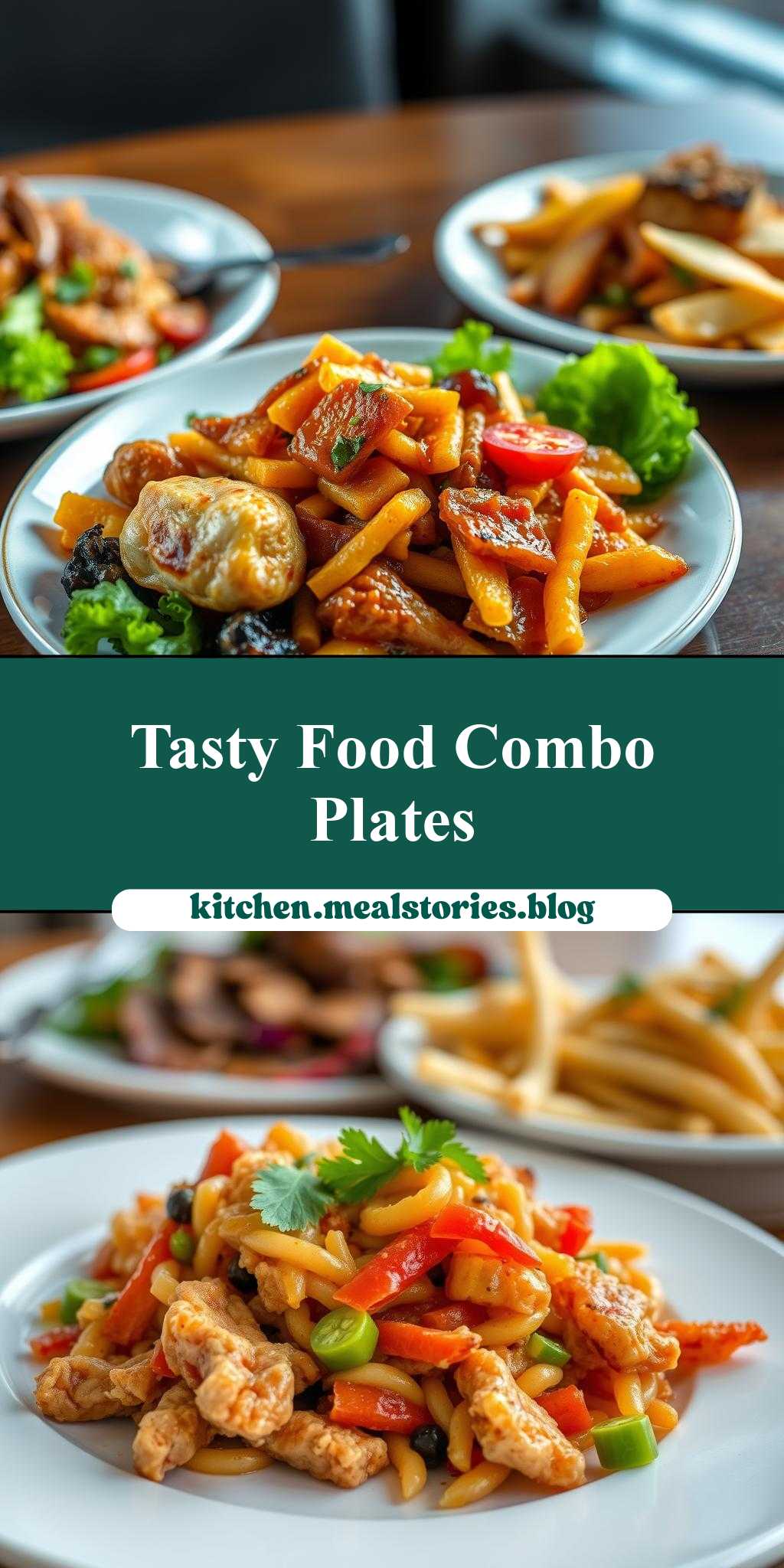
What’s the secret to a perfect meal spread? This colorful platter features a mix of quick roasted vegetables, easy grilled chicken, and homemade dips, making it an ideal weeknight dinner solution. With fresh herbs and simple cooking methods, you can create a delicious family favorite. Save this idea for your next gathering inspiration and try it soon
Two Plates Filled with Different Types of Food
Introduction
Welcome to the ultimate guide on how to create two stunning plates filled with a variety of delicious foods. This recipe is all about embracing creativity and simplicity, using everyday ingredients to craft dishes that are not only flavorful but also visually appealing. Whether you’re a beginner in the kitchen or an experienced chef, this article will walk you through the process of preparing two plates that showcase a range of textures, colors, and tastes. From the ease of preparation to the impressive results, get ready to dive into a culinary adventure that will leave you and your guests in awe.
Why This Works
- Flavor balance and ingredient accessibility: The key to this recipe’s success lies in the careful selection of ingredients that are readily available and offer a perfect balance of flavors.
- Ease of preparation: Despite the variety of dishes, the preparation process is surprisingly straightforward, making it accessible to cooks of all skill levels.
- Impressive results with minimal effort: With a little planning and creativity, you can achieve restaurant-quality presentations without spending hours in the kitchen.
Key Ingredients
The beauty of this recipe is its flexibility and the use of common ingredients that can be easily found in most kitchens. For the first plate, we’ll focus on grilled chicken, roasted vegetables, and a side of quinoa. For the second plate, we’ll explore the flavors of the sea with pan-seared salmon, garlic shrimp, and a mixed green salad. Practical substitutions can be made based on dietary preferences and ingredient availability. For instance, tofu can replace chicken for a vegetarian option, and gluten-free grains can be used instead of quinoa.
Instructions
- Step 1: Begin by prepping your ingredients. This includes chopping the vegetables, marinating the chicken and salmon, and measuring out the quinoa and mixed greens.
- Step 2: Cook the base ingredients. Grill the chicken, roast the vegetables in the oven, and cook the quinoa according to the package instructions. For the second plate, pan-sear the salmon and shrimp.
- Step 3: Layer the flavors and textures. Add a drizzle of your favorite sauce to the chicken and vegetables, and season the salmon and shrimp with herbs and spices.
- Step 4: Final touches and plating. Arrange the dishes on the plates in a visually appealing way, considering color, texture, and portion size. Add any final garnishes, such as fresh herbs or lemon wedges.
Handy Tips
- Always keep your kitchen organized and clean as you go to avoid clutter and make the cooking process more enjoyable.
- Don’t be afraid to experiment with new ingredients and flavors to make the dishes your own.
- For a professional touch, pay attention to the presentation. The way you arrange the food on the plate can elevate the dining experience.
Heat Control
If you’re cooking with heat, whether it’s grilling, roasting, or pan-searing, it’s crucial to control the temperature and timing to achieve the perfect doneness. For grilled chicken, aim for an internal temperature of 165°F (74°C), and for pan-seared salmon, cook until it reaches 145°F (63°C). Always use a thermometer to ensure food safety and the best texture.
Crunch Factor
Achieving the right texture, whether it’s crisp, crunchy, or tender, can make or break a dish. For the roasted vegetables, a slightly caramelized exterior with a tender interior is ideal. This can be achieved by tossing the vegetables in a bit of oil and seasoning before roasting in a hot oven. For the mixed green salad, crisp, fresh greens are a must, so choose the best quality lettuce and add crunchy elements like nuts or seeds for contrast.
Pro Kitchen Tricks
- Use a ‘mise en place’ approach to have all your ingredients ready before starting to cook, which helps in maintaining a clean and efficient workflow.
- Invest in a good set of knives and learn basic knife skills to make food preparation faster and safer.
- Keep a well-stocked pantry with staples like olive oil, spices, and canned goods to always have the basics covered.
Storage Tips
- For leftovers, store each component separately in airtight containers in the refrigerator for up to 3 days.
- Reheat foods to the appropriate internal temperature to ensure safety and quality.
- Consider freezing certain components, like cooked quinoa or grilled chicken, for future meals. Label and date all containers for easy identification.
Gift Packaging Ideas
If you’re considering gifting your culinary creations, presentation is key. Use attractive containers or plates, and garnish with fresh herbs or edible flowers. For a more rustic touch, wooden boards or baskets filled with an assortment of foods can make a lovely gift. Don’t forget to include a personalized note or recipe card to make it extra special.
Flavor Variations
- Different spices: Experiment with various spice blends like Italian seasoning, curry powder, or chili flakes to give your dishes unique flavors.
- Creative toppings: Add toppings like diced fruits, nuts, seeds, or pickled vegetables to add texture and flavor contrast.
- Ingredient swaps: Substitute chicken with turkey, or salmon with tilapia, to create new versions of the dishes.
Troubleshooting
- Texture problems: If your roasted vegetables are too soft, try increasing the oven temperature or reducing the cooking time. For tough chicken, ensure it’s not overcooked.
- Ingredient replacements: If an ingredient is not available, look for substitutes that offer similar texture and flavor. For example, replace quinoa with brown rice or farro.
- Over/undercooking signs: Always check the internal temperature of meats and the texture of vegetables and grains to avoid under or overcooking.
FAQs
- Can I freeze it? Yes, many components of this recipe can be frozen for later use. Just ensure they’re stored properly and reheated to a safe temperature.
- Is it gluten-free? The recipe as described is gluten-free, but always check the ingredients of any store-bought items like sauces or seasonings to ensure they meet dietary requirements.
- Can I double the recipe? Absolutely, just multiply the ingredients accordingly. Keep an eye on cooking times and temperatures, especially when dealing with larger quantities.
Conclusion
Creating two plates filled with different types of food is not just about following a recipe; it’s about expressing your creativity and passion for cooking. With these steps and tips, you’re well on your way to crafting dishes that are both delicious and visually stunning. Remember, the joy of cooking lies in experimentation and sharing meals with others. So, don’t be afraid to try new things, and most importantly, enjoy the process and the pleasure of savoring your creations.