
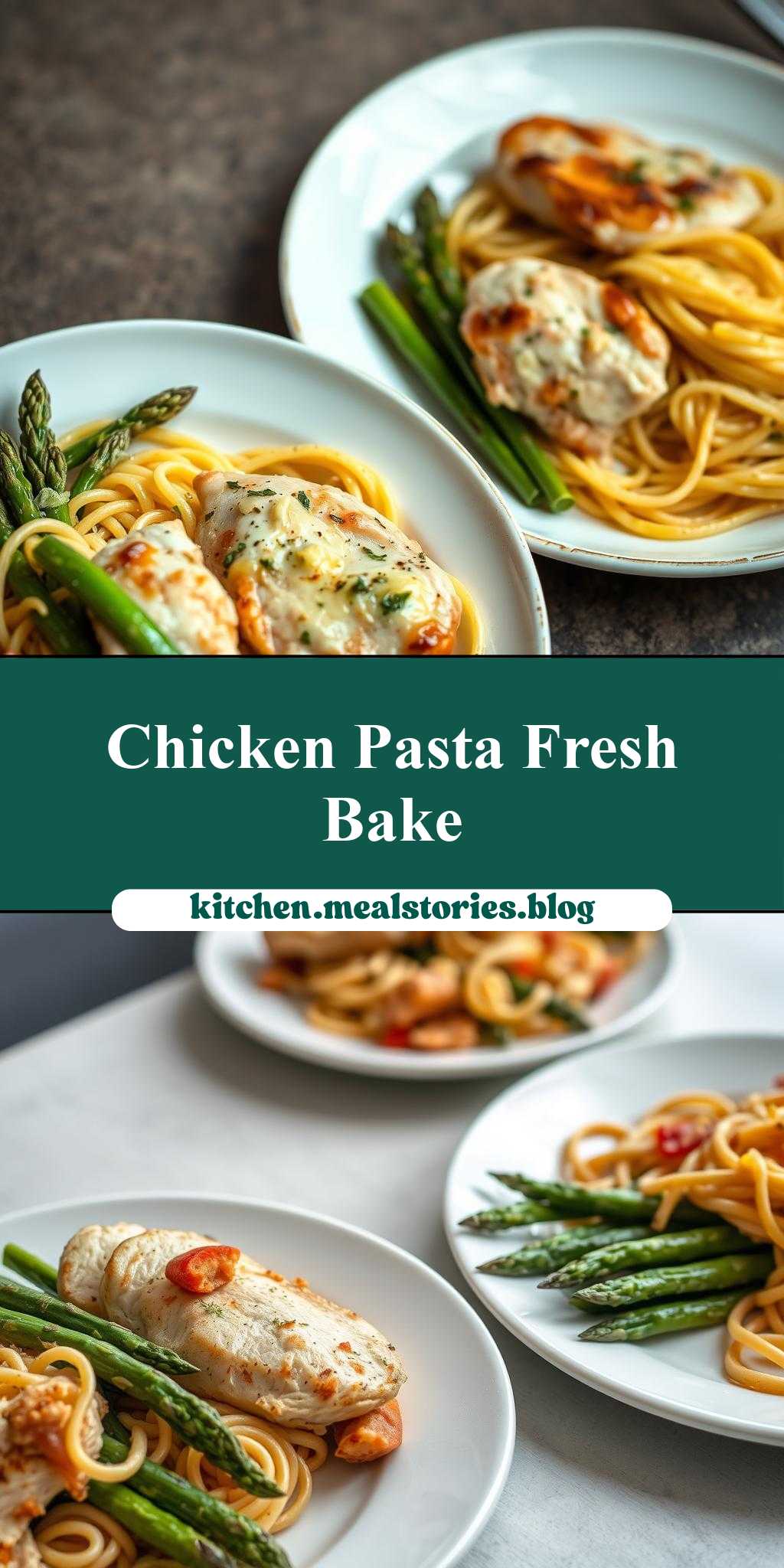
What makes these chicken and pasta plates a staple in our home? The secret lies in the perfect balance of tender asparagus, juicy chicken, and a homemade touch. This easy weeknight dinner is ready in no time, making it a family favorite. Save this idea for a quick meal solution that never goes out of style, try it soon and enjoy the simplicity of a delicious homemade meal.
Two Plates with Chicken, Pasta, and Asparagus on Them
Introduction
Imagine a dish that combines the tender flavor of chicken, the hearty goodness of pasta, and the vibrant crunch of asparagus, all perfectly balanced on two plates. This recipe is a masterclass in simplicity and elegance, using everyday ingredients to create a culinary experience that is both comforting and impressive. With its ease of preparation, flavor balance, and impressive presentation, this dish is perfect for a weeknight dinner or a special occasion. The best part? It’s incredibly easy to make and requires minimal effort, making it a great option for those looking to elevate their mealtime without spending hours in the kitchen.
Why This Works
- Flavor balance and ingredient accessibility: This dish works because it combines familiar flavors in a new and exciting way, using ingredients that are easily found in most supermarkets.
- Ease of preparation: The steps involved in preparing this dish are straightforward and simple, making it accessible to cooks of all skill levels.
- Impressive results with minimal effort: Despite its simplicity, the end result is a dish that looks and tastes like it was prepared in a professional kitchen, sure to impress friends and family.
Key Ingredients
The main ingredients in this recipe include boneless, skinless chicken breasts, pasta of your choice (such as fettuccine or penne), fresh asparagus, olive oil, garlic, salt, and pepper. For added flavor, you can also use lemon juice, grated Parmesan cheese, and chopped fresh parsley. Practical substitutions can be made for some ingredients; for example, you can use frozen asparagus if fresh is not available, or substitute chicken with shrimp or tofu for a different protein option.
Instructions
- Step 1: Begin by prepping your ingredients. Chop the asparagus into bite-sized pieces, mince the garlic, and season the chicken with salt and pepper.
- Step 2: Cook your pasta according to the package instructions until it’s al dente, then set it aside. In a large skillet, heat some olive oil over medium-high heat and cook the chicken until it’s browned on both sides and cooked through. Remove the chicken from the skillet and set it aside with the pasta.
- Step 3: In the same skillet, add a bit more olive oil if necessary, then add the minced garlic and cook for about a minute until fragrant. Add the asparagus to the skillet and cook until it’s tender but still crisp, seasoning with salt, pepper, and a squeeze of lemon juice.
- Step 4: To finalize the dish, slice the cooked chicken into strips and add it back into the skillet with the asparagus, tossing everything together. Combine the cooked pasta with the chicken and asparagus mixture, topping with grated Parmesan cheese and chopped parsley. Serve hot on two plates.
Handy Tips
- One of the most helpful tips for this recipe is to not overcook the asparagus, as it can quickly become mushy and lose its appeal. Also, consider using high-quality ingredients, like fresh parsley and real Parmesan cheese, to elevate the flavors of the dish.
Heat Control
Heat control is crucial in this recipe, especially when cooking the chicken and asparagus. For the chicken, cook it over medium-high heat to get a nice brown on the outside, then reduce the heat to medium to finish cooking it through. For the asparagus, cook it over medium heat to prevent burning. The ideal internal temperature for cooked chicken is 165°F (74°C), and it should feel firm to the touch. Asparagus is done when it’s tender but still crisp, usually after 3-5 minutes of cooking, depending on the thickness of the spears.
Crunch Factor
Achieving the right texture is important in this dish, particularly with the asparagus. To keep the asparagus crunchy, cook it for a shorter time and check on it frequently. You can also add a bit of water to the skillet and cover it for a minute to steam the asparagus, helping it retain its crunch. For the pasta, al dente texture is key, meaning it should still have a bit of bite to it and not be too soft.
Pro Kitchen Tricks
- One expert tip is to use a cast-iron or stainless steel skillet for cooking, as these retain heat well and can achieve a nice sear on the chicken. Another trick is to not overcrowd the skillet, cooking the chicken and asparagus in batches if necessary, to ensure everything cooks evenly and doesn’t steam instead of sear.
Storage Tips
- For leftovers, store the chicken, pasta, and asparagus in separate containers in the refrigerator to keep them fresh for up to 3 days. Reheat gently in the microwave or on the stovetop, adding a bit of olive oil or chicken broth if the pasta seems dry. It’s not recommended to freeze this dish, as the texture of the pasta and asparagus can become unpleasant after thawing.
Gift Packaging Ideas
While this dish is best served fresh, if you’re looking to give a similar culinary gift, consider packaging the ingredients in a gift basket or bag. Include a box of pasta, a jar of marinara sauce, fresh asparagus, and a cookbook with the recipe, along with some gourmet olive oil and Parmesan cheese. This allows the recipient to prepare the dish at their convenience and enjoy the flavors and textures of this recipe.
Flavor Variations
- Different spices: Add some red pepper flakes for a spicy kick, or use Italian seasoning for a more herbaceous flavor.
- Creative toppings: Consider adding some toasted pine nuts or chopped sun-dried tomatoes on top of the pasta for added texture and! flavor.
- Ingredient swaps: Swap the chicken with grilled shrimp or scallops for a seafood version, or use roasted bell peppers instead of asparagus for a different vegetable option.
Troubleshooting
- Texture problems: If the pasta becomes too soft, it may be overcooked. Try cooking it for less time or using a different type of pasta. If the asparagus is too crunchy, it may not be cooked enough; try steaming it for an additional minute.
- Ingredient replacements: If you don’t have lemon juice, you can use lime juice or vinegar as a substitute. For garlic, you can use garlic powder or onion powder as an alternative.
- Over/undercooking signs: Chicken is overcooked if it’s dry and tough, while undercooked chicken will be pink and soft to the touch. Asparagus is overcooked if it’s mushy and limp; ideally, it should still have some crunch to it.
FAQs
- Can I freeze it? It’s not recommended to freeze this dish due to the texture changes in the pasta and asparagus after thawing.
- Is it gluten-free? Depending on the type of pasta used, this dish may not be gluten-free. Look for gluten-free pasta options to adapt the recipe.
- Can I double the recipe? Yes, you can easily double or triple this recipe for larger groups, just be sure to adjust the cooking time accordingly and cook in batches if necessary to prevent overcrowding the skillet.
Conclusion
In conclusion, this recipe for two plates with chicken, pasta, and asparagus on them is a versatile and delicious option for any meal. With its simple yet flavorful ingredients and easy preparation method, it’s perfect for both beginners and experienced cooks. Don’t be afraid to experiment with different spices, toppings, and ingredient swaps to make the dish your own, and enjoy the process of creating a culinary masterpiece that’s sure to please. Whether you’re cooking for yourself or for a crowd, this recipe is a great choice for a satisfying and enjoyable meal.