
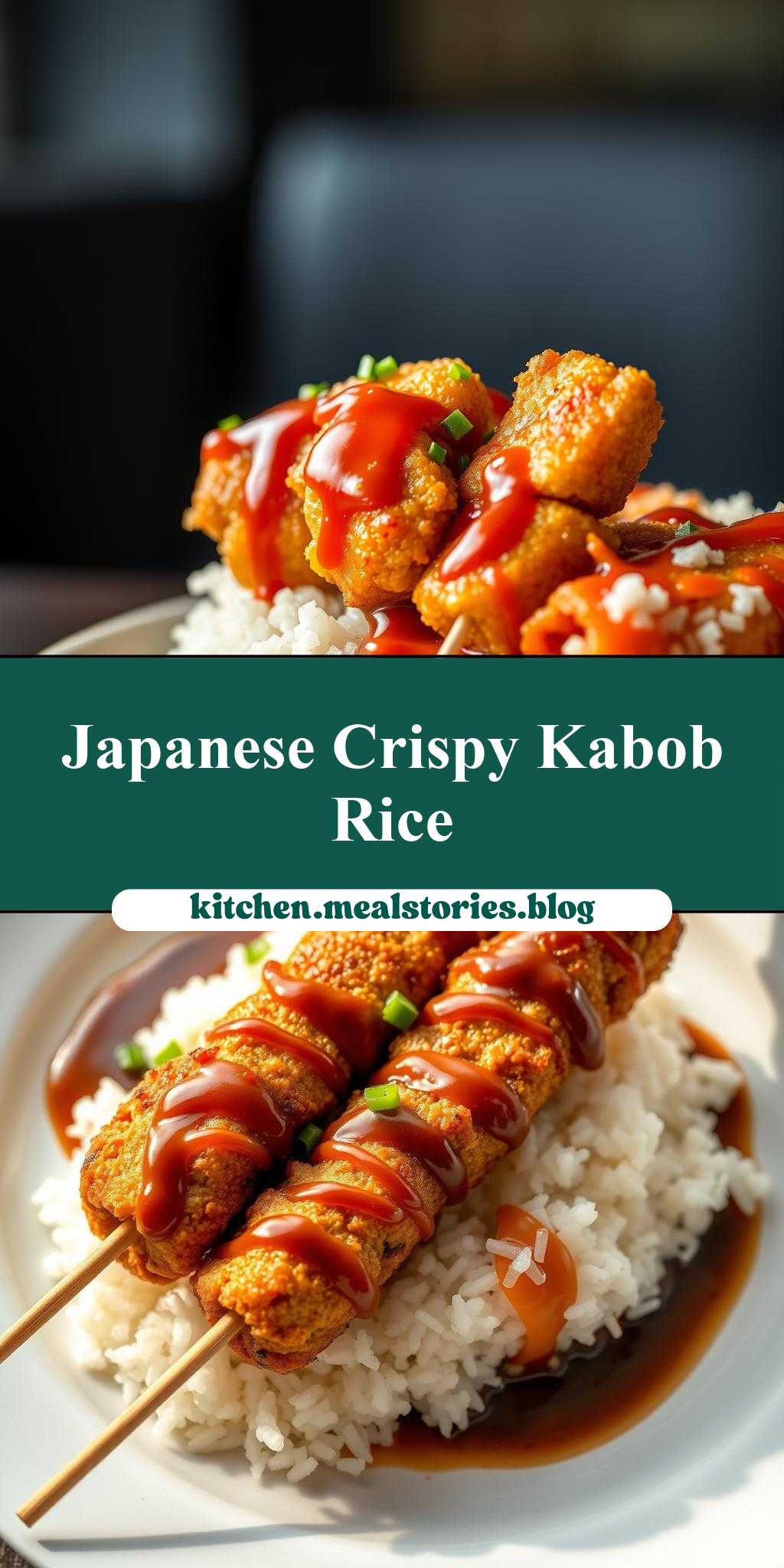
What sets your weeknight dinner apart from the usual routine? Try these incredibly easy japanese kabobs smothered in rich tonkatsu sauce and served with a side of homemade rice for a quick family favorite meal, save this idea
japanese kabobs with tonkatsu sauce and rice
Introduction
Imagine a dish that combines the simplicity of everyday ingredients with the exotic flavors of Japan, all in one delicious and easy-to-make meal. Japanese kabobs with tonkatsu sauce and rice are the perfect solution for a quick dinner or a special occasion. The combination of tender chicken or beef, crispy vegetables, and the rich flavor of tonkatsu sauce, all served over a bed of fluffy Japanese rice, is a match made in heaven. This dish is not only flavorful but also incredibly easy to prepare, making it a great option for those looking to spice up their meal routine without spending hours in the kitchen.
Why This Works
- Flavor balance and ingredient accessibility: The beauty of this dish lies in its balance of flavors and the ease of finding its ingredients. Tonkatsu sauce, a key component, can now be found in most supermarkets, making this dish accessible to anyone.
- Ease of preparation: Preparing Japanese kabobs involves minimal steps, from threading ingredients onto skewers to cooking them on a grill or in a pan. The tonkatsu sauce is typically store-bought, simplifying the process even further.
- Impressive results with minimal effort: Despite its simplicity, the presentation and taste of Japanese kabobs with tonkatsu sauce and rice are impressive, making it a great dish for entertaining guests or a special family dinner.
Key Ingredients
The main ingredients for Japanese kabobs with tonkatsu sauce and rice include chicken or beef for protein, a variety of colorful vegetables like bell peppers, onions, and mushrooms, Japanese rice, and tonkatsu sauce for flavor. For the kabobs, you can use bamboo skewers, which are readily available at most grocery stores. Tonkatsu sauce can be substituted with a homemade version made from Worcestershire sauce, soy sauce, and other condiments if needed. Japanese rice can be replaced with regular white or brown rice, though Japanese short-grain rice provides the best texture and flavor for this dish.
Instructions
- Step 1: Begin by preparing your ingredients. Cut the chicken or beef into bite-sized pieces, slice the vegetables, and cook the Japanese rice according to the package instructions. Soak the bamboo skewers in water for at least 30 minutes to prevent them from burning during cooking.
- Step 2: Thread the meat and vegetables onto the skewers, leaving a little space between each piece for even cooking. Brush the kabobs with a little oil and season with salt and pepper.
- Step 3: Cook the kabobs on a preheated grill or in a large skillet on the stovetop. If grilling, cook for about 8-10 minutes, turning occasionally, until the meat is cooked through and the vegetables are tender. If using a skillet, cook over medium-high heat, turning the kabobs frequently, for about 10-12 minutes or until done.
- Step 4: While the kabobs are cooking, heat the tonkatsu sauce in a small saucepan over low heat. Once the kabobs are done, brush them with the warmed tonkatsu sauce. Serve the kabobs over a bed of Japanese rice, garnished with sesame seeds and chopped green onions if desired.
Handy Tips
- Always soak bamboo skewers before using them to prevent burning. If you’re short on time, you can also use metal skewers as a substitute.
- Don’t overcrowd the skewers, as this can lead to uneven cooking. It’s better to cook in batches if necessary.
- For an added crunch, sprinkle some toasted sesame seeds over the dish before serving.
Heat Control
When cooking the kabobs, it’s essential to control the heat to achieve perfect doneness without burning. If grilling, medium heat is ideal. For stovetop cooking, start with medium-high heat to get a nice sear, then reduce the heat to medium to finish cooking the kabobs through. The meat is done when it reaches an internal temperature of 165°F (74°C) for chicken and 145°F (63°C) for beef. Vegetables should be tender but still crisp.
Crunch Factor
The crunch factor in this dish comes from the slightly charred exterior of the kabobs and the toasted sesame seeds used as garnish. To enhance the crunch, ensure that the vegetables are not overcooked. A bit of crunch from the vegetables, especially from the bell peppers and onions, adds texture to the dish. If desired, you can also add some crispy fried shallots on top for extra crunch.
Pro Kitchen Tricks
- Use a variety of vegetables to add color and texture to your kabobs. This not only makes the dish more appealing but also ensures a range of flavors and nutrients.
- For a homemade tonkatsu sauce, combine Worcestershire sauce, soy sauce, sake (or dry white wine), and mirin (or sugar) in a saucepan, bring to a boil, then simmer until the sauce thickens slightly.
- Let the cooked kabobs rest for a few minutes before serving. This allows the juices to redistribute, making the meat more tender and flavorful.
Storage Tips
- Leftover kabobs can be stored in an airtight container in the refrigerator for up to 3 days. Reheat them in the oven or on the stovetop until warmed through.
- Cooked Japanese rice can become dry when refrigerated. To revive it, microwave the rice with a tablespoon of water, covered with a damp paper towel, for about 20-30 seconds.
- Tonkatsu sauce can be made ahead and stored in the fridge for up to a week. Reheat it gently before use.
Gift Packaging Ideas
If you’re considering gifting Japanese kabobs with tonkatsu sauce and rice, a thoughtful presentation can make it a lovely and appreciated gift. Package the cooked kabobs in a microwave-safe container, alongside a container of warmed tonkatsu sauce and a bag of Japanese rice. Add a few garnishes like sesame seeds and chopped green onions in small packets. Include a simple instruction card on how to assemble and reheat the dish. Wrap the containers in a decorative bag or box, and finish with a ribbon and a personalized note.
Flavor Variations
- Different spices: Experiment with various spices and seasonings on your kabobs, such as garlic powder, paprika, or a Japanese blend like furikake.
- Creative toppings: In addition to sesame seeds and green onions, consider other toppings like diced mango, pickled ginger, or grated daikon for added flavor and texture.
- Ingredient swaps: Try substituting chicken with shrimp or tofu for a vegetarian option. Different types of mushrooms or bell peppers can also add unique flavors to the dish.
Troubleshooting
- Texture problems: If your kabobs become too dry, it might be due to overcooking. Adjust your cooking time and ensure you’re not overcrowding the cooking surface.
- Ingredient replacements: If you can’t find tonkatsu sauce, consider making your own or substituting with a similar savory sauce. For Japanese rice, while other types of rice can be used, they might not provide the same sticky texture.
- Over/undercooking signs: Check the internal temperature of the meat and the tenderness of the vegetables. Adjust your cooking time based on the thickness of the meat pieces and the density of the vegetables.
FAQs
- Can I freeze it? Yes, cooked kabobs can be frozen for up to 2 months. However, it’s best to freeze them without the sauce. Reheat the kabobs and then brush with tonkatsu sauce before serving.
- Is it gluten-free? Tonkatsu sauce typically contains gluten due to the Worcestershire sauce. Look for gluten-free alternatives or make your own sauce using gluten-free ingredients.
- Can I double the recipe? Yes, you can easily double or triple the recipe for larger gatherings. Just ensure you have enough cooking space and adjust the cooking time slightly if necessary.
Conclusion
Japanese kabobs with tonkatsu sauce and rice offer a delicious and easy way to experience the flavors of Japan from the comfort of your own home. With its simple preparation, impressive presentation, and flexibility in ingredients, this dish is perfect for anyone looking to spice up their meal routine. Whether you’re a seasoned cook or just starting out, this recipe is sure to become a favorite. Feel free to experiment with different ingredients and flavors to make it your own, and don’t hesitate to share your creations with friends and family.