
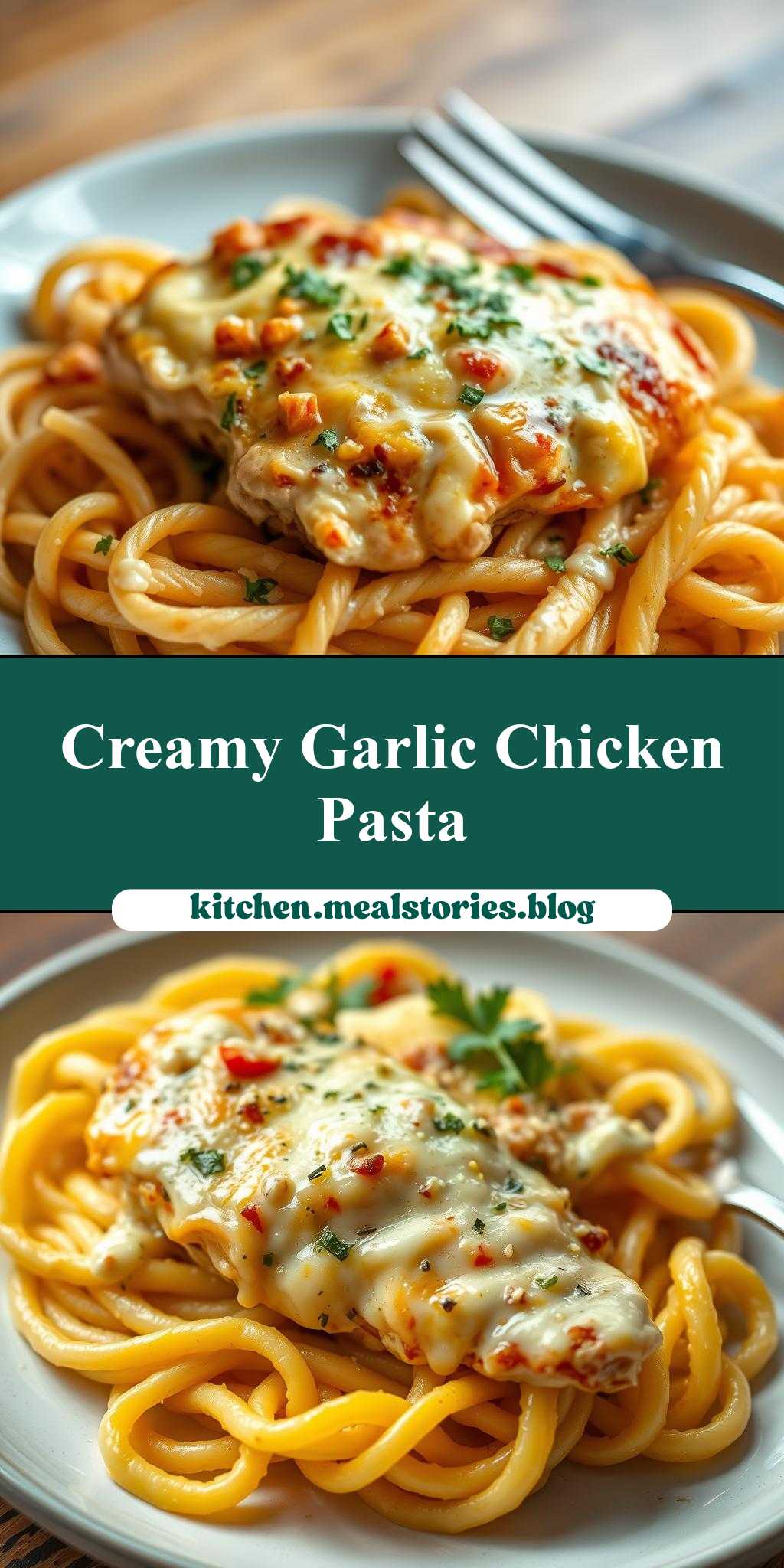
What makes the perfect weeknight dinner? For me, it’s a homemade dish like creamy garlic parmesan chicken with cheesy twisted pasta, made easy with just a few key ingredients like garlic and parmesan. This quick and satisfying family favorite is sure to become a staple, try it soon and save this idea.
Creamy Garlic Parmesan Chicken with Cheesy Twisted Pasta
Introduction
Creamy Garlic Parmesan Chicken with Cheesy Twisted Pasta is a dish that embodies the perfect blend of comfort food and gourmet flavors, all while being surprisingly accessible and easy to prepare. This recipe is a masterclass in creativity, using everyday ingredients to craft a meal that’s not only delicious but also visually appealing. Whether you’re a seasoned chef or a beginner in the kitchen, this recipe will guide you through the simple yet elegant process of creating a dish that’s sure to impress. The combination of tender chicken, flavorful garlic parmesan sauce, and the playful twist of cheesy pasta makes for a culinary experience that’s both satisfying and fun.
Why This Works
- The balance of flavors in this dish is a key factor in its success. The richness of the parmesan cheese, the depth of garlic, and the lightness of the chicken create a harmonious taste experience that’s hard to resist.
- Ease of preparation is another significant advantage. With straightforward steps and minimal special equipment required, this recipe is approachable for anyone looking to elevate their mealtime without spending hours in the kitchen.
- Despite its simplicity, the presentation and flavor profile of this dish are impressive. It’s perfect for special occasions or everyday meals when you want to add a bit of excitement to your routine.
Key Ingredients
The main ingredients for this recipe include boneless, skinless chicken breasts, garlic, parmesan cheese, pasta of your choice (though twisted pasta adds a nice visual element), olive oil, salt, pepper, and any desired vegetables (such as bell peppers or mushrooms) for added flavor and nutrition. For the cheesy sauce, you’ll need butter, all-purpose flour, milk, and of course, more parmesan cheese. Practical substitutions can be made with the vegetables and the type of pasta, allowing you to customize the dish based on your preferences and dietary needs.
Instructions
- Step 1: Begin by prepping your ingredients. Chop the garlic, slice any vegetables you’re using, and measure out your cheese and pasta. This step is crucial for a smooth and efficient cooking process.
- Step 2: Cook your pasta according to the package instructions until it’s al dente. Drain and set it aside. Meanwhile, season your chicken with salt, pepper, and any other desired herbs, then cook it in a skillet with some olive oil until it’s browned and cooked through.
- Step 3: In the same skillet (adding more oil if necessary), sauté your garlic and vegetables until they’re tender and fragrant. Then, start making your cheesy sauce by melting butter, whisking in flour to make a roux, and slowly adding milk while whisking constantly to avoid lumps. Bring the sauce to a simmer and let it cook until it thickens, then remove it from the heat and stir in parmesan cheese until melted and smooth.
- Step 4: To finalize the dish, combine your cooked pasta, the cheesy garlic sauce, and sliced or shredded cooked chicken. Mix well to combine, ensuring the pasta is well coated with the sauce and the chicken is distributed evenly. Serve hot, garnished with additional parmesan cheese and any fresh herbs you like.
Handy Tips
- One of the most helpful tips for this recipe is to not overcook the pasta or the chicken. Al dente pasta and moist, tender chicken are key to the dish’s texture and overall enjoyment.
- Also, be mindful of the heat when making the sauce. A medium heat is usually ideal for melting the cheese and preventing the sauce from breaking or becoming too thick.
- Don’t be afraid to experiment with different types of cheese or add other ingredients like spinach or cherry tomatoes to the sauce for added flavor and nutrients.
Heat Control
Heat control is crucial in several steps of this recipe. When cooking the chicken, ensure the skillet is hot but not smoking, as this can burn the outside before the inside is fully cooked. For the sauce, maintaining a medium heat helps in melting the cheese evenly and preventing lumps. Finally, when combining all elements, a gentle heat can help in warming the dish through without overcooking any component.
Crunch Factor
The crunch factor in this dish can come from a couple of sources. Firstly, slightly undercooking the vegetables retains a pleasant crunch. Secondly, adding some toasted breadcrumbs or chopped nuts on top of the pasta before serving can introduce a satisfying textural element. Lastly, ensuring the chicken is cooked to a perfect doneness, where it’s still juicy but not raw, contributes to the overall texture of the dish.
Pro Kitchen Tricks
- One expert tip is to use high-quality ingredients, especially when it comes to the parmesan cheese. Freshly grated parmesan can make a significant difference in the flavor of the dish.
- Another trick is to not overmix the sauce. Once you’ve added the cheese, stir until it’s just combined and then remove from heat to prevent the sauce from becoming too thick or sticky.
- For cleanup, having all your ingredients measured and ready to go can save time and reduce mess in the kitchen. Also, cleaning as you go, especially wiping down the counters and washing utensils immediately after use, can make the post-meal cleanup much more manageable.
Storage Tips
- This dish can be stored in the refrigerator for up to 3 days. It’s best to store the chicken, sauce, and pasta separately to maintain texture and freshness, then combine and reheat when ready to serve.
- For reheating, a gentle heat is recommended. You can use the microwave or oven, but be cautious not to overheat, which can dry out the chicken or make the pasta mushy.
- Freezing is also an option, though it’s best to freeze the components separately. The sauce and cooked pasta can be frozen for up to 2 months, while cooked chicken is best frozen for up to a month.
Gift Packaging Ideas
If you’re considering gifting this dish, perhaps for a potluck or as a care package, there are several creative ways to package it. You could use a decorative jar for the sauce, pair it with a box of pasta and some grated parmesan cheese, and include a nicely wrapped piece of cooked chicken. Adding some fresh herbs or a sprinkle of parmesan cheese on top can make it visually appealing. For a more rustic look, consider using wooden crates or woven baskets, filled with the components of the meal, along with a recipe card and some fresh bread or crackers.
Flavor Variations
- Different spices can greatly alter the flavor profile. For example, adding some dried basil or oregano can give it an Italian twist, while paprika can add a smoky depth.
- Creative toppings can also change the game. Consider adding some roasted vegetables, a sprinkle of red pepper flakes for heat, or some chopped fresh parsley for freshness.
- Ingredient swaps are another way to innovate. Using different types of cheese, such as mozzarella or feta, can change the flavor and texture of the sauce. Similarly, substituting the chicken with shrimp or tofu can cater to various dietary preferences.
Troubleshooting
- Texture problems, such as overcooked pasta or dry chicken, can often be solved by adjusting cooking times and temperatures. Ensuring you don’t overcook and that you’re using the right amount of liquid can help maintain the desired texture.
- Ingredient replacements can sometimes affect the dish’s overall balance. When substituting, consider the flavor and texture the original ingredient brings and try to match those characteristics as closely as possible with the substitute.
- Over or undercooking can be identified by checking the chicken’s internal temperature (it should be at least 165°F) and the pasta’s doneness (it should have a bit of bite or chew to it but not be hard).
FAQs
- Can I freeze it? Yes, you can freeze the components of this dish separately for later use. However, it’s best to freeze the sauce and pasta, as cooked chicken can become dry when thawed and reheated.
- Is it gluten-free? The pasta used in this recipe typically contains gluten, but there are gluten-free pasta options available that can be substituted to make the dish gluten-free. Also, be sure to check the ingredients of the sauce for any gluten-containing components.
- Can I double the recipe? Absolutely, this recipe can be easily doubled or even tripled if you’re serving a larger crowd. Just be sure to adjust the cooking time accordingly, especially for the chicken, to ensure everything is cooked through and safe to eat.
Conclusion
Creamy Garlic Parmesan Chicken with Cheesy Twisted Pasta is a versatile and delicious recipe that’s perfect for any occasion. With its rich flavors, satisfying textures, and the ease of preparation, it’s a dish that will quickly become a favorite. Don’t be afraid to experiment and make it your own, whether that’s through adding your favorite vegetables, trying different cheeses, or serving it with a side of garlic bread for a comforting meal. The beauty of cooking lies in its ability to bring people together, and this recipe, with its comforting, homemade feel, is sure to do just that. So go ahead, give it a try, and enjoy the process of creating something truly special.