
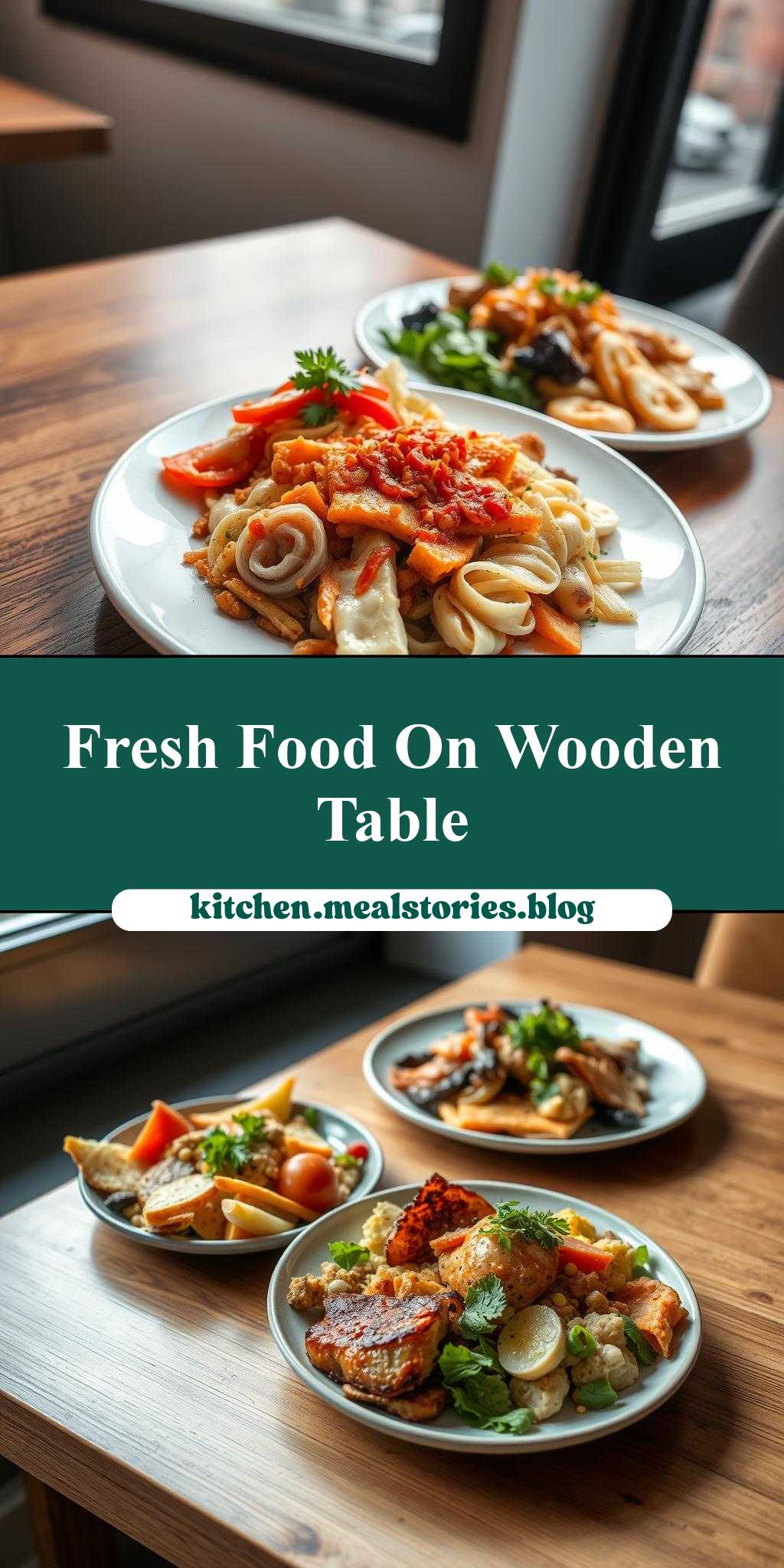
What makes a perfect weeknight dinner? A delicious homemade meal with quick and easy options like roasted chicken and fresh vegetables, all made from scratch with simple ingredients like olive oil and garlic. Save this idea for a family favorite meal that is sure to please everyone, try it soon and enjoy the flavors of a perfectly balanced dish.
Two Plates Filled with Different Types of Food on Top of a Wooden Table Next to a Window
Introduction
Imagine a setting where the warmth of a wooden table, the natural light pouring in from a window, and the vibrancy of various dishes all come together to create a culinary experience like no other. This article is about crafting not just a meal, but an atmosphere, using everyday ingredients in creative and flavorful ways. The beauty of this setup lies in its simplicity and the endless possibilities it offers, allowing you to experiment with different types of food, textures, and presentations. Whether you’re planning a cozy dinner for two or a gathering for friends and family, this concept is adaptable and sure to impress.
Why This Works
- Flavor balance and ingredient accessibility: The key to a successful and enjoyable meal is finding the right balance of flavors and using ingredients that are readily available, reducing the hassle of searching for exotic or hard-to-find items.
- Ease of preparation: The simplicity of preparation is crucial, especially for those with busy schedules. Quick and easy recipes can be just as satisfying as more complex ones, and they allow for more time to enjoy the company of others.
- Impressive results with minimal effort: Sometimes, less is more. Simple dishes can be elevated to impressive heights with minimal effort, focusing on fresh ingredients, simple cooking techniques, and creative presentation.
Key Ingredients
For this concept, the main ingredients can vary widely depending on the theme or cuisine you’re aiming for. However, some staples include a variety of fresh vegetables (such as bell peppers, carrots, and broccoli), proteins like chicken or tofu, whole grains (quinoa, brown rice, or whole wheat), and a mix of herbs and spices to add depth and flavor. Practical substitutions can be made based on dietary preferences or ingredient availability, such as swapping chicken for tofu or using gluten-free grains for those with gluten intolerance.
Instructions
- Step 1: Begin with preparation. This includes chopping vegetables, marinating proteins if necessary, and cooking grains according to package instructions. The goal is to have all components ready to be assembled.
- Step 2: Cook or mix the base ingredients. For proteins, this might involve grilling, baking, or sautéing, while vegetables can be roasted, steamed, or sautéed to retain their crunch and color. Whole grains can be seasoned for added flavor.
- Step 3: Layer flavors or textures. This is where creativity comes into play. Combining different textures (crunchy, soft, crispy) and flavors (sweet, savory, spicy) can elevate the dish. Consider adding nuts, seeds, or fresh herbs for added depth.
- Step 4: Final touches and plating. The presentation is crucial, as it sets the tone for the dining experience. Arrange the dishes on the wooden table next to the window, allowing the natural light to highlight the colors and textures of the food. Consider garnishes like lemon wedges, sprigs of rosemary, or edible flowers to add a pop of color.
Handy Tips
- One of the most helpful kitchen advices is to always taste as you go, adjusting seasoning accordingly. This ensures that the final product is balanced and flavorful. Also, consider what can be prepared ahead of time to make the assembly process smoother.
Heat Control
If heat is involved in your cooking process, understanding the ideal temperature and timing is crucial. For example, proteins should be cooked to a safe internal temperature to avoid foodborne illness, while vegetables are best cooked briefly to retain their nutrients and texture. Signs of doneness can include the color, texture, and aroma of the dish, as well as using a thermometer for precise temperature control.
Crunch Factor
Achieving the right texture, whether it’s crisp, crunchy, tender, or soft, can make or break a dish. For crunchy elements, consider adding nuts, seeds, or raw vegetables. Tender components might include slow-cooked meats or perfectly cooked grains. The key is balance, ensuring that each bite offers a variety of textures to keep the palate interested.
Pro Kitchen Tricks
- Expert tips can make all the difference in the outcome of your dish. For better results, consider using high-quality ingredients, investing in good kitchen tools, and not overcrowding your pans, which can lead to steaming instead of browning. For shortcuts, prep as much as you can ahead of time, and for cleanup hacks, line your pans with foil or parchment paper for easy disposal.
Storage Tips
- For leftovers, storage is key to maintaining freshness and safety. Use airtight, shallow containers to cool foods quickly, and refrigerate or freeze promptly. When reheating, ensure the food reaches a safe internal temperature. The shelf life of leftovers depends on the ingredients and storage conditions but generally, cooked foods can be safely stored in the fridge for 3 to 4 days or frozen for several months.
Gift Packaging Ideas
If your creation is giftable, such as a beautifully arranged plate of food or a jar of homemade preserves, consider packaging ideas that enhance the presentation. Jars with ribbons, baskets filled with goodies, or even a nicely wrapped plate can make for a thoughtful and visually appealing gift. Adding a personal touch, like a handwritten note or a small decorative element, can make it extra special.
Flavor Variations
- Different spices can completely change the flavor profile of a dish. Consider international cuisines for inspiration, such as adding cumin and chili for a Mexican flair or using soy sauce and ginger for an Asian-inspired taste.
- Creative toppings can also add variety, such as nuts, seeds, cheeses, or fresh herbs. Each adds not only flavor but also texture and visual appeal.
- Ingredient swaps are another way to mix things up. Swapping one protein for another or using different types of vegetables can keep the dish interesting and adaptable to what’s in season or on hand.
Troubleshooting
- Texture problems, such as overcooking or undercooking, can often be resolved by adjusting cooking times or methods. For example, steaming can help retain moisture, while roasting can add crispiness.
- Ingredient replacements can be necessary due to dietary restrictions or preferences. Knowing what can be substituted and how it might affect the final product is invaluable.
- Over/undercooking signs are crucial to recognize. Paying attention to color, texture, and aroma can help determine doneness, and using tools like thermometers can provide precise measurements.
FAQs
- Can I freeze it? Yes, many components of this dish can be frozen, such as cooked proteins, grains, and some vegetables, though freezing can affect texture and consistency.
- Is it gluten-free? Depending on the ingredients used, this dish can be adapted to be gluten-free by using gluten-free grains and being mindful of cross-contamination.
- Can I double the recipe? Absolutely, this dish is highly scalable. Simply multiply the ingredients and adjust cooking times as necessary to accommodate the increased quantity.
Conclusion
In conclusion, creating a culinary experience with two plates filled with different types of food on a wooden table next to a window is all about balance, creativity, and simplicity. By focusing on accessible ingredients, easy preparation methods, and impressive presentation, you can craft a meal that is not only delicious but also visually stunning. Don’t be afraid to experiment with flavors, textures, and ingredients to make the dish your own, and enjoy the process of sharing this experience with others.