
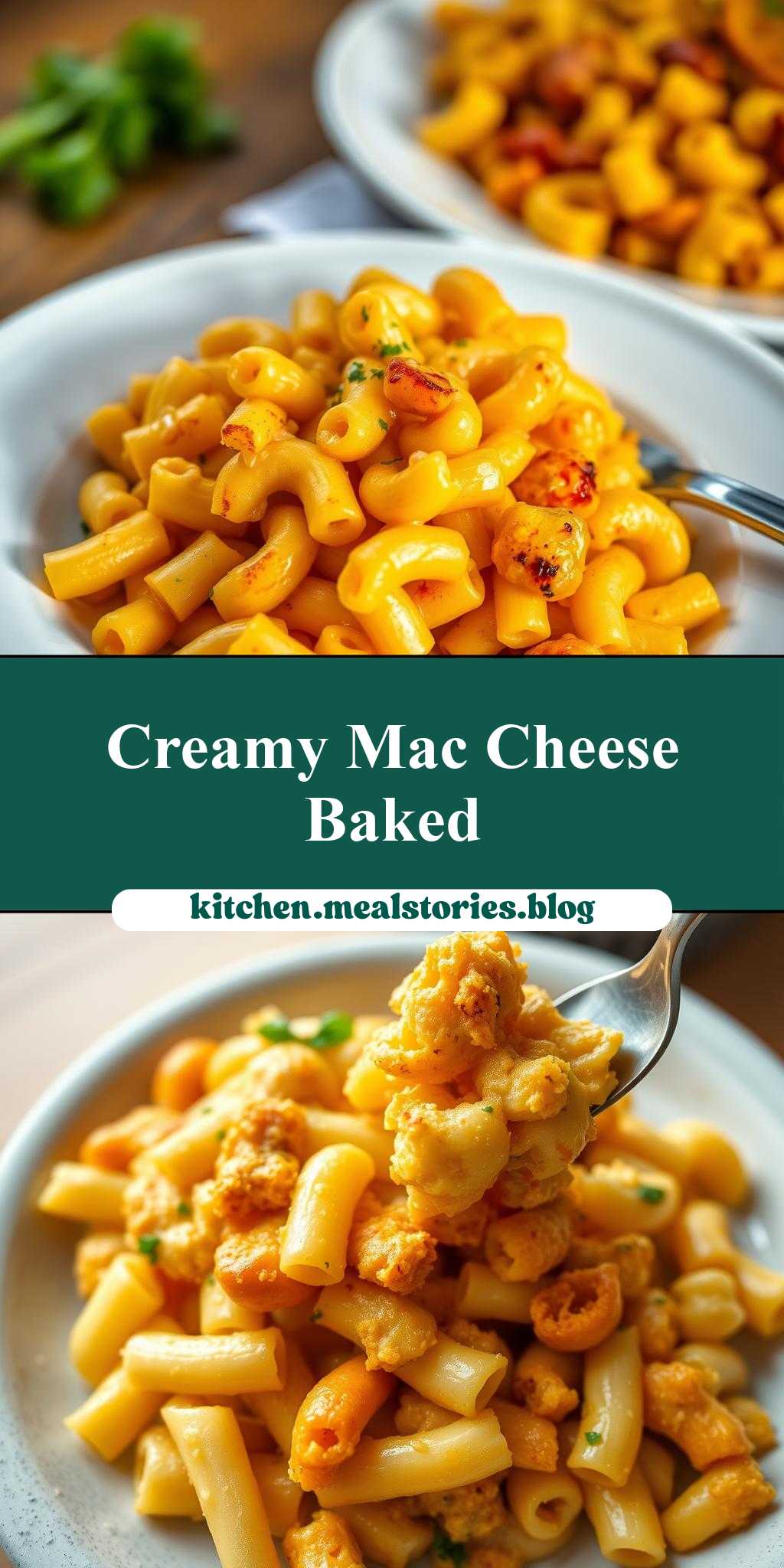
What makes the perfect macaroni and cheese – is it the type of pasta or the creamy sauce? Discover your new favorite homemade weeknight dinner with a simple mix of sharp cheddar and al dente macaroni. Try baking to a golden brown for an easy family favorite, save this idea for a cozy night in.
two pictures with different types of macaroni and cheese
Introduction
Imagine a dish so comforting, it warms the heart as much as it satisfies the palate. Macaroni and cheese, a classic comfort food, is a staple in many cuisines around the world. Its beauty lies not only in its rich, creamy flavor but also in its versatility and ease of preparation. With just a few everyday ingredients, you can create a masterpiece that is both a delight to the senses and a testament to your creativity in the kitchen. Whether you’re a seasoned chef or a beginner cook, macaroni and cheese offers a canvas waiting for your personal touch, from the type of pasta you choose to the variety of cheeses you blend. In this article, we’ll delve into the world of macaroni and cheese, exploring not one, but two distinct recipes that will elevate this beloved dish to new heights.
Why This Works
- Flavor balance and ingredient accessibility: The key to a great macaroni and cheese lies in achieving a perfect balance of flavors, which is easily attainable with common ingredients found in most supermarkets.
- Ease of preparation: Despite its rich and complex taste, macaroni and cheese is surprisingly easy to prepare, making it an ideal dish for both weeknight dinners and special occasions.
- Impressive results with minimal effort: With a few simple steps, you can transform basic ingredients into a dish that is sure to impress, whether it’s a family gathering or a casual dinner with friends.
Key Ingredients
The foundation of a great macaroni and cheese starts with the pasta itself. For our two recipes, we’ll be using elbow macaroni for one, providing a classic, comforting texture, and shells (conchiglie) for the other, which will add a delightful twist with its ability to hold onto the cheesy sauce. The cheese blend is where the magic happens, with options ranging from sharp cheddar for a bold flavor, creamy mozzarella for a smooth texture, and parmesan for a salty, nutty taste. Practical substitutions can include using different types of pasta or experimenting with various cheese combinations to find your perfect blend. Additionally, ingredients like milk, butter, and flour will be used to create a rich and creamy sauce.
Instructions
- Step 1: Begin by preheating your oven to 375°F (190°C). While that’s warming up, cook your chosen pasta according to the package instructions until it’s al dente, then set it aside.
- Step 2: In a large saucepan, melt butter over medium heat. Add flour to make a roux, whisking continuously for about 1 minute. Slowly pour in milk, whisking until the sauce thickens. Remove from heat and stir in your cheese blend until fully incorporated and smooth.
- Step 3: In a large mixing bowl, combine the cooked pasta and cheese sauce. Mix well to ensure the pasta is evenly coated. For added flavor, you can introduce other ingredients at this stage, such as cooked bacon, ham, or vegetables.
- Step 4: Transfer the pasta mixture to a baking dish, top with additional cheese and any desired toppings (like crispy breadcrumbs or more grated cheese), and bake in the preheated oven for about 20-25 minutes, or until the top is golden brown and the macaroni and cheese is heated through.
Handy Tips
- For an extra creamy sauce, consider adding a splash of heavy cream or half-and-half. If you’re looking for a lighter version, you can use less cheese or substitute some of it with nutritional yeast for a cheesy flavor without the dairy.
- Avoid overcooking the pasta, as it will continue to cook a bit in the oven. Also, be mindful of the cheese’s melting point to achieve the perfect, gooey texture without burning.
Heat Control
Heat control is crucial, especially when making the cheese sauce. Medium heat is ideal for melting the butter and cooking the flour without burning. When adding the milk, whisk constantly to prevent lumps from forming. For baking, a temperature of 375°F (190°C) ensures that the top layer is nicely browned while the interior remains creamy and hot throughout.
Crunch Factor
A satisfying crunch can elevate your macaroni and cheese from comforting to decadent. Achieve this by topping your dish with crispy breadcrumbs before baking. Alternatively, a sprinkle of crispy, crumbled bacon or toasted nuts can add a delightful textural contrast to each bite.
Pro Kitchen Tricks
- For a golden, caramelized top without overcooking the pasta, broil the macaroni and cheese for a couple of minutes after baking. Keep a close eye to avoid burning.
- Experiment with spices and seasonings to give your macaroni and cheese a unique twist. Paprika, garlic powder, or a pinch of cayenne pepper can add depth and excitement to this classic dish.
Storage Tips
- Leftover macaroni and cheese can be stored in the refrigerator for up to 3 days. Reheat it in the oven or microwave until warmed through. For longer storage, consider freezing it before baking, then thaw and bake as needed.
- When reheating, adding a splash of milk can help restore the creamy texture. Use airtight, microwave-safe containers for convenient reheating and to preserve freshness.
Gift Packaging Ideas
If you’re considering gifting your macaroni and cheese, perhaps for a potluck or as a care package, presentation is key. Transfer the dish to a decorative baking dish or individual portions in ramekins. Wrap each dish in plastic wrap or aluminum foil and tie with a ribbon. Include a card with reheating instructions for a thoughtful touch.
Flavor Variations
- Different spices: Introduce smoked paprika for a smoky flavor, or chili flakes for a spicy kick.
- Creative toppings: Try roasted vegetables, caramelized onions, or a dollop of sour cream to add freshness and depth.
- Ingredient swaps: Substitute some of the cheese with vegan alternatives for a dairy-free version, or use gluten-free pasta for guests with dietary restrictions.
Troubleshooting
- Texture problems: If the sauce is too thick, add a bit more milk. If it’s too thin, simmer it for a few minutes to reduce.
- Ingredient replacements: Don’t have a particular type of cheese? Experiment with combinations of what you have on hand. The key is finding a balance of flavors.
- Over/undercooking signs: Pasta should be al dente before baking. The dish is done when the top is golden and the macaroni and cheese is hot and creamy throughout.
FAQs
- Can I freeze it? Yes, you can freeze macaroni and cheese before or after baking. It’s best to freeze it before baking for the best results.
- Is it gluten-free? Traditional macaroni and cheese is not gluten-free due to the pasta and possibly the flour used in the roux. However, you can make it gluten-free by using gluten-free pasta and ensuring your cheese and any added ingredients are gluten-free.
- Can I double the recipe? Absolutely, just keep in mind that you may need to adjust the baking time slightly if you’re making a larger batch.
Conclusion
Macaroni and cheese is more than just a comfort food; it’s a versatile canvas waiting for your creativity. Whether you’re in the mood for something classic and comforting or adventurous and new, this dish can be tailored to suit any taste. Don’t be afraid to experiment with different types of pasta, cheeses, and toppings to make it your own. Share your creations with friends and family, and enjoy the process of cooking and the joy of sharing a delicious meal together. Happy cooking!