
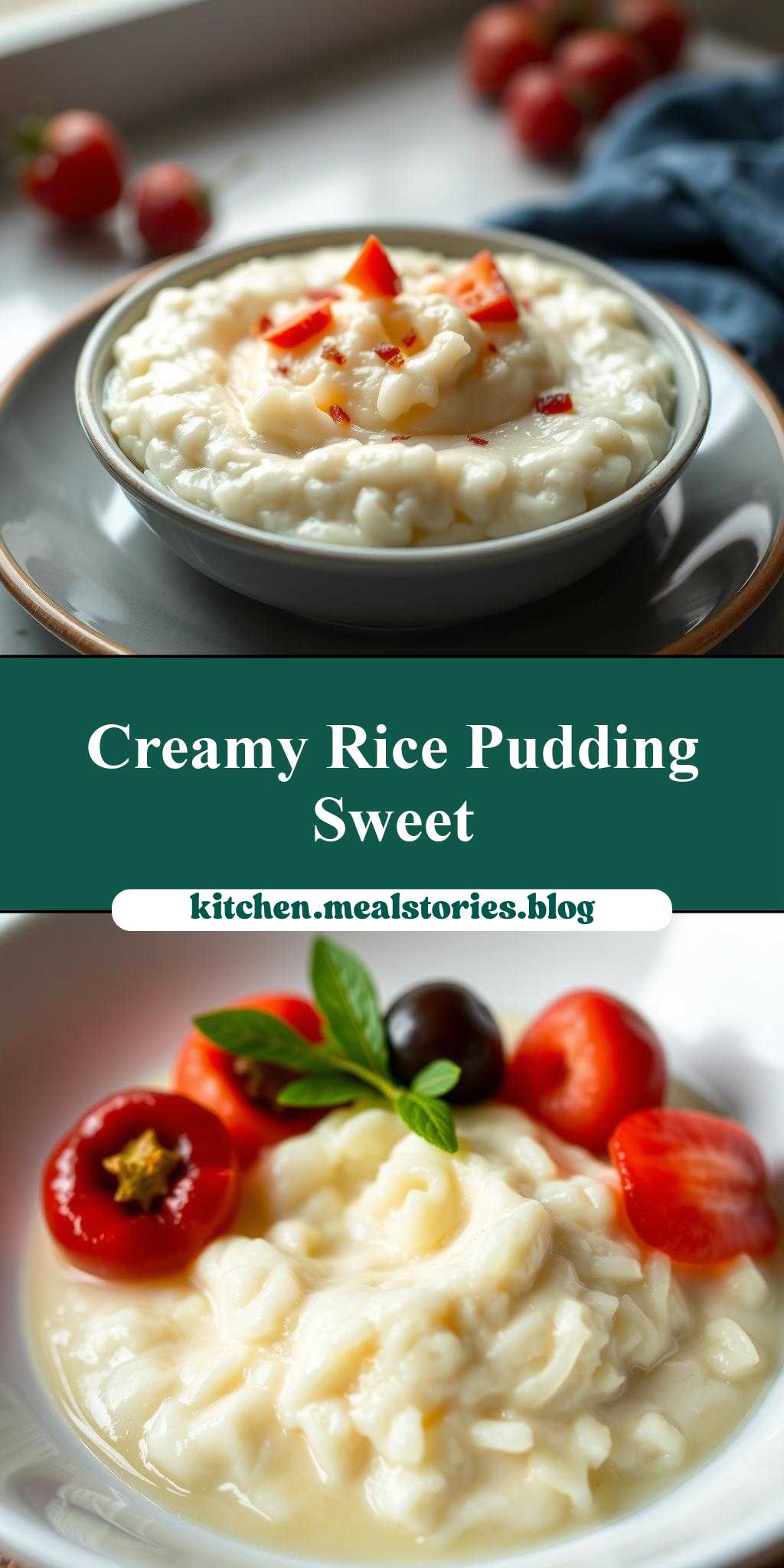
What makes a warm bowl of creamy rice pudding so irresistible on a chilly evening? This easy homemade dessert is made with aromatic cinnamon and plump raisins, perfect for a quick weeknight treat. Save this idea for a comforting family favorite to enjoy later.
this is an image of creamy rice pudding
Introduction
Creamy rice pudding is a dish that embodies comfort and warmth, perfect for any time of the year. What makes it truly special is how easily it can be prepared using everyday ingredients, making it a staple in many cuisines around the world. The beauty of this recipe lies in its simplicity, flavor balance, and the creativity it allows for. Whether you’re looking for a dessert, a snack, or even a unique breakfast option, creamy rice pudding is an excellent choice. It’s a versatile dish that can be flavored and textured in numerous ways, ensuring that it never gets old. In this article, we’ll delve into the world of creamy rice pudding, exploring what makes it tick, how to prepare it with ease, and the countless ways you can make it your own.
Why This Works
- Flavor balance and ingredient accessibility: The combination of rice, milk, and sugar provides a perfect balance of flavors that can be easily enhanced with spices and other ingredients. Moreover, these ingredients are readily available in most kitchens, making it accessible to everyone.
- Ease of preparation: The process of making creamy rice pudding is straightforward and requires minimal cooking skills. It’s essentially about cooking the rice in milk with added flavors, which makes it hard to go wrong.
- Impressive results with minimal effort: Despite its simplicity, the end result is impressive. The creamy texture and the depth of flavor achieved with such minimal effort překvapí even the most skeptical of cooks.
Key Ingredients
The foundation of creamy rice pudding consists of a few key ingredients: short-grain rice (such as Arborio), whole milk, sugar, and a pinch of salt. These ingredients provide the base flavor and texture. For added flavor, vanilla extract or a cinnamon stick can be used. Practical substitutions include using other types of milk for those with dairy intolerance or preferences, such as almond, soy, or coconut milk, though this may slightly alter the flavor and texture. Additionally, different types of sugar or sweeteners can be used to cater to various tastes and dietary needs.
Instructions
- Step 1: Begin by cooking the rice according to the package instructions. Typically, it’s a 2:1 ratio of water to rice. However, for rice pudding, you’ll be using milk instead of water, which will be added in the next steps.
- Step 2: In a medium saucepan, combine 2 cups of milk, 1/4 cup of sugar, and a pinch of salt. Heat the mixture over medium heat, stirring occasionally, until the sugar has dissolved and the milk is hot but not boiling.
- Step 3: Add 1/2 cup of cooked rice to the milk mixture. Reduce the heat to low and cook, covered, stirring frequently, until the mixture has thickened and the rice is very creamy, about 18-20 minutes. You can add flavorings like vanilla extract or cinnamon during this step.
- Step 4: Remove the pudding from the heat and let it cool slightly. You can serve it warm or chilled, depending on your preference. For a chilled version, cover the pudding and refrigerate it for at least 2 hours. Before serving, you can top it with your choice of fruits, nuts, or spices to add texture and flavor.
Handy Tips
- Using the right type of rice is crucial. Short-grain rice varieties like Arborio are best because they are high in starch, which contributes to the creamy texture of the pudding.
- Constant stirring, especially when the rice is added to the milk, is important to prevent the rice from sticking to the bottom of the pan and to ensure even cooking.
- For a creamier pudding, you can add a tablespoon or two of heavy cream or half-and-half towards the end of the cooking time.
Heat Control
Maintaining the right heat is essential for creamy rice pudding. The milk should be heated until it’s hot and steaming but not boiling. Once the rice is added, reducing the heat to low helps in preventing the milk from boiling over and ensures that the rice cooks slowly and absorbs the milk evenly. The ideal temperature for cooking the rice in milk is around 180°F to 190°F (82°C to 88°C), which is just below the boiling point of milk.
Crunch Factor
The texture of creamy rice pudding should be smooth and creamy. However, adding a crunch factor with toppings such as toasted nuts (almonds, walnuts), seeds (chia, flax), or even candy pieces can provide a delightful contrast in texture. Fresh fruits like raspberries, strawberries, or blueberries can also add a pop of flavor and texture.
Pro Kitchen Tricks
- For an extra creamy pudding, cook the rice in a combination of milk and cream, or add a little bit of butter at the end of cooking.
- Infuse your pudding with unique flavors by using different extracts like almond, coconut, or orange.
- Cooking the rice pudding in a double boiler can help prevent the milk from scorching and give a smoother texture.
Storage Tips
- Cool the pudding to room temperature before refrigerating it to prevent condensation, which can make the pudding watery.
- Use an airtight container to store the pudding in the refrigerator. It can be stored for up to 3 days.
- For longer storage, the pudding can be frozen. Transfer it to an airtight, freezer-safe container or ziplock bag and store for up to 2 months. Thaw overnight in the fridge before serving.
Gift Packaging Ideas
Creamy rice pudding can be a thoughtful gift, especially when packaged in decorative jars or containers. Consider topping the pudding with a layer of fruit or nuts before sealing the jar for added visual appeal. You can also include a packet of spices or a note with suggestions for additional toppings or flavorings. Wrap the jar in a cloth or paper bag and tie with a ribbon for a charming, homemade gift.
Flavor Variations
- Different spices: Cinnamon, nutmeg, and cardamom are popular choices, but you can also experiment with ginger, cloves, or star anise for unique flavors.
- Creative toppings: Beyond the usual fruits and nuts, you can top your pudding with caramel sauce, chocolate shavings, or even candy pieces for a fun twist.
- Ingredient swaps: Using coconut milk instead of regular milk gives a creamy and rich pudding with a distinct flavor. You can also experiment with brown sugar or honey for a different sweetness profile.
Troubleshooting
- Texture problems: If the pudding turns out too thick, you can thin it with a little milk. If it’s too thin, cooking it for a few more minutes can help thicken it.
- Ingredient replacements: Always consider the flavor and texture that the replacement ingredient will add. For example, using almond milk will result in a lighter pudding compared to using whole milk.
- Over/undercooking signs: Undercooked pudding will be too liquidy and may still have a raw rice taste. Overcooked pudding will be too thick and possibly dry. Adjust the cooking time based on the type of rice and milk you’re using.
FAQs
- Can I freeze it? Yes, you can freeze creamy rice pudding for up to 2 months. It’s best to freeze it in an airtight container or ziplock bag and thaw it overnight in the fridge when you’re ready to serve.
- Is it gluten-free? Yes, creamy rice pudding is naturally gluten-free, making it a great option for those with gluten intolerance or sensitivity.
- Can I double the recipe? Yes, you can easily double or triple the recipe if you’re serving a larger crowd. Just keep an eye on the cooking time, as larger quantities may take longer to cook.
Conclusion
Creamy rice pudding is a dish that offers endless possibilities for creativity and customization. Its simplicity belies the depth of flavor and texture it can achieve, making it a favorite among both beginners and seasoned cooks. Whether you’re looking for a comforting dessert, a healthy snack, or a unique breakfast idea, creamy rice pudding fits the bill. Experiment with different flavors, toppings, and ingredients to make it your own, and don’t hesitate to share your creations with friends and family. The joy of cooking lies not just in the eating, but in the sharing and the love that goes into every dish.