
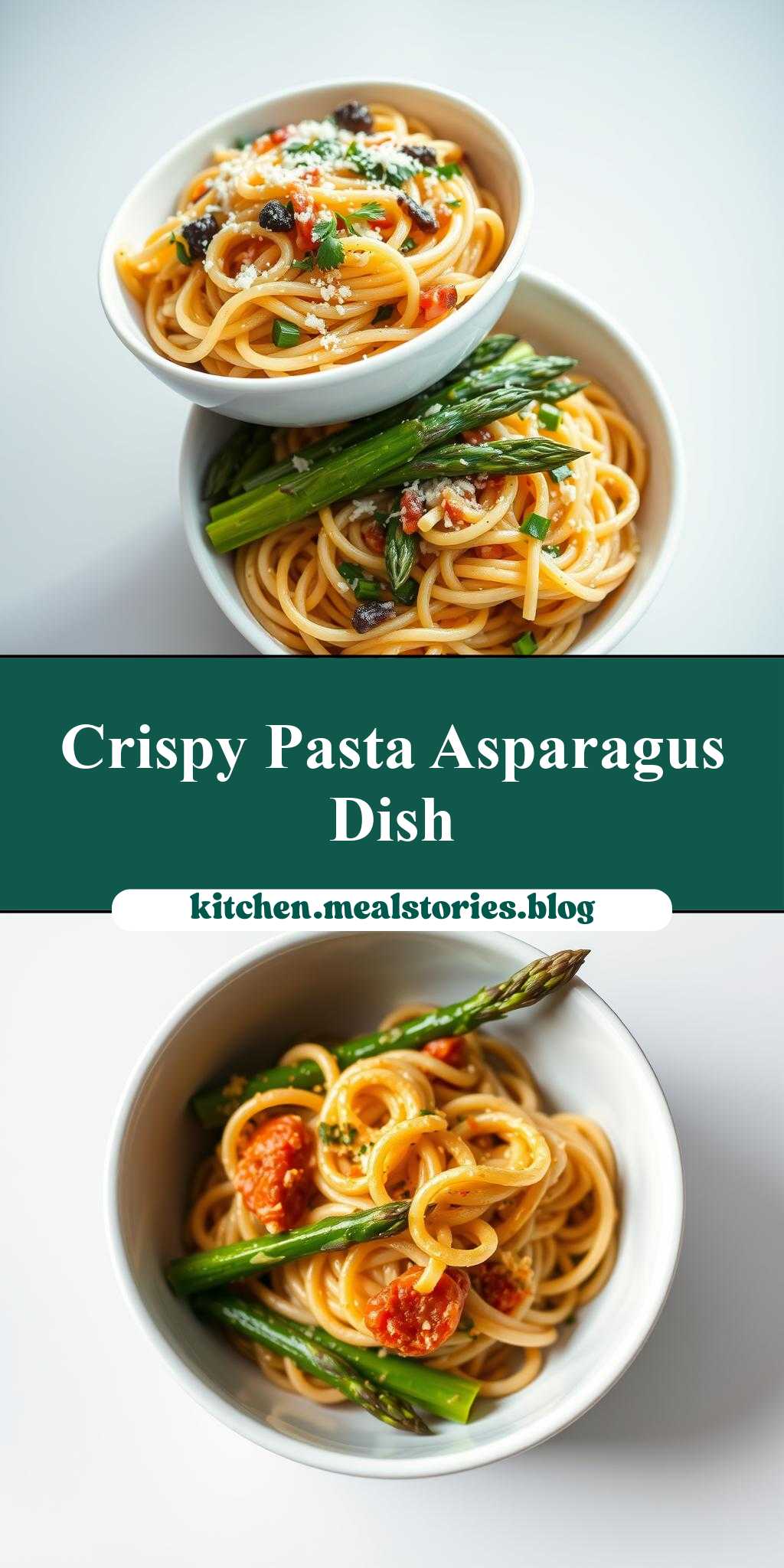
What makes a perfect weeknight dinner? A delicious homemade pasta dish loaded with tender asparagus and made easy with quick cooking methods. Fresh asparagus adds a nice twist to this family favorite, try sautéing it with garlic for added flavor. Save this idea for a simple and satisfying meal solution.
Two White Bowls Filled with Pasta and Asparagus on Top of Each Other
Introduction
Imagine a dish so simple, yet so elegant, that it can be served at both casual gatherings and formal dinners. A dish that combines the comfort of pasta with the freshness of asparagus, all presented in a visually appealing way. This recipe for two white bowls filled with pasta and asparagus on top of each other is not just about the taste; it’s about the experience. It’s about creating something beautiful with everyday ingredients, with minimal effort, and enjoying the process as much as the result. Whether you’re a seasoned chef or a beginner in the kitchen, this recipe is perfect for anyone looking to impress without stressing.
Why This Works
- Flavor balance and ingredient accessibility: The combination of pasta, asparagus, and a light sauce creates a perfect balance of flavors that is both satisfying and refreshing. The ingredients are easily accessible in most supermarkets, making this dish convenient to prepare.
- Ease of preparation: The steps involved in preparing this dish are straightforward and simple, requiring no special cooking techniques or equipment. This makes it perfect for a quick weeknight dinner or a leisurely weekend meal.
- Impressive results with minimal effort: The presentation of the dish, with two white bowls stacked on top of each other, filled with pasta and asparagus, is sure to impress your guests. Despite its elegant appearance, the dish requires minimal effort to prepare, making it a great choice for special occasions or everyday meals.
Key Ingredients
The main ingredients for this recipe include pasta of your choice (linguine or fettuccine work well), fresh asparagus, olive oil, garlic, lemon juice, salt, pepper, and grated Parmesan cheese. For the sauce, you can use a store-bought light cream sauce or make your own by mixing heavy cream with Parmesan cheese and a pinch of nutmeg. Practical substitutions include using other types of long, thin pasta, frozen asparagus (thawed), and different types of cheese like mozzarella or ricotta for a lighter flavor.
Instructions
- Step 1: Begin by preparing your ingredients. Chop the garlic, trim the asparagus to uniform lengths, and grate the Parmesan cheese. Measure out the pasta, olive oil, lemon juice, salt, and pepper.
- Step 2: Cook the pasta according to the package instructions until it’s al dente. Drain and set aside. In a large skillet, heat the olive oil over medium heat. Add the chopped garlic and sauté for about 1 minute until fragrant. Add the asparagus and cook until it starts to soften, about 3-4 minutes. Season with salt, pepper, and a squeeze of lemon juice.
- Step 3: To make the sauce, combine the heavy cream, Parmesan cheese, and a pinch of nutmeg in a small saucepan. Heat over low heat, stirring constantly, until the cheese is melted and the sauce is smooth. Combine the cooked pasta, asparagus mixture, and the cream sauce. Toss everything together until the pasta is well coated.
- Step 4: For the final touches, divide the pasta mixture between two white bowls. You can add some extra grated Parmesan cheese on top and a sprinkle of parsley for color. To achieve the stacked effect, place one bowl on a flat surface and carefully position the second bowl on top of the first, ensuring they are centered and stable.
Handy Tips
- When cooking the pasta, make sure to salt the water generously, as this will enhance the flavor of the pasta. Also, reserve some of the pasta water before draining, as it can be used to thin out the sauce if needed.
- For the asparagus, choose fresh spears with tight buds for the best flavor and texture. If using frozen asparagus, make sure to pat it dry with a paper towel after thawing to remove excess moisture before cooking.
- Avoid overcooking the pasta and asparagus, as this can lead to a mushy texture. Al dente pasta and slightly tender asparagus will provide the best contrast in textures.
Heat Control
When heating the olive oil and cooking the garlic and asparagus, it’s essential to maintain a medium heat to prevent burning. The ideal temperature for heating the cream sauce is low, ensuring that the cheese melts smoothly and the sauce doesn’t boil. For doneness, check that the asparagus is slightly tender but still crisp, and the pasta is al dente, with a bit of bite to it.
Crunch Factor
The crunch factor in this dish comes from the slightly undercooked asparagus and the toasted garlic. To achieve the perfect crunch, cook the asparagus until it starts to soften but still retains some of its crispiness. For the garlic, sauté it until fragrant but not burnt, as this will add a deep, nutty flavor to the dish.
Pro Kitchen Tricks
- One expert tip is to prepare the components of the dish separately and then combine them. This ensures that each element is cooked to perfection and allows for better control over the final product.
- Using high-quality ingredients, such as fresh asparagus and real Parmesan cheese, can elevate the dish significantly. Don’t skip on the quality of the ingredients, as this will be reflected in the taste and presentation of the final dish.
- For cleanup, prepare a bowl of soapy water to soak utensils and pots as you go, making the cleaning process much easier and less overwhelming after the meal is prepared.
Storage Tips
- For leftover storage, it’s best to keep the pasta, asparagus, and sauce separate to prevent the pasta from becoming soggy. Store each component in airtight containers in the refrigerator for up to 3 days.
- Reheating can be done by combining the components and heating them gently over low heat, adding some reserved pasta water if the sauce seems too thick. Avoid overheating, as this can cause the sauce to break or the asparagus to become mushy.
- The shelf life of the dish is 3 days when stored properly in the refrigerator. It’s not recommended to freeze this dish, as the texture of the pasta and asparagus may not hold up well to freezing and reheating.
Gift Packaging Ideas
If you’re considering gifting this dish, it’s best to prepare the components separately and package them in decorative containers or jars. Use ribbons or decorative twine to add a personal touch, and include a card with reheating instructions. This dish can also be gifted in the form of a gift basket filled with the ingredients needed to prepare it, along with a recipe card and a bottle of wine or olive oil.
Flavor Variations
- Different spices: Consider adding some red pepper flakes for a spicy kick, or some dried basil for an Italian twist.
- Creative toppings: Add some toasted pine nuts or almonds for crunch, or some diced cherry tomatoes for a burst of freshness.
- Ingredient swaps: Swap the heavy cream with a non-dairy alternative for a vegan version, or use gluten-free pasta for a gluten-free option.
Troubleshooting
- Texture problems: If the pasta becomes too soggy, try adding less sauce or reserving more pasta water to achieve the right consistency. If the asparagus is too crunchy, cook it for a few more minutes until it reaches the desired tenderness.
- Ingredient replacements: If you can’t find fresh asparagus, consider using frozen or canned as a substitute. For the Parmesan cheese, other hard cheeses like Pecorino or Romano can be used as alternatives.
- Over/undercooking signs: Check the pasta for doneness by biting into it; it should have a bit of bite but not be hard. The asparagus is done when it’s slightly tender but still crisp. Avoid overcooking, as this can lead to an unappealing texture.
FAQs
- Can I freeze it? It’s not recommended to freeze this dish, as the texture of the pasta and asparagus may not hold up well to freezing and reheating.
- Is it gluten-free? The dish can be made gluten-free by using gluten-free pasta. However, be sure to check the ingredients of the sauce and any additional toppings to ensure they are also gluten-free.
- Can I double the recipe? Yes, the recipe can be easily doubled or tripled to serve a larger crowd. Just be sure to adjust the cooking time accordingly, especially when cooking the pasta and asparagus.
Conclusion
This recipe for two white bowls filled with pasta and asparagus on top of each other is a testament to the beauty of simplicity in cooking. With its elegant presentation and delicious flavors, it’s perfect for any occasion. Remember, the key to this dish is in the details – the quality of the ingredients, the balance of flavors, and the care in preparation. Don’t be afraid to experiment and make it your own, and most importantly, enjoy the process and the company of those you share it with.