
What sets your favorite potato dish apart from the rest? For me, it’s all about the combination of creamy homemade flavor and easy preparation, perfect for a weeknight dinner. Boiled or roasted, potatoes are a staple ingredient in many family favorite recipes. Save this idea for a deliciously simple meal inspiration to try soon
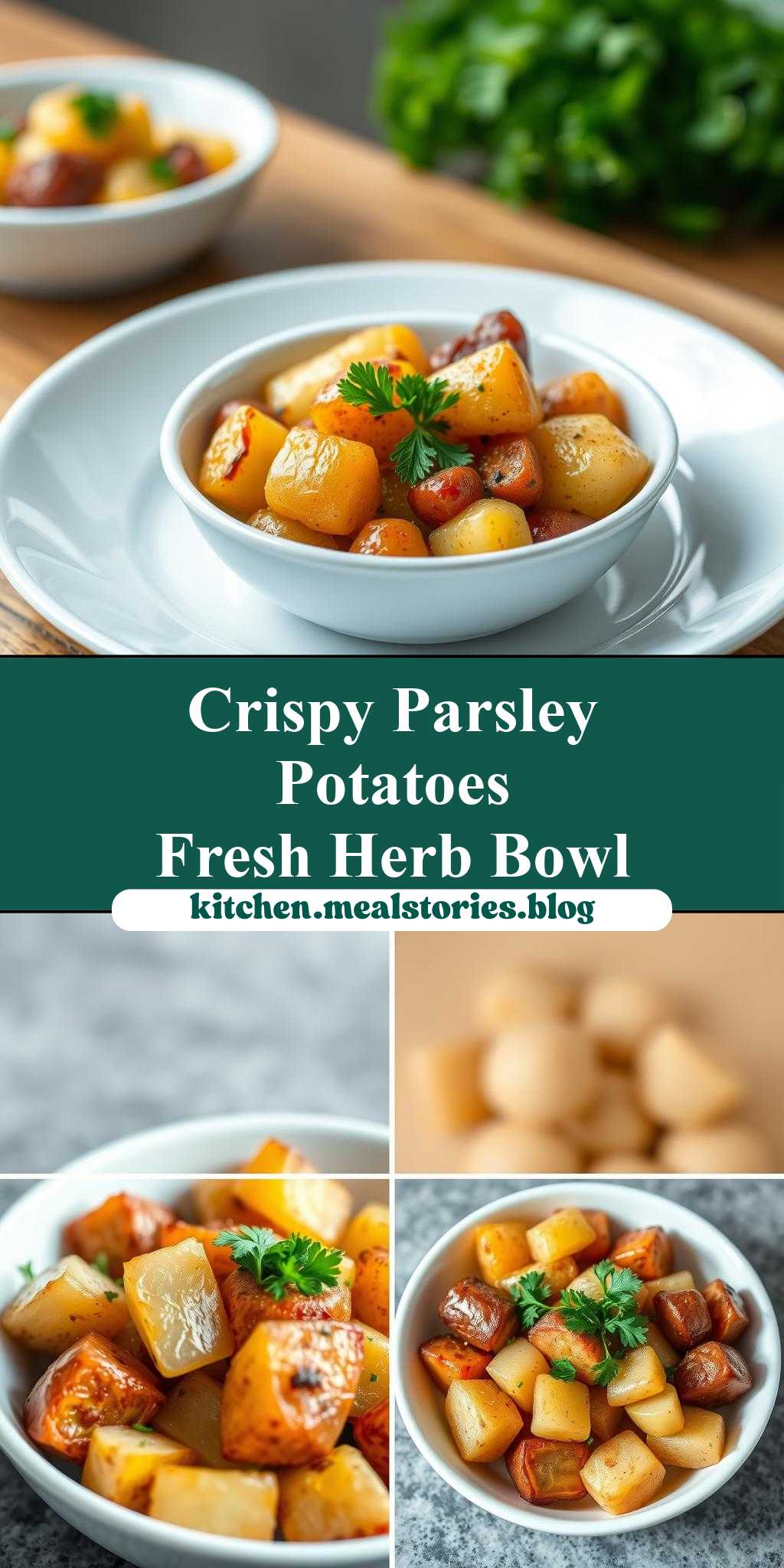
two images showing different types of potatoes in a white bowl with parsley on top
Introduction
Imagine a dish that embodies the essence of simplicity, flavor, and creativity, all while utilizing everyday ingredients that are easily accessible. The combination of different types of potatoes, beautifully arranged in a white bowl and garnished with a sprinkle of fresh parsley, is not just visually appealing but also a testament to the versatility of potatoes. This recipe celebrates the humble potato in all its forms, whether you’re using the creamy texture of Yukon Golds, the earthy sweetness of sweet potatoes, or the classic appeal of Russet potatoes. With minimal effort, you can create a masterpiece that’s perfect for any occasion, from casual gatherings to special events. The best part? It’s incredibly easy to prepare, making it a go-to for both beginners and seasoned cooks alike.
Why This Works
- Flavor balance and ingredient accessibility: The beauty of this dish lies in its ability to balance flavors using ingredients that are readily available in most kitchens. Potatoes, olive oil, salt, and parsley are staples that, when combined, create a harmonious taste experience.
- Ease of preparation: The preparation process is straightforward and quick, involving boiling or baking potatoes and then arranging them in a bowl. This simplicity makes it an ideal option for those short on time or looking for a hassle-free culinary experience.
- Impressive results with minimal effort: Despite the minimal effort required, the presentation of this dish is impressive. The contrast between the white bowl, the vibrant green of the parsley, and the varied colors of the potatoes creates a visually stunning arrangement that is sure to impress guests.
Key Ingredients
The main ingredients in this recipe are different types of potatoes (such as Russet, Yukon Gold, and sweet potatoes), fresh parsley, olive oil, salt, and optional garlic or lemon for added flavor. Each type of potato brings its unique texture and flavor to the dish, making it interesting and dynamic. For practical substitutions, you can use any combination of potato varieties you have on hand, and if parsley is not available, other fresh herbs like dill or chives can be used as alternatives.
Instructions
- Step 1: Begin by washing and peeling the potatoes. Cut them into similar-sized pieces to ensure even cooking. If using sweet potatoes, you may choose to leave the skin on for added texture and nutrition.
- Step 2: Boil or bake the potatoes until they are tender. Boiling is quicker and requires less monitoring, while baking brings out a deeper, sweeter flavor in the potatoes. If boiling, place the potatoes in a large pot, cover them with cold water, bring to a boil, and then reduce the heat to simmer for about 10-15 minutes, or until they are easily pierced with a fork. For baking, preheat your oven to 400°F (200°C), place the potatoes on a baking sheet lined with parchment paper, drizzle with a bit of olive oil, and bake for about 20-25 minutes, or until they are tender when pierced with a fork.
- Step 3: While the potatoes are cooking, prepare the parsley. Rinse it with cold water, pat it dry with a paper towel, and chop it finely. You can also prepare any additional flavorings you might want, such as mincing garlic or squeezing a bit of lemon juice.
- Step 4: Once the potatoes are done, let them cool slightly if they were boiled, or remove them from the oven. Arrange the potatoes in a white bowl in a visually appealing way, considering the colors and textures of the different types. Sprinkle the chopped parsley over the top, and if desired, add a sprinkle of salt, a drizzle of olive oil, or any other prepared flavorings.
Handy Tips
- For an extra burst of flavor, consider roasting the potatoes instead of boiling. Simply cut them into your desired shape, toss with olive oil, salt, and any other seasonings you like, and roast in the oven at 425°F (220°C) for about 20-25 minutes, or until crispy on the outside and tender on the inside.
- If you find that your potatoes are becoming too sticky or starchy while boiling, try adding a tablespoon of white vinegar to the water. This can help reduce the starchiness and result in a better texture.
- Experiment with different herbs and spices to find the combination that you enjoy the most. Potatoes are a versatile canvas that can be paired with a wide range of flavors, from classic rosemary and garlic to more adventurous options like smoked paprika or chili powder.
Heat Control
If you decide to bake or roast your potatoes, monitoring the heat and timing is crucial. For baking, a temperature of 400°F (200°C) is ideal, and the potatoes should be checked for tenderness after 20 minutes. For roasting, a slightly higher temperature of 425°F (220°C) can achieve a crispy exterior, but keep an eye on them to avoid overcooking. Signs of doneness include the potatoes being easily pierced with a fork and, for roasted potatoes, a golden brown color on the outside.
Crunch Factor
The desired texture of your potatoes can vary based on personal preference and the cooking method chosen. For a tender, fluffy interior, boiling is a good option. If you prefer a crunchier outside and a fluffy inside, roasting is the way to go. To achieve the perfect crunch, make sure to not overcrowd the baking sheet when roasting, as this can prevent the potatoes from browning evenly. Also, don’t stir the potatoes too much, as this can disrupt the formation of the crispy exterior.
Pro Kitchen Tricks
- One expert tip for achieving perfectly roasted potatoes is to parboil them first. By boiling the cut potatoes for 5-7 minutes, then draining and tossing them in oil and seasonings before roasting, you can ensure they roast more evenly and have a better texture.
- For a shortcut in cleaning, line your baking sheet with parchment paper before roasting the potatoes. This makes cleanup a breeze, as any stuck-on food can be easily thrown away with the parchment paper.
- Consider using a variety of potato sizes and shapes to add visual interest to your dish. Small, bite-sized potatoes can be roasted whole, while larger potatoes might be cut into wedges or chunks.
Storage Tips
- If you’re not serving the potatoes immediately, they can be stored in the refrigerator for up to a day. Allow them to cool completely before refrigerating, and consider storing them in a covered container to keep them fresh.
- For reheating, boiled potatoes can be warmed up in the microwave or on the stovetop, while roasted potatoes are best reheated in the oven to maintain their crispy texture. Simply place them on a baking sheet and warm them in a preheated oven at 350°F (175°C) for about 10-15 minutes.
- When it comes to shelf life, cooked potatoes are generally safe to eat for 3 to 5 days when stored properly in the refrigerator. However, their quality may degrade over time, becoming less flavorful and less tender.
Gift Packaging Ideas
If you’re looking to give this dish as a gift, consider presenting it in a beautifully arranged bowl or container, garnished with fresh herbs and possibly accompanied by a side of your favorite dip or sauce. For a more portable option, individual servings can be placed in small, decorative containers or jars, topped with a sprinkle of parsley and a drizzle of olive oil. Adding a ribbon or a gift tag with a personal message can make the gift even more special and thoughtful.
Flavor Variations
- Different spices: Experiment with various spice blends to give your potatoes a unique flavor. For example, a smoky paprika can add a deep, smoky flavor, while a sprinkle of cumin can give them a warm, earthy taste.
- Creative toppings: Beyond the classic parsley and olive oil, consider topping your potatoes with other ingredients like crumbled bacon, diced onions, sour cream, or grated cheese. Each topping can add a new dimension of flavor and texture.
- Ingredient swaps: While potatoes are the star of the show, you can also experiment with other root vegetables like carrots, parsnips, or turnips. These can be prepared in similar ways to the potatoes and offer a nice change of pace.
Troubleshooting
- Texture problems: If your potatoes turn out too mushy, it may be because they were overcooked. Conversely, undercooked potatoes can be too hard. Finding the right balance is key, and using a fork to check for doneness can help.
- Ingredient replacements: If you’re missing a specific type of potato or herb, don’t hesitate to substitute with what you have on hand. The beauty of this recipe lies in its flexibility and adaptability.
- Over/undercooking signs: Keep an eye on your potatoes, especially when roasting, as they can quickly go from perfectly cooked to burnt. Signs of overcooking include a dark brown color and a dry, hard texture, while undercooked potatoes may still feel hard or resist piercing with a fork.
FAQs
- Can I freeze it? Yes, cooked potatoes can be frozen, but it’s best to do so when they are completely cool. Frozen potatoes are best used in dishes where they will be reheated, as freezing can affect their texture.
- Is it gluten-free? This recipe is naturally gluten-free, making it a great option for those with gluten intolerance or sensitivity. Just be sure to check the ingredients of any additional seasonings or toppings you might use.
- Can I double the recipe? Absolutely! This recipe scales well, so feel free to double or even triple the ingredients if you’re serving a larger crowd. Just keep in mind that you may need to adjust the cooking time slightly for larger batches.
Conclusion
In conclusion, the simplicity and elegance of a dish featuring different types of potatoes in a white bowl with parsley on top make it a standout for any occasion. Whether you’re a seasoned chef or a beginner in the kitchen, this recipe offers a versatile canvas for experimentation and creativity. Don’t be afraid to try new combinations of potatoes, herbs, and seasonings to make the dish your own, and enjoy the process of creating something beautiful and delicious. Share your creations with friends and family, and don’t hesitate to reach out with questions or your own tips and tricks. Happy cooking!