
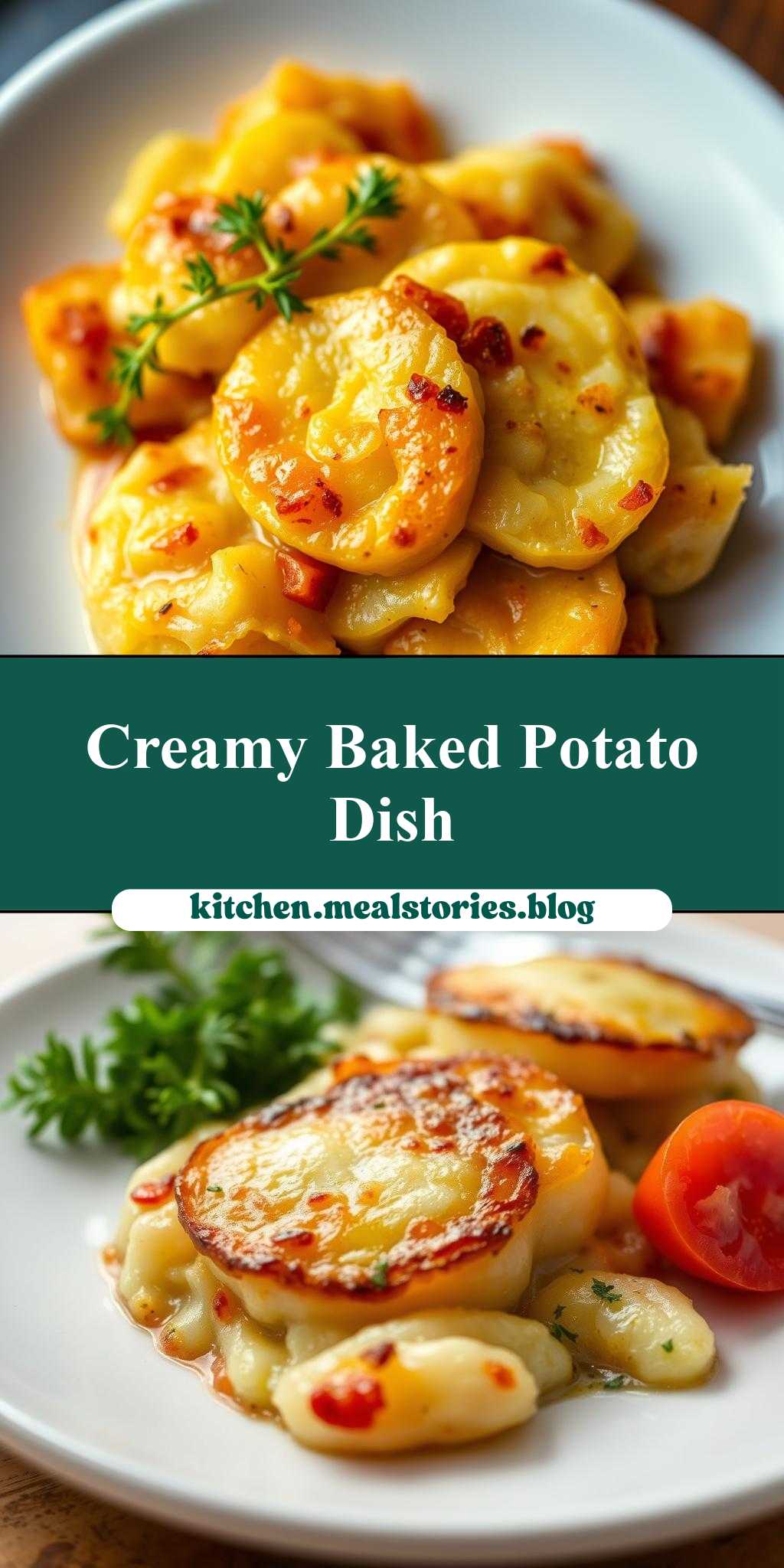
What makes the perfect side dish for a weeknight dinner? Thinly sliced potatoes baked in a rich and creamy homemade sauce make for a delicious family favorite, especially when paired with garlic and butter. Save this easy recipe idea for later
this is an image of scalloped potatoes
Introduction
Scalloped potatoes are a classic comfort food dish that is both easy to make and incredibly flavorful. By using everyday ingredients like potatoes, cheese, and cream, you can create a masterpiece that will impress your family and friends. The beauty of this recipe lies in its simplicity and flexibility, allowing you to get creative with different seasonings, toppings, and ingredient substitutions. Whether you’re a seasoned chef or a beginner in the kitchen, this dish is sure to become a staple in your culinary repertoire.
Why This Works
- Flavor balance and ingredient accessibility: The combination of rich cheese, creamy sauce, and tender potatoes creates a perfect harmony of flavors that is hard to resist. Plus, the ingredients are easily found in most supermarkets, making it a convenient option for a weeknight dinner.
- Ease of preparation: The steps involved in making scalloped potatoes are straightforward and require minimal effort, making it a great option for those short on time or new to cooking.
- Impressive results with minimal effort: Despite its simplicity, scalloped potatoes can be dressed up to impress even the most discerning palates. The golden-brown crust and creamy interior are sure to wow your dinner guests.
Key Ingredients
The main ingredients in this recipe include thinly sliced potatoes, a mixture of cheddar and parmesan cheese, heavy cream or milk, and a pinch of salt and pepper. You can also add some diced onions, garlic, or herbs like thyme or rosemary to give it an extra boost of flavor. For a gluten-free option, be sure to use gluten-free flour or cornstarch to thicken the sauce. If you’re looking for a dairy-free alternative, you can substitute the cheese with a non-dairy equivalent and use a plant-based milk.
Instructions
- Step 1: Begin by preheating your oven to 375°F (190°C). While that’s heating up, peel and slice the potatoes into thin rounds. Try to make the slices as uniform as possible so that they cook evenly.
- Step 2: In a large saucepan, combine the heavy cream or milk, grated cheese, and a pinch of salt and pepper. Heat the mixture over medium heat, stirring occasionally, until the cheese is melted and the sauce is smooth.
- Step 3: In a greased 9×13-inch baking dish, create a layer of potatoes. You can overlap them slightly, but try to maintain a single layer. Pour some of the cheese sauce over the potatoes, making sure to cover the entire surface. Repeat this process until you’ve used up all the ingredients, finishing with a layer of cheese on top.
- Step 4: Cover the dish with aluminum foil and bake for 30 minutes. Then, remove the foil and continue baking for an additional 20-25 minutes, or until the top is golden brown and the potatoes are tender. Remove from the oven and let it cool for a few minutes before serving.
Handy Tips
- To avoid a soggy crust, make sure to pat the potatoes dry with a paper towel before assembling the dish. You can also sprinkle some grated cheese or breadcrumbs on top to add extra crunch.
- If you’re using a mandoline to slice the potatoes, be careful not to slice them too thinly, as they can become fragile and prone to breaking.
- Don’t overmix the cheese sauce, as it can become too thick and sticky. Stop stirring once the cheese is melted and the sauce is smooth.
Heat Control
When baking the scalloped potatoes, it’s essential to maintain a consistent oven temperature to ensure even cooking. Keep an eye on the dish after removing the foil, as the top can go from perfectly golden to burnt quickly. If you notice the top starting to brown too quickly, you can cover it with foil again to prevent overcooking.
Crunch Factor
The ideal texture for scalloped potatoes is tender on the inside and crispy on the outside. To achieve this, make sure to not overcook the potatoes, and don’t be afraid to get a little creative with the topping. Some grated cheese, chopped herbs, or a sprinkle of breadcrumbs can add a delightful crunch to the dish.
Pro Kitchen Tricks
- To add an extra layer of flavor, try sautéing some diced onions or garlic before adding the potatoes and cheese sauce. This will create a deep, caramelized flavor that elevates the dish to the next level.
- For a shortcut, you can use pre-sliced potatoes or frozen hash browns. Just be sure to adjust the cooking time accordingly.
- To make cleanup easier, line the baking dish with parchment paper or aluminum foil before assembling the scalloped potatoes. This will prevent the cheese from sticking to the dish and make it a breeze to clean up.
Storage Tips
- Leftover scalloped potatoes can be stored in an airtight container in the refrigerator for up to 3 days. Reheat them in the oven or microwave until warmed through.
- For longer storage, you can freeze the scalloped potatoes for up to 2 months. Simply thaw and reheat when needed.
- When reheating, be sure to cover the dish with foil to prevent the top from drying out. You can also add a splash of milk or cream to revive the sauce.
Gift Packaging Ideas
Scalloped potatoes can be a thoughtful and delicious gift for friends and family. Consider packaging them in a cute ceramic dish or a decorative tin, topped with a sprinkle of fresh herbs or a dollop of sour cream. You can also include a side of garlic bread or a green salad for a complete meal. Simply wrap the dish in plastic wrap or aluminum foil and tie with a ribbon or twine for a charming presentation.
Flavor Variations
- Different spices: Try adding some dried thyme, rosemary, or paprika to the cheese sauce for a unique flavor twist.
- Creative toppings: Add some diced ham, bacon, or cooked vegetables to the top of the scalloped potatoes for added texture and flavor.
- Ingredient swaps: Substitute the cheddar cheese with feta, goat cheese, or parmesan for a distinct flavor profile. You can also use different types of milk or cream, such as almond or soy milk, for a non-dairy option.
Troubleshooting
- Texture problems: If the potatoes are too hard or undercooked, try baking them for an additional 10-15 minutes. If they’re too soft or mushy, you can try broiling the top for a few minutes to crisp it up.
- Ingredient replacements: If you’re missing an ingredient, don’t be afraid to get creative with substitutions. For example, you can use leftover chicken or turkey broth instead of cream, or substitute the cheese with a non-dairy equivalent.
- Over/undercooking signs: Keep an eye on the scalloped potatoes while they’re baking, and check for doneness by inserting a fork or knife. If it slides in easily, the potatoes are cooked through. If not, give them a few more minutes and check again.
FAQs
- Can I freeze it? Yes, you can freeze scalloped potatoes for up to 2 months. Simply thaw and reheat when needed.
- Is it gluten-free? This recipe can be made gluten-free by using gluten-free flour or cornstarch to thicken the sauce. Be sure to check the ingredients of the cheese and any additional seasonings to ensure they are gluten-free.
- Can I double the recipe? Yes, you can easily double or triple this recipe to feed a larger crowd. Just be sure to adjust the cooking time accordingly, and use a larger baking dish to accommodate the increased quantity.
Conclusion
Scalloped potatoes are a timeless classic that is sure to become a staple in your kitchen. With its creamy sauce, tender potatoes, and golden-brown crust, this dish is perfect for any occasion. Whether you’re a busy weeknight cook or an entertainer extraordinaire, this recipe is sure to impress. So go ahead, get creative, and make it your own! Share your favorite variations and tips in the comments below, and don’t forget to tag us in your social media posts so we can see your delicious creations.