
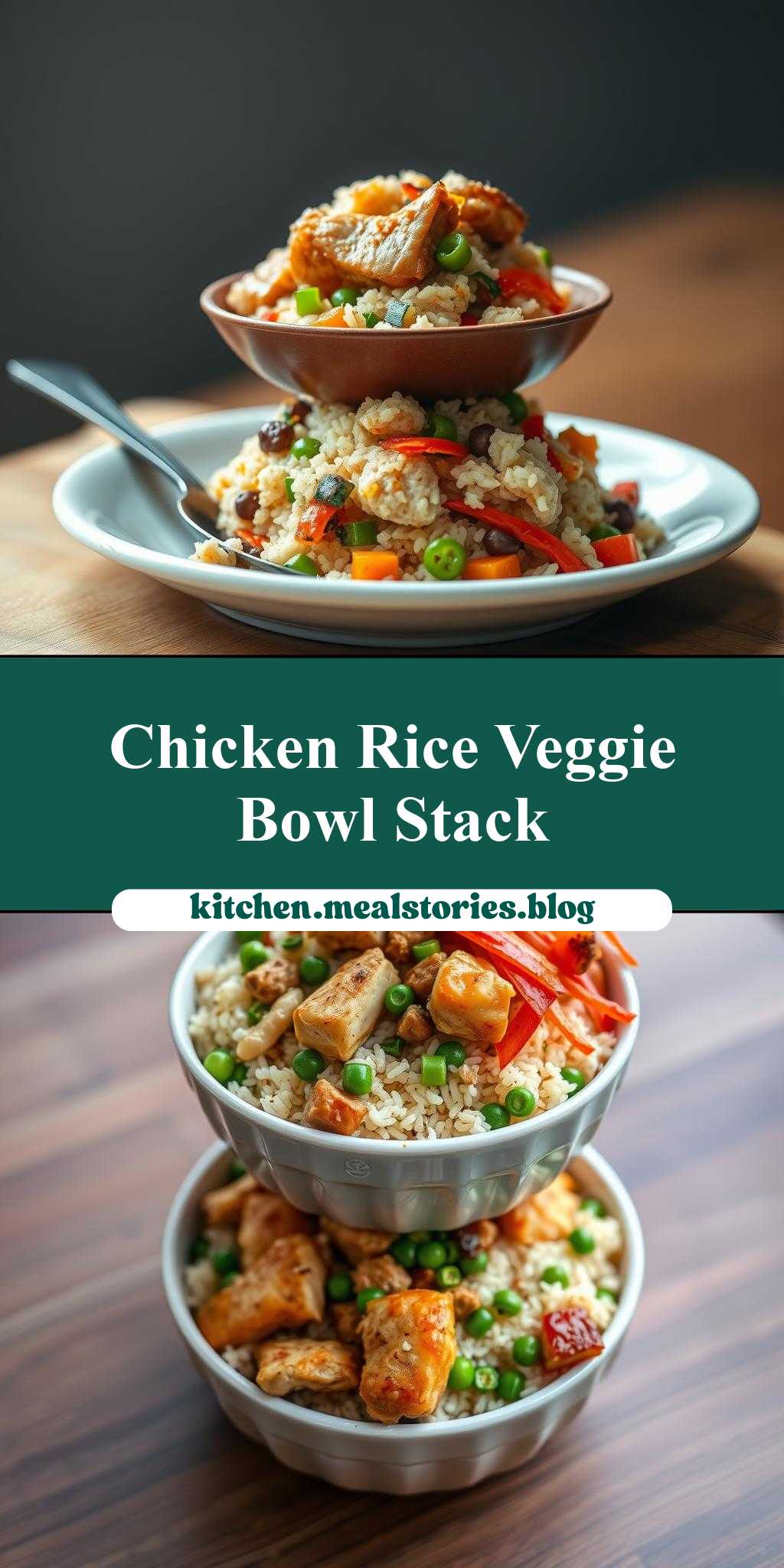
What’s the secret to a satisfying meal in one bowl? Layering tender chicken, fluffy rice and sautéed veggies makes for a quick and easy homemade weeknight dinner that’s sure to become a family favorite, save this idea for a simple and delicious meal solution, try it soon
Two Bowls Filled with Chicken, Rice, and Veggies on Top of Each Other
Introduction
Imagine a dish so simple, yet so satisfying, that it becomes a staple in your household. A meal that combines the comfort of chicken, the warmth of rice, and the freshness of vegetables, all layered in a creative and visually appealing way. This recipe for two bowls filled with chicken, rice, and veggies on top of each other is more than just a meal; it’s an experience. It’s about taking everyday ingredients and turning them into something truly special with minimal effort. The beauty of this dish lies in its ease, flavor, and the endless possibilities for creativity and customization. Whether you’re a busy professional looking for a quick dinner solution or a culinary enthusiast seeking a new challenge, this recipe has something for everyone.
Why This Works
- Flavor balance and ingredient accessibility: This recipe shines because it balances flavors so well, using ingredients that are easily accessible in most supermarkets. The combination of chicken, rice, and a variety of vegetables ensures that each bite is a perfect harmony of tastes and textures.
- Ease of preparation: One of the most appealing aspects of this dish is how easy it is to prepare. With a few simple steps, you can have a nutritious and delicious meal ready in no time. This makes it perfect for weeknights or any time you need a quick, satisfying meal.
- Impressive results with minimal effort: Despite its simplicity, the presentation of this dish is impressive. Layering the ingredients in two bowls creates a visually appealing effect that’s sure to impress family and friends. It’s a great option for those who want to make a good impression without spending hours in the kitchen.
Key Ingredients
The foundation of this recipe includes chicken breasts, which provide a good source of protein; rice, which serves as a comforting base; and a variety of vegetables such as bell peppers, carrots, and peas, which add natural sweetness, crunch, and a burst of color. For seasoning, you can use a mix of herbs and spices like thyme, rosemary, and a bit of paprika to give it a smoky flavor. Olive oil is used for sautéing, adding a richness to the dish without overpowering the other flavors. Practical substitutions can be made based on personal preferences and dietary needs, such as using quinoa instead of rice for a nuttier flavor and extra nutritional benefits, or swapping chicken with tofu for a vegan alternative.
Instructions
- Step 1: Begin by preparing your ingredients. Chop the vegetables into bite-sized pieces, season the chicken with your chosen herbs and spices, and measure out the appropriate amount of rice and water for cooking.
- Step 2: Cook the rice according to the package instructions. Typically, it’s a 2:1 ratio of water to rice, brought to a boil and then simmered until the water is absorbed and the rice is tender. While the rice is cooking, heat some olive oil in a pan and cook the chicken until it’s browned on both sides and cooked through. Remove the chicken from the pan and set it aside.
- Step 3: In the same pan, add a bit more olive oil if necessary, and then sauté the chopped vegetables until they’re tender but still crisp. This should take about 5-7 minutes, depending on the vegetables you’ve chosen. Season the vegetables with salt, pepper, and any additional herbs or spices you like.
- Step 4: To assemble the dish, place a layer of cooked rice at the bottom of each bowl. Slice the cooked chicken into strips and place it on top of the rice. Then, add a layer of the sautéed vegetables. You can also add any additional toppings you like, such as diced avocado for creaminess or a sprinkle of feta cheese for a tangy flavor. Repeat the layers one more time, ending with a layer of vegetables on top.
Handy Tips
- Avoid overcooking the chicken and vegetables, as this can make them dry and less flavorful. It’s better to err on the side of undercooking slightly, as they will continue to cook a bit after being removed from the heat.
- Use any combination of vegetables you like or have on hand. The key is to have a variety of colors and textures to make the dish visually appealing and interesting to eat.
- Consider preparing components of the meal ahead of time. For example, you can cook the rice and chicken a day in advance and store them in the refrigerator until you’re ready to assemble the dish.
Heat Control
When cooking the chicken and vegetables, it’s important to control the heat to achieve the best results. For the chicken, cook it over medium-high heat to get a good sear on the outside, then reduce the heat to medium-low to finish cooking it through. For the vegetables, cook them over medium heat, stirring frequently to prevent burning. The ideal internal temperature for cooked chicken is 165°F (74°C), and vegetables are done when they’re tender but still crisp.
Crunch Factor
The crunch factor in this dish comes from the vegetables, especially if you include ingredients like bell peppers and carrots. To achieve the perfect crunch, don’t overcook the vegetables. They should be cooked until they’re just tender, still retaining some of their natural crispness. Adding nuts or seeds as a topping can also enhance the crunch factor, providing a satisfying texture contrast to the softness of the rice and chicken.
Pro Kitchen Tricks
- Marinate the chicken beforehand to enhance its flavor. Even a short marination of 30 minutes can make a significant difference.
- Use a variety of cooking oils to add depth to your dish. For example, finishing the vegetables with a drizzle of sesame oil can add a nutty flavor.
- Keep it fresh by not over-preparing. Cook just what you need for the meal, and save any leftovers for the next day to ensure everything stays fresh and flavorful.
Storage Tips
- Leftovers can be safely stored in the refrigerator for up to 3 days. It’s best to store the components separately (rice, chicken, vegetables) to prevent moisture from building up and making the dish soggy.
- Reheat the dish gently to prevent drying out the chicken and vegetables. Microwaving is a quick option, but be cautious not to overheat. Adding a splash of water or broth can help keep everything moist.
- Freezing is not recommended for this dish, as the texture of the rice and vegetables can become unappealing after thawing. However, you can freeze cooked chicken and rice separately for use in future meals.
Gift Packaging Ideas
If you’re considering gifting this meal, perhaps to a friend who’s under the weather or a new neighbor, you can package it in a creative way. Use disposable containers that can be easily heated in the microwave, and include a side of fresh fruit or a green salad for a complete meal. Adding a personal touch, like a handwritten note or a small bouquet of flowers, can make the gift even more special.
Flavor Variations
- Different spices: Try adding cumin and chili powder for a Mexican-inspired flavor, or curry powder for an Indian twist.
- Creative toppings: In addition to avocado and feta cheese, consider using grilled mushrooms, diced tomatoes, or a dollop of yogurt for extra flavor and texture.
- Ingredient swaps: Swap chicken with shrimp for a seafood version, or use roasted vegetables instead of sautéed for a deeper flavor.
Troubleshooting
- Texture problems: If the rice is too mushy, it was likely overcooked. Try using less water or cooking it for a shorter time. If the vegetables are too raw, cook them for a few minutes longer.
- Ingredient replacements: If you don’t have a particular ingredient, don’t be afraid to substitute. For example, you can use beef or pork instead of chicken, or broccoli instead of bell peppers.
- Over/undercooking signs: Chicken is overcooked if it’s dry and tough, and undercooked if it’s pink and juicy. Vegetables are overcooked if they’re mushy and undercooked if they’re too crisp.
FAQs
- Can I freeze it? While it’s possible to freeze components of the dish, it’s not recommended to freeze the assembled meal due to texture changes.
- Is it gluten-free? Yes, this recipe is naturally gluten-free, making it a great option for those with gluten intolerance or sensitivity.
- Can I double the recipe? Absolutely, this recipe can be easily doubled or tripled to feed a larger crowd. Just be sure to adjust the cooking time accordingly.
Conclusion
This recipe for two bowls filled with chicken, rice, and veggies on top of each other is a testament to the simplicity and elegance of home cooking. It’s a dish that encourages creativity and flexibility, allowing you to make it your own with your favorite ingredients and seasonings. Whether you’re cooking for yourself or a group, this meal is sure to please, offering a comforting and satisfying experience that will leave you feeling full and content. So don’t be afraid to experiment, share your creations, and enjoy the process of cooking and sharing meals with others.