
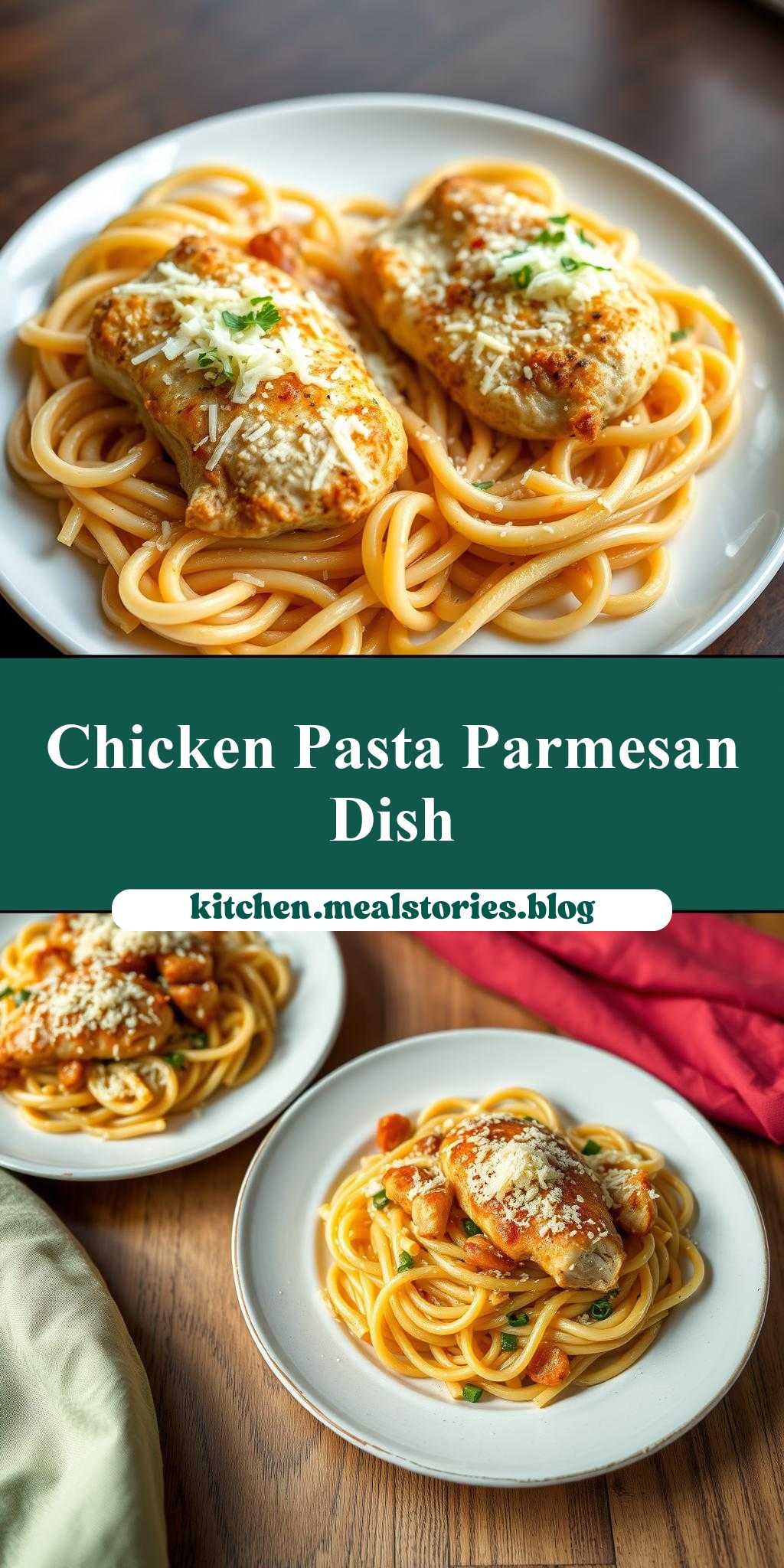
What makes a perfect weeknight dinner combo – is it the tender chicken, rich parmesan cheese or homemade pasta sauce that brings everyone together? This easy, quick recipe for a family favorite pasta dish features pan-seared chicken and a blend of creamy parmesan cheese, Save this idea for a delicious homemade meal to enjoy anytime.
Two Plates of Pasta with Chicken and Parmesan Cheese on Top, the Same Plate
Introduction
Imagine a dish so divine, it’s as if a taste of Italy has landed on your plate. The combination of tender chicken, perfectly cooked pasta, and the richness of parmesan cheese is a match made in heaven. This recipe for two plates of pasta with chicken and parmesan cheese on top is not just about the flavors; it’s about the simplicity and elegance of creating a meal that feels like a special occasion, every day. With everyday ingredients and a straightforward approach, you’ll be amazed at how easily you can impress your family and friends with this culinary masterpiece.
Why This Works
- Flavor balance and ingredient accessibility: This dish strikes a perfect balance between the savory taste of chicken, the comfort of pasta, and the saltiness of parmesan cheese, all of which are easily found in most supermarkets.
- Ease of preparation: Despite its impressive presentation, this recipe requires minimal effort and time, making it perfect for busy weeknights or lazy Sundays.
- Impressive results with minimal effort: The layering of flavors and textures creates a dish that looks and tastes like it was prepared in a professional kitchen, without the need for specialized cooking techniques or ingredients.
Key Ingredients
The main ingredients in this recipe include pasta of your choice (though penne, fusilli, or farfalle work particularly well), boneless, skinless chicken breasts, parmesan cheese, olive oil, garlic, and your choice of vegetables (such as bell peppers, onions, and mushrooms). For practical substitutions, you can use different types of pasta, swap chicken with shrimp or tofu for a vegetarian option, and experiment with various vegetables to suit your taste. The parmesan cheese can be substituted with other hard cheeses like pecorino or romano, though parmesan provides a unique nutty flavor that complements the dish beautifully.
Instructions
- Step 1: Begin by preparing your ingredients. Chop the vegetables, mince the garlic, and slice the chicken into bite-sized pieces. Measure out the pasta, olive oil, and parmesan cheese according to your recipe or preference.
- Step 2: Cook the pasta according to the package instructions until it’s al dente. Meanwhile, heat the olive oil in a large skillet over medium-high heat. Add the chicken and cook until it’s browned on all sides and cooked through, about 5-7 minutes. Remove the chicken from the skillet and set it aside.
- Step 3: In the same skillet, add more olive oil if necessary, then sauté the garlic and vegetables until they’re tender and lightly browned. This step adds a depth of flavor and texture to the dish. Once the vegetables are cooked, add the cooked pasta to the skillet, tossing everything together to combine.
- Step 4: To assemble the dish, place a portion of the pasta mixture onto each plate, followed by a piece of the cooked chicken on top. Sprinkle generously with parmesan cheese. You can also add some of the sautéed vegetables on top of the chicken for extra flavor and color. Serve immediately and enjoy the ooohs and aahs from your dinner companions.
Handy Tips
- Use high-quality ingredients: While it might be tempting to go for the cheapest options, remember that the quality of your ingredients directly affects the taste of your final dish. Fresh vegetables, good olive oil, and authentic parmesan cheese make a significant difference.
- Don’t overcook the pasta: Al dente pasta holds its shape and provides a better texture contrast to the soft chicken and cheese. Overcooking can lead to a mushy, unappetizing dish.
- Experiment with spices: Adding a pinch of red pepper flakes can give your dish a nice kick, while dried or fresh herbs like basil or thyme can add depth and freshness.
Heat Control
Heat control is crucial in this recipe, especially when cooking the chicken and sautéing the vegetables. For the chicken, ensure that it reaches an internal temperature of 165°F (74°C) to avoid undercooking. When sautéing the vegetables, keep an eye on the heat to prevent burning. Medium-high heat is ideal for browning the chicken and cooking the vegetables quickly, but adjust as needed to prevent overheating.
Crunch Factor
The crunch factor in this dish comes from the slightly browned vegetables and the crispy exterior of the chicken. To achieve this, make sure not to overcrowd the skillet when cooking the chicken and vegetables, as this can lead to steaming instead of browning. Also, don’t stir the vegetables too frequently; let them develop a nice brown color on one side before turning them.
Pro Kitchen Tricks
- Marinate the chicken beforehand: Even a quick 30-minute marination in olive oil, garlic, and herbs can significantly enhance the flavor of the chicken.
- Use pasta water: If you find your pasta dish too dry, adding a bit of the pasta cooking water can help loosen the sauce and create a more cohesive dish.
- Crisp the parmesan cheese: Place the parmesan cheese under the broiler for a few seconds to get a crispy, golden-brown top. This adds a satisfying textural element to the dish.
Storage Tips
- Leftovers can be stored in the refrigerator for up to 3 days. Reheat gently in the microwave or on the stovetop, adding a bit of water or olive oil if the dish seems dry.
- For longer storage, consider freezing the cooked pasta and chicken separately. Frozen pasta dishes can be reheated directly from the freezer, though the texture might slightly differ.
- Use airtight containers to maintain freshness and prevent moisture from entering the containers.
Gift Packaging Ideas
If you’re considering gifting this dish, perhaps for a potluck or as a meal for a friend in need, consider packaging it in a decorative microwave-safe container. Add a sprinkle of parmesan cheese on top and a few fresh herbs for garnish. You can also include a side of garlic bread or a green salad for a complete meal. Wrap the container in a tea towel or place it in a gift basket for a more personalized touch.
Flavor Variations
- Different spices: Try adding a pinch of cumin for a smoky flavor, paprika for a smoky depth, or chili flakes for an extra kick.
- Creative toppings: In addition to parmesan cheese, consider topping your pasta with toasted pine nuts, dried cranberries, or even a fried egg for added richness.
- Ingredient swaps: Swap the chicken with shrimp for a seafood twist or use roasted vegetables like zucchini and eggplant for added flavor and nutrition.
Troubleshooting
- Texture problems: If your pasta is too mushy, it was likely overcooked. For the next attempt, try cooking it for a minute less and checking frequently. If the chicken is dry, it might have been overcooked or not rested long enough before slicing.
- Ingredient replacements: If you’re missing an ingredient, don’t be afraid to substitute. However, keep in mind that each ingredient plays a role in the flavor and texture of the dish, so the final result might vary.
- Over/undercooking signs: Always check the internal temperature of the chicken and the doneness of the pasta and vegetables to ensure everything is cooked to perfection.
FAQs
- Can I freeze it? Yes, you can freeze the cooked pasta and chicken for up to 3 months. However, it’s best to freeze them separately for easier reheating and to prevent the pasta from becoming mushy.
- Is it gluten-free? This depends on the type of pasta used. If you use gluten-free pasta, the dish can be gluten-free. However, always check the ingredients of the chicken and vegetables for any gluten-containing sauces or seasonings.
- Can I double the recipe? Absolutely! This recipe scales well. Just remember to adjust the cooking time slightly if you’re cooking a larger quantity of chicken or pasta.
Conclusion
Creating two plates of pasta with chicken and parmesan cheese on top is more than just following a recipe; it’s about crafting an experience. With its blend of flavors, textures, and the joy of sharing a meal, this dish is sure to become a staple in your kitchen. Don’t be afraid to experiment and make it your own, and remember, the most important ingredient in any recipe is the love you put into it. So, go ahead, cook with passion, and enjoy the journey of culinary exploration and sharing delicious meals with others.