
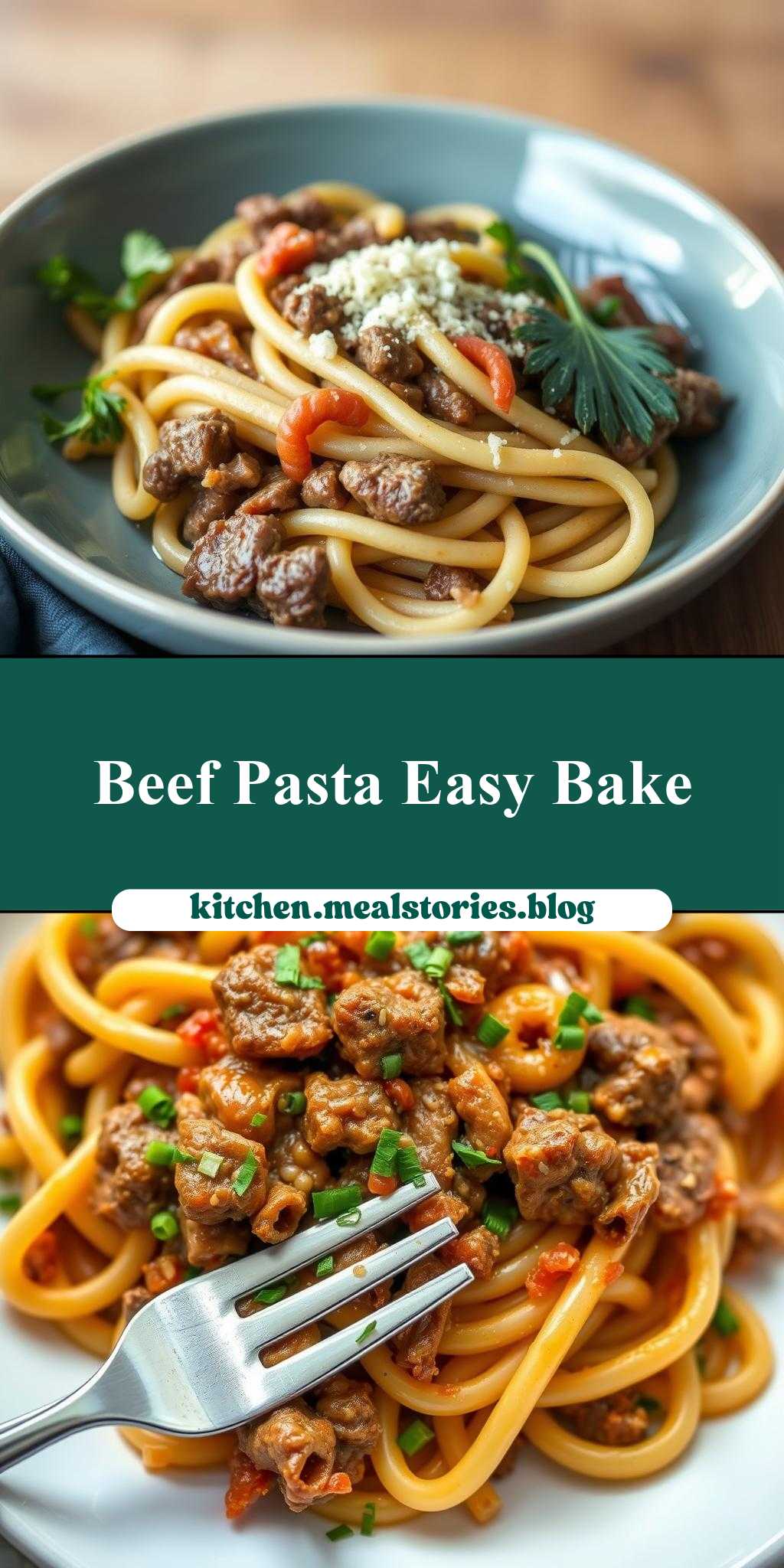
What to do with leftover roast beef is always the question, and this easy homemade beef and pasta recipe is a game changer for a quick weeknight dinner, featuring tender beef and perfectly cooked noodles, save this idea for a family favorite meal to enjoy later
this easy homemade beef and pasta recipe is the perfect way to use up leftover meat
Introduction
There’s something undeniably satisfying about a hearty, homemade beef and pasta dish, especially when it’s made with leftover meat. Not only does it reduce food waste, but it also allows for a burst of creativity in the kitchen, turning yesterday’s roast into today’s culinary masterpiece. This recipe embodies the essence of comfort food, combining tender beef, perfectly cooked pasta, and a rich, flavorful sauce, all achieved with minimal fuss and using everyday ingredients that are likely already stocked in your pantry. Whether you’re a busy weeknight cook or a weekend meal planner, this easy homemade beef and pasta recipe is sure to become a favorite, offering a delicious solution to the age-old question of what to do with leftover meat.
Why This Works
- Flavor balance and ingredient accessibility: The beauty of this recipe lies in its simplicity and the balance of flavors it achieves. By using leftover beef, you’re not only reducing waste but also starting with meat that’s already tender and full of flavor. The pasta and sauce complement the beef perfectly, creating a dish that’s both satisfying and delicious.
- Ease of preparation: One of the standout features of this recipe is how easy it is to prepare. With a few basic ingredients and some straightforward steps, you can have a mouth-watering beef and pasta dish on the table in no time. This makes it ideal for busy evenings when you need something quick but still want to enjoy a home-cooked meal.
- Impressive results with minimal effort: Despite its simplicity, this recipe yields impressive results. The combination of tender beef, al dente pasta, and a rich sauce is sure to impress family and friends, making it a great option for casual gatherings or special occasions.
Key Ingredients
The main ingredients for this recipe include leftover beef (which can be from a roast, steak, or any other cut you prefer), pasta of your choice (though thicker shapes like pappardelle or rigatoni work particularly well), a mix of onions, garlic, and mushrooms for added depth of flavor, canned tomatoes or tomato sauce for the base of the sauce, and finally, some beef broth and red wine (optional) to enhance the flavor and moisture of the dish. For practical substitutions, you can use different types of pasta or vary the vegetables based on what you have available. Additionally, for a vegetarian version, you could substitute the beef with portobello mushrooms or eggplant, though this would alter the character of the dish significantly.
Instructions
- Step 1: Begin by preparing your ingredients. Chop the onions, garlic, and mushrooms. If your leftover beef is in large pieces, shred or chop it into bite-sized portions. Also, cook your pasta according to the package instructions until it’s al dente, then set it aside.
- Step 2: In a large skillet, heat a couple of tablespoons of olive oil over medium heat. Add the chopped onions and sauté until they’re translucent, then add the garlic and cook for another minute, ensuring it doesn’t burn. Next, add the mushrooms and cook until they release their moisture and start to brown.
- Step 3: Add the chopped leftover beef to the skillet, stirring to combine with the onion and mushroom mixture. Then, pour in the canned tomatoes, beef broth, and red wine (if using). Bring the mixture to a simmer and let it cook for about 20 minutes, allowing the flavors to meld together and the sauce to thicken. Season with salt, pepper, and any other herbs or spices you like.
- Step 4: To finish the dish, add the cooked pasta to the sauce, tossing everything together until the pasta is well coated. Serve hot, garnished with parsley or parmesan cheese, and enjoy the fruits of your labor.
Handy Tips
- Avoid overcooking the pasta, as it will continue to absorb sauce and can become mushy. Al dente texture provides the best base for the dish.
- Don’t be afraid to experiment with the sauce. A splash of red wine or a teaspoon of dried basil can significantly enhance the flavor.
- For a creamier sauce, you can add a tablespoon or two of butter or heavy cream towards the end of the cooking time. This will enrich the sauce and provide a luxurious finish to the dish.
Heat Control
Heat control is crucial in this recipe, especially when cooking the pasta and simmering the sauce. For the pasta, follow the package instructions for boiling time, usually between 8-12 minutes, depending on the type. The sauce should simmer over medium-low heat, allowing the flavors to combine and the liquid to reduce slightly, which should take about 20 minutes. Keep an eye on the heat to prevent the sauce from burning or the pasta from becoming overcooked.
Crunch Factor
The texture of this dish is largely dependent on the pasta’s doneness and the sauce’s thickness. For a satisfying crunch, consider adding some toasted breadcrumbs or grated parmesan cheese on top of the pasta before serving. If you prefer a softer texture, cooking the pasta for an additional minute or two can help, though be cautious not to overcook it.
Pro Kitchen Tricks
- Another trick is to add a bit of acidity, like a squeeze of fresh lemon juice, to balance the richness of the sauce and beef. This can elevate the dish and provide a brighter, more refreshing flavor profile.
- For cleanup, a handy tip is to cook the pasta and prepare the sauce in the same pot, if possible, to reduce the number of dishes. Additionally, using a one-pot wonder approach can help retain flavors and make the cooking process more efficient.
Storage Tips
- This dish can be stored in the refrigerator for up to 3 days. Simply cool it down, then place it in an airtight container. Reheating can be done in the microwave or on the stovetop, adding a bit of water if the sauce has thickened too much.
- When storing leftovers, it’s crucial to use the right containers. Airtight, microwave-safe containers are ideal for both refrigerating and freezing. Labeling the containers with the date and contents can also help with meal planning and ensuring that older items are used before they expire.
Gift Packaging Ideas
While this dish is primarily designed for personal consumption, it can also be a thoughtful gift for friends or family, especially during holidays or when someone is in need of a comforting meal. Consider packaging the cooled dish in a decorative, microwave-safe container, topped with a layer of cheese or breadcrumbs for an attractive finish. Add a ribbon or a gift tag with heating instructions, and you have a present that’s both practical and delicious.
Flavor Variations
- Different spices: Experimenting with various spices can completely change the flavor profile of the dish. For example, adding a bit of cumin and chili powder can give it a Mexican twist, while oregano and thyme can lean it towards a more Mediterranean flavor.
- Creative toppings: The toppings you choose can also significantly impact the flavor and appeal of the dish. Some options include toasted pine nuts, fresh basil, diced bell peppers, or even a fried egg for added richness.
- Ingredient swaps: Swapping out ingredients can be a fun way to reinvent the recipe. For instance, using ground beef instead of leftover roast can make the dish more akin to a Bolognese, while substituting the pasta with zucchini noodles can make it a low-carb option.
Troubleshooting
- Texture problems: If the pasta becomes too mushy, it’s likely overcooked. For the sauce, if it’s too thick, add a bit of water or broth. If it’s too thin, simmer it for a few more minutes or add a tablespoon of tomato paste.
- Ingredient replacements: If you’re missing an ingredient, don’t be afraid to substitute. For example, if you don’t have beef broth, you can use chicken broth or even water as a last resort. Just be aware that substitutions can affect the flavor.
- Over/undercooking signs: Keep an eye on the pasta’s texture and the sauce’s consistency. Overcooked pasta will be mushy, while undercooked pasta will be hard. The sauce should be thick but still pourable. If it’s too dry, it may be overcooked.
FAQs
- Can I freeze it? Yes, this dish freezes well. It’s best to freeze the sauce and pasta separately for optimal texture.
- Is it gluten-free? The pasta typically contains gluten, but you can substitute it with gluten-free pasta to make the dish gluten-free. Also, be sure to check the ingredients of the sauce for any gluten-containing products.
- Can I double the recipe? Absolutely, this recipe can be easily doubled or even tripled if you’re feeding a larger crowd. Just keep an eye on the cooking time and adjust as necessary.
Conclusion
This easy homemade beef and pasta recipe is not just a solution for using up leftover meat; it’s a gateway to exploring the world of comfort food with creativity and flair. With its rich flavors, hearty portions, and versatility, it’s a dish that can be enjoyed throughout the year, whether as a quick weeknight meal or a special occasion feast. So, don’t hesitate to experiment, share, and enjoy the process of turning leftovers into a culinary masterpiece. Happy cooking!