
What makes a great bologi sauce from scratch? Rich flavors and tender loving care, that’s what. This homemade version uses ground beef and tomatoes for a hearty weeknight dinner idea. Save this easy recipe for later to enjoy with your family.
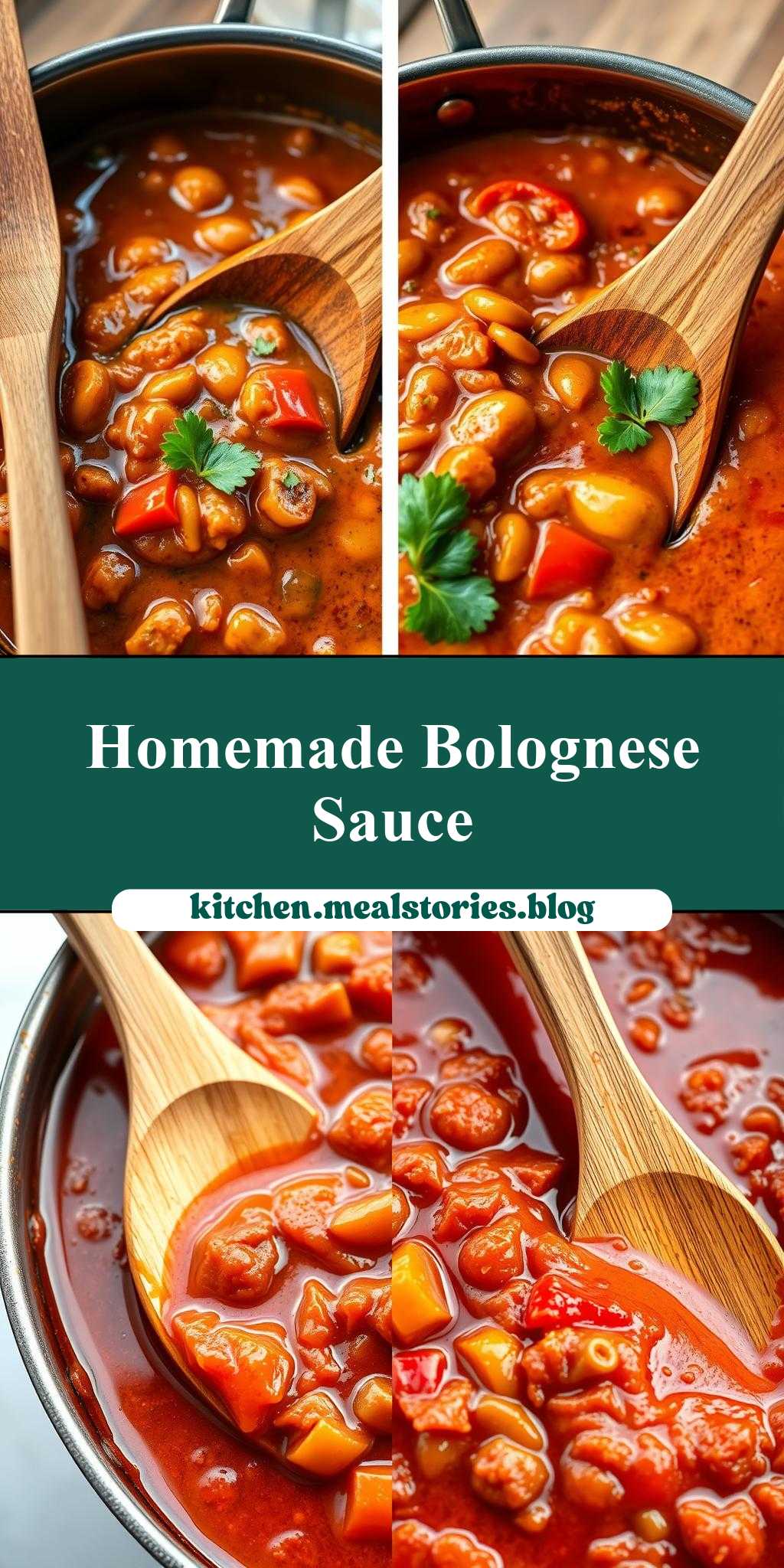
two pictures showing different types of homemade bologi sauce in pans with wooden spoons
Introduction
Imagine being able to create your own delicious homemade bologi sauce with ease, using everyday ingredients that are readily available in your pantry. This recipe is all about embracing the simplicity and creativity of cooking, allowing you to experiment with different flavors and textures to create a truly unique dish. With its rich, meaty flavor and versatility in pairing with various pasta shapes, homemade bologi sauce is a staple in many Italian households. In this article, we will guide you through the process of making your own homemade bologi sauce, from the key ingredients to the final touches, and provide you with helpful tips and tricks to make it a success.
Why This Works
- Flavor balance and ingredient accessibility: The combination of ground meat, tomatoes, and herbs creates a balanced flavor profile that is both rich and tangy, while the use of common ingredients makes it easy to prepare.
- Ease of preparation: This recipe requires minimal preparation and cooking time, making it perfect for a weeknight dinner or a special occasion.
- Impressive results with minimal effort: Despite its simplicity, homemade bologi sauce is sure to impress your family and friends with its depth of flavor and hearty texture.
Key Ingredients
The key ingredients in this recipe include ground beef, pork, or a combination of the two, onions, carrots, celery, canned tomatoes, tomato paste, red wine, beef broth, and herbs such as basil and oregano. You can also use other types of meat or vegetables to suit your taste preferences. For example, you can substitute ground turkey or chicken for the beef and pork, or add other aromatics like garlic and bell peppers to the sauce. Additionally, you can use fresh or canned tomatoes, depending on what is available and in season.
Instructions
- Step 1: Begin by chopping the onions, carrots, and celery into small pieces and sautéing them in olive oil until they are softened and fragrant. This will create a flavorful base for the sauce.
- Step 2: Add the ground meat to the pan and cook until it is browned, breaking it up into small pieces as it cooks. This will help to create a rich and meaty flavor in the sauce.
- Step 3: Add the canned tomatoes, tomato paste, red wine, beef broth, and herbs to the pan, stirring to combine. Bring the sauce to a simmer and let it cook for at least 30 minutes, stirring occasionally, until the flavors have melded together and the sauce has thickened.
- Step 4: Season the sauce with salt and pepper to taste, and serve it over cooked pasta, garnished with grated Parmesan cheese and fresh herbs. You can also use the sauce as a base for other dishes, such as lasagna or stuffed peppers.
Handy Tips
- Use high-quality ingredients: The flavor of the sauce will only be as good as the ingredients you use, so be sure to choose fresh and flavorful produce and meats.
- Acidity balance: If using canned tomatoes, be aware that they can be quite acidic. You can balance this by adding a pinch of baking soda or a splash of red wine.
- Don’t overcook: While it’s important to cook the sauce for a sufficient amount of time to allow the flavors to meld together, be careful not to overcook it, as this can result in a dry and flavorless sauce.
Heat Control
When cooking the sauce, it’s essential to maintain a gentle simmer to prevent the sauce from burning or becoming too thick. You can achieve this by using a heavy-bottomed pot or Dutch oven, and by stirring the sauce occasionally as it cooks. If you find that the sauce is becoming too thick, you can thin it out with a little bit of water or broth. On the other hand, if the sauce is too thin, you can simmer it for a longer period to reduce the liquid and thicken the sauce.
Crunch Factor
The texture of the sauce is also important, and you can achieve a nice balance of smooth and chunky by using a combination of ground meat and chopped vegetables. If you prefer a smoother sauce, you can puree it in a blender or with an immersion blender before serving. On the other hand, if you like a chunkier sauce, you can add more chopped vegetables or meat to the sauce as it cooks.
Pro Kitchen Tricks
- Use a mixture of ground meats: Combining different types of ground meat, such as beef, pork, and veal, will create a more complex and interesting flavor profile in the sauce.
- Add a splash of red wine: Red wine adds a depth of flavor and a hint of acidity to the sauce, which helps to balance out the richness of the meat and tomatoes.
- Let it rest: After cooking the sauce, let it rest for at least 30 minutes before serving. This will allow the flavors to meld together and the sauce to thicken, resulting in a more intense and satisfying flavor.
Storage Tips
- Refrigerate or freeze: You can store the sauce in the refrigerator for up to 3 days or freeze it for up to 3 months. When reheating, be sure to heat it slowly over low heat, stirring occasionally, to prevent the sauce from burning or becoming too thick.
- Use airtight containers: When storing the sauce, be sure to use airtight containers to prevent it from coming into contact with air, which can cause it to spoil or become contaminated.
- Label and date: Be sure to label and date the containers so that you can easily keep track of how long the sauce has been stored and what it is.
Gift Packaging Ideas
If you want to give the sauce as a gift, you can package it in decorative jars or containers and add a personalized label or gift tag. You can also include a few suggestions for how to use the sauce, such as serving it over pasta or using it as a dipping sauce. Additionally, you can pair the sauce with other gourmet food items, such as artisanal cheeses or cured meats, to create a thoughtful and unique gift basket.
Flavor Variations
- Different spices: You can add different spices or herbs to the sauce to give it a unique flavor. For example, you can add a pinch of cumin or coriander to give it a Middle Eastern flavor, or a sprinkle of paprika to give it a smoky flavor.
- Creative toppings: You can also use different toppings to add texture and flavor to the sauce. For example, you can add some grated Parmesan cheese, chopped fresh herbs, or toasted pine nuts to give it a nice crunch and flavor.
- Ingredient swaps: Finally, you can swap out different ingredients to change the flavor and texture of the sauce. For example, you can use ground turkey or chicken instead of beef and pork, or add some sautéed mushrooms or bell peppers to the sauce for added flavor and nutrition.
Troubleshooting
- Texture problems: If the sauce is too thick, you can thin it out with a little bit of water or broth. On the other hand, if the sauce is too thin, you can simmer it for a longer period to reduce the liquid and thicken the sauce.
- Ingredient replacements: If you don’t have a particular ingredient, you can often substitute it with something else. For example, you can use canned tomatoes instead of fresh tomatoes, or ground beef instead of ground pork.
- Over/undercooking signs: If you’re not sure if the sauce is cooked enough, you can check it by tasting it and adjusting the seasoning as needed. You can also check the texture of the sauce by stirring it and seeing if it’s smooth and creamy.
FAQs
- Can I freeze it? Yes, you can freeze the sauce for up to 3 months. When reheating, be sure to heat it slowly over low heat, stirring occasionally, to prevent the sauce from burning or becoming too thick.
- Is it gluten-free? Yes, this sauce is gluten-free, making it a great option for those with gluten intolerance or sensitivity.
- Can I double the recipe? Yes, you can easily double or triple the recipe if you need to feed a larger crowd. Just be sure to adjust the cooking time and temperature as needed to prevent the sauce from burning or becoming too thick.
Conclusion
In conclusion, making your own homemade bologi sauce is a fun and rewarding experience that allows you to create a delicious and flavorful sauce using everyday ingredients. With its rich, meaty flavor and versatility in pairing with various pasta shapes, homemade bologi sauce is a staple in many Italian households. By following the tips and tricks outlined in this article, you can create a sauce that is sure to impress your family and friends. So why not give it a try and see what you can create? With a little bit of practice and patience, you’ll be making delicious homemade bologi sauce like a pro in no time.