
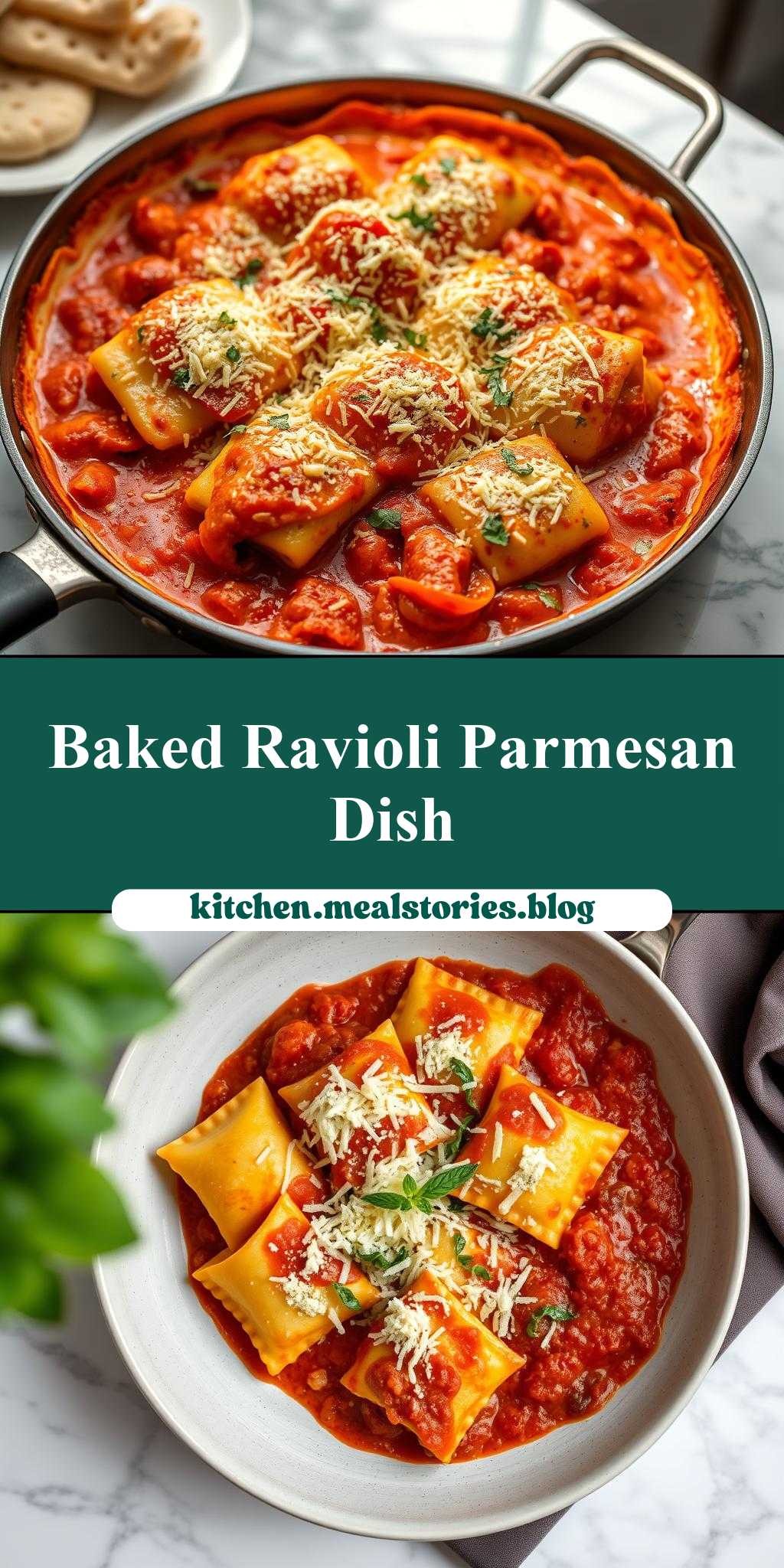
What makes a perfect weeknight dinner? For me, it’s a hearty baked ravioli with parmesan cheese, cooked to perfection in a skillet. This easy homemade recipe is a family favorite, requiring just a few key ingredients like freshly baked pasta and rich parmesan. Save this idea for a quick and satisfying meal to try soon.
baked ravioli with parmesan cheese in a skillet on a marble table
Introduction
Imagine a dish that combines the comfort of homemade pasta, the richness of parmesan cheese, and the simplicity of a skillet meal, all presented elegantly on a marble table. Baked ravioli with parmesan cheese in a skillet is a culinary masterpiece that achieves this perfect balance. It’s a recipe that celebrates the beauty of using everyday ingredients to create something truly special. With its ease of preparation, depth of flavor, and impressive presentation, this dish is perfect for a quick weeknight dinner or a special occasion. The best part? It requires minimal effort but yields maximum flavor and visual appeal, making it a standout choice for anyone looking to elevate their mealtime experience.
Why This Works
- Flavor balance and ingredient accessibility: This recipe succeeds in balancing rich flavors with easily accessible ingredients, making it a practical choice for home cooks.
- Ease of preparation: The simplicity of the recipe means that even novice cooks can achieve professional-looking results with minimal fuss.
- Impressive results with minimal effort: Despite its simplicity, the dish presents beautifully, especially when served straight from the skillet on a marble table, adding an element of sophistication to any meal.
Key Ingredients
The heart of this recipe lies in its key ingredients: fresh or store-bought ravioli, parmesan cheese, a blend of mozzarella and ricotta for added creaminess, and a sprinkle of fresh basil for a burst of freshness. For the sauce, a simple yet flavorful combination of canned tomatoes, garlic, and olive oil does the trick. Practical substitutions can be made with different types of cheese or pasta fillings, allowing for creativity and personalization. For example, using spinach and feta stuffed ravioli can add a Greek twist, while mushroom-filled ravioli can cater to vegetarians. The beauty of this dish is its versatility and the ease with which ingredients can be swapped or added to suit personal tastes.
Instructions
- Step 1: Begin by preheating your oven to 400°F (200°C). This step is crucial as it ensures that your skillet will be hot and ready for baking. While the oven is heating up, take the time to chop any fresh herbs you’re using, such as basil or parsley, and grate your parmesan cheese. If using fresh ravioli, follow the package instructions for any preliminary steps, such as lightly dusting them with flour to prevent sticking.
- Step 2: In a large skillet, heat a couple of tablespoons of olive oil over medium heat. Add minced garlic and cook until fragrant, being careful not to burn it. Then, add a can of crushed tomatoes, salt, and pepper, and let the sauce simmer for about 10 minutes, stirring occasionally, until it has thickened slightly. This homemade sauce is the base of your dish and will add moisture and flavor to your ravioli.
- Step 3: Arrange your ravioli in a single layer on top of the tomato sauce in the skillet. You can overlap them slightly if necessary, but try to maintain a single layer for even cooking. Next, dollop spoonfuls of ricotta cheese over the ravioli, followed by a sprinkle of shredded mozzarella and grated parmesan. The combination of these cheeses will melt beautifully in the oven, binding the flavors together.
- Step 4: Transfer the skillet to the preheated oven and bake for about 20-25 minutes, or until the cheese is melted, bubbly, and slightly golden brown. Remove the skillet from the oven and let it cool for a few minutes before serving. Garnish with chopped fresh herbs and serve directly from the skillet on your marble table for a rustic yet elegant presentation.
Handy Tips
- One of the most helpful tips for this recipe is to not overcrowd the skillet. While it might be tempting to add more ravioli, doing so can prevent even cooking and lead to a less appealing final dish. If you’re serving a larger crowd, consider using multiple skillets or baking the ravioli in a larger baking dish.
- Another useful tip is to have all your ingredients ready before you start cooking. This includes having your cheese grated, your herbs chopped, and your sauce simmering. This preparation will make the cooking process smoother and less stressful.
- Finally, don’t be afraid to experiment with different fillings and toppings. This recipe is a great base that can be customized to suit your tastes or the occasion. Whether you’re adding some spice with red pepper flakes or going green with pesto, the key is to have fun and make the dish your own.
Heat Control
Heat control is crucial in this recipe, especially when it comes to the oven temperature and the cooking time. The ideal temperature of 400°F (200°C) ensures that the cheese melts perfectly without burning, while the 20-25 minute cooking time allows the ravioli to cook through and the top to become golden brown. It’s also important to keep an eye on the dish towards the end of the cooking time, as oven temperatures can vary. Look for the cheese to be bubbly and slightly browned, and for the ravioli to be cooked through but still retain some firmness to the bite.
Crunch Factor
The crunch factor in this dish comes from the golden-brown cheese on top and the slight crunch of any added fresh herbs. To achieve this, it’s essential not to overcook the dish. The cheese should be melted and bubbly, with a slightly crispy edge where it’s been exposed to the oven’s heat. This texture contrast adds depth to the dish, making each bite more interesting. If you prefer an extra crunchy top, you can broil the skillet for an additional minute or two, watching carefully to prevent burning.
Pro Kitchen Tricks
- One expert tip for achieving a perfectly melted, golden-brown top is to finish the dish under the broiler for a minute or two. This step adds a professional touch and can elevate the presentation of the dish significantly.
- Another trick is to use high-quality ingredients, especially when it comes to the cheese and the fresh herbs. The difference in flavor and texture will be noticeable, and it’s worth the extra cost for special occasions or when you want to impress.
- For cleanup, a useful hack is to line the skillet with parchment paper before adding the sauce and ravioli. This simple step can save you a lot of scrubbing time afterwards and make the process of cooking and cleaning much more enjoyable.
Storage Tips
- If you have leftovers, the best way to store them is in an airtight container in the refrigerator. The dish can be reheated in the oven or microwave until warmed through. When reheating, add a splash of water or tomato sauce to prevent the cheese from drying out.
- For longer storage, consider freezing the cooked ravioli in a single layer on a baking sheet, then transferring them to a freezer-safe bag or container. Frozen ravioli can be baked directly from the freezer, adding a few extra minutes to the cooking time.
- When it comes to the best containers, glass or ceramic dishes with tight-fitting lids are ideal for storing leftovers. They can be used for both refrigeration and reheating, making them a practical choice for home cooks.
Gift Packaging Ideas
If you’re considering gifting this dish, one elegant way to present it is in a beautifully wrapped skillet or baking dish. Start by letting the dish cool completely, then wrap it securely in plastic wrap or aluminum foil. Add a decorative touch with a ribbon or a gift tag, and consider including a side of garlic bread or a green salad for a complete meal. For a more portable gift, individual portions can be placed in Mason jars or microwave-safe containers, topped with a layer of melted cheese and a sprinkle of herbs, and reheated by the recipient.
Flavor Variations
- Different spices: Adding a pinch of red pepper flakes can give the dish a spicy kick, while dried basil or oregano can enhance the Italian flavors.
- Creative toppings: Consider adding some caramelized onions, roasted bell peppers, or sautéed mushrooms on top of the ravioli before baking for added flavor and texture.
- Ingredient swaps: For a vegan version, swap the cheese with a vegan mozzarella alternative and use tofu-filled ravioli. For a gluten-free option, ensure that the ravioli and any added ingredients are gluten-free.
Troubleshooting
- Texture problems: If the ravioli becomes too soft or mushy, it may be overcooked. Try reducing the cooking time or checking the ravioli more frequently towards the end of the baking time.
- Ingredient replacements: If you can’t find a specific type of cheese or pasta, don’t be afraid to experiment with substitutes. The key is to maintain the balance of flavors and textures in the dish.
- Over/undercooking signs: Keep an eye on the dish for signs of overcooking, such as dry, cracked cheese or ravioli that’s falling apart. Undercooked ravioli will be hard and chewy. Adjust the cooking time as needed to achieve the perfect doneness.
FAQs
- Can I freeze it? Yes, you can freeze the cooked ravioli for up to 3 months. Freeze them in a single layer on a baking sheet, then transfer to a freezer-safe bag or container.
- Is it gluten-free? This depends on the type of ravioli used. If you use gluten-free ravioli and ensure all other ingredients are gluten-free, then yes, the dish can be gluten-free.
- Can I double the recipe? Yes, you can easily double or triple the recipe to serve a larger crowd. Just be sure to use a larger skillet or baking dish and adjust the cooking time slightly if necessary.
Conclusion
In conclusion, baked ravioli with parmesan cheese in a skillet on a marble table is a recipe that embodies the essence of comfort food with a touch of elegance. It’s a dish that encourages creativity and flexibility, allowing you to experiment with different flavors and ingredients to make it your own. Whether you’re a seasoned cook or just starting out, this recipe is sure to become a favorite. So go ahead, get creative, and enjoy the process of cooking and sharing this delicious meal with others. Remember, the joy of cooking lies not just in the eating, but in the love and effort you put into making something special for yourself and those around you.