
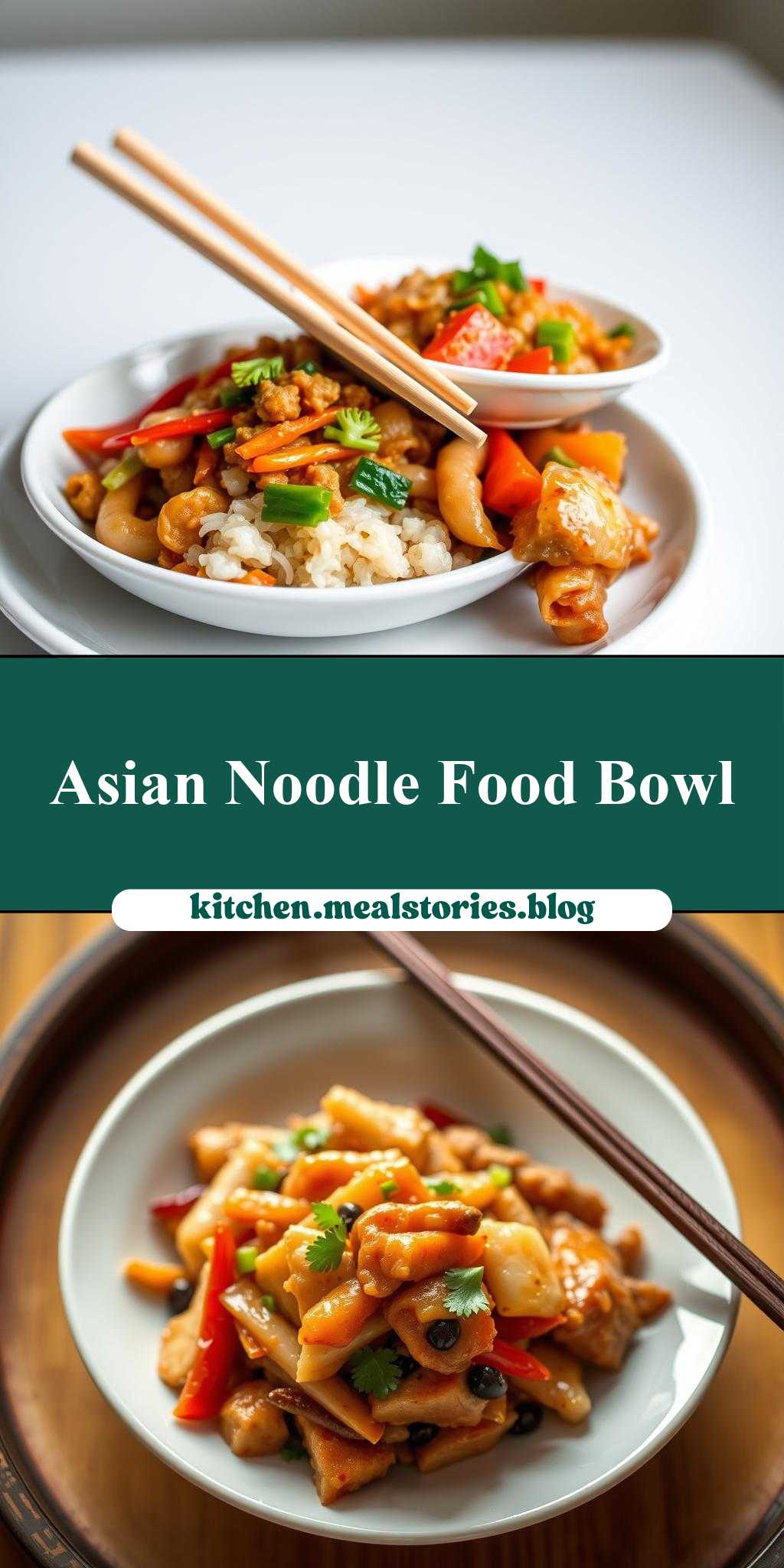
What makes a perfect homemade weeknight dinner? For me, it’s all about quick and easy recipes that feature fresh ingredients like tender chicken and steamed vegetables, all made possible with simple stir-frying methods. Save this idea for a family favorite meal that is sure to please everyone, try it soon and enjoy the delicious flavors of a homemade meal.
two plates filled with food and chopsticks on top of each other in front of the
Introduction
Imagine a dish so elegantly simple, yet bursting with flavor and creativity, that it becomes the centerpiece of any meal. Welcome to our recipe for a stunning presentation of two plates filled with food and chopsticks on top of each other, placed in front of a beautifully set table. This recipe is all about ease, flavor, and the art of presentation using everyday ingredients. It’s perfect for special occasions or everyday meals, showcasing how a little creativity can turn a simple meal into a memorable experience. With this dish, you’ll learn how to balance flavors, textures, and aesthetics, making it a must-try for anyone looking to elevate their dining experience.
Why This Works
- Flavor balance and ingredient accessibility: This dish works because it combines accessible ingredients in a way that creates a harmonious balance of flavors. Each component, from the base ingredients to the garnishes, is chosen for its contribution to the overall taste experience.
- Ease of preparation: One of the most appealing aspects of this recipe is its simplicity. With straightforward steps and minimal preparation time, it’s ideal for both beginners and experienced cooks looking for a quick yet impressive dish.
- Impressive results with minimal effort: The true magic of this dish lies in its ability to transform simple ingredients into a visually stunning and delicious meal. The layering of flavors and textures, combined with the unique presentation, ensures that the final result is far more impressive than the sum of its parts.
Key Ingredients
The main ingredients for this dish include a variety of colorful vegetables (such as bell peppers, carrots, and broccoli), protein sources like chicken or tofu, and staples like rice or noodles. For added flavor, we recommend using a mix of soy sauce, olive oil, and herbs like basil or cilantro. Practical substitutions can be made based on dietary preferences or ingredient availability, such as swapping chicken for tofu or using quinoa instead of rice. The key is to maintain a balance of flavors, textures, and colors to create a visually appealing and satisfying meal.
Instructions
- Step 1: Begin by preparing your ingredients. Chop the vegetables into bite-sized pieces, slice the protein into thin strips, and cook the rice or noodles according to the package instructions. This step is crucial as it sets the foundation for the rest of the dish.
- Step 2: Cook the protein and vegetables in a pan with some olive oil, soy sauce, and herbs until they are tender and lightly browned. This step combines the flavors and textures of the main ingredients, creating the base of the dish.
- Step 3: Layer the cooked ingredients over the rice or noodles on each plate. Start with a base layer, add the protein and vegetables, and finish with a garnish of fresh herbs or a sprinkle of sesame seeds. This layering process is where the dish comes together, both in terms of flavor and presentation.
- Step 4: Place the two plates on top of each other, with chopsticks resting on top. This unique presentation adds a touch of elegance and whimsy to the dish, making it perfect for special occasions or as a centerpiece for a family dinner.
Handy Tips
- For a more vibrant presentation, consider the colors of the ingredients and try to include a variety of hues on each plate. This not only makes the dish more appealing but also ensures a balanced nutrient intake.
- When cooking the protein and vegetables, stir-fry them quickly over high heat to preserve their crunch and color. This technique, known as “flash cooking,” helps retain the natural flavors and textures of the ingredients.
- Experiment with different seasonings and sauces to find the flavor combination that you enjoy the most. This could range from a simple soy sauce and ginger mix to a more complex sauce made with hoisin sauce, garlic, and chili flakes.
Heat Control
If you’re cooking ingredients as part of this recipe, ideal heat control is crucial. For stir-frying, use high heat to quickly cook the ingredients while preserving their texture and color. For cooking rice or noodles, follow the package instructions for the correct water ratio and cooking time. Signs of doneness include the rice being fluffy and separate, noodles being al dente, and protein being cooked through without being overcooked.
Crunch Factor
Achieving the right texture, particularly a desirable crunch, can elevate this dish. This can be accomplished by not overcooking the vegetables and adding crunchy elements like toasted nuts, seeds, or crispy fried onions on top of the dish. The combination of soft, fluffy rice or noodles, tender protein, crunchy vegetables, and the added texture of nuts or seeds creates a satisfying and engaging eating experience.
Pro Kitchen Tricks
- Use a variety of ingredients to add depth and interest to the dish. This could include different types of protein, a range of colorful vegetables, and various grains or starches.
- Invest in a good set of knives and learn basic knife skills. Being able to chop ingredients efficiently and evenly can make a significant difference in the preparation time and the final presentation of the dish.
- Don’t underestimate the power of garnishes. Fresh herbs, edible flowers, or even a simple sprinkle of sesame seeds can add a pop of color and freshness to the dish, enhancing both its visual appeal and flavor.
Storage Tips
- For leftover storage, consider separating the components of the dish to prevent sogginess. Store the cooked rice or noodles, protein, and vegetables in separate containers in the refrigerator for up to 3 days.
- Reheating can be done in the microwave or on the stovetop. Add a splash of water or broth to prevent drying out, especially when reheating rice or noodles.
- The shelf life of the dish depends on the ingredients used. Generally, cooked meals can be safely stored in the refrigerator for 3 to 5 days. Always check the leftovers for signs of spoilage before consuming.
Gift Packaging Ideas
If you’re considering gifting this dish, presentation is key. Use decorative plates or bowls, and garnish with fresh herbs or flowers. For a more rustic appeal, consider using wooden plates or bowls. Adding a pair of chopsticks and a small note with cooking or reheating instructions can make the gift more personal and thoughtful.
Flavor Variations
- Different spices: Experiment with various spice blends or individual spices to change the flavor profile. For example, adding cumin and chili powder can give the dish a Mexican twist, while using curry powder can lean towards Indian flavors.
- Creative toppings: Add creativity with toppings such as pickled ginger, wasabi, or sriracha for a spicy kick. Other options include toasted coconut flakes, crispy bacon, or a dollop of sour cream.
- Ingredient swaps: Swap chicken for beef, tofu, or tempeh for different textures and flavors. Similarly, changing the type of rice or noodles can alter the dish’s character, such as using cauliflower rice for a low-carb option or soba noodles for a nuttier flavor.
Troubleshooting
- Texture problems: If the dish becomes too soggy, try adding more crunchy elements or serving it immediately after preparation. For dryness, add a bit more sauce or broth.
- Ingredient replacements: When substituting ingredients, consider their cooking times and textures to ensure the dish remains balanced. For example, if swapping broccoli for carrots, adjust the cooking time as carrots take longer to become tender.
- Over/undercooking signs: Pay attention to the doneness of each component. Overcooked protein can be tough, while undercooked can be unsafe. Vegetables should be tender but still crisp, and grains should be cooked but not mushy.
FAQs
- Can I freeze it? Yes, most components of this dish can be frozen, but it’s best to freeze them separately to maintain texture and flavor. Cooked rice, noodles, and protein can be frozen for up to 3 months, while vegetables are best used fresh or frozen raw.
- Is it gluten-free? This depends on the ingredients used. If using gluten-free soy sauce and ensuring that the protein and grain sources are gluten-free, then yes, this dish can be gluten-free.
- Can I double the recipe? Absolutely, this recipe can be easily doubled or tripled for larger gatherings. Just ensure you have enough ingredients and adjust the cooking time slightly for larger quantities.
Conclusion
This recipe for two plates filled with food and chopsticks on top of each other in front of a beautifully set table is more than just a meal; it’s an experience. It combines the simplicity of everyday ingredients with the elegance of presentation, making it perfect for both special occasions and everyday dining. With its emphasis on flavor balance, texture variety, and aesthetic appeal, this dish is sure to impress. Feel free to experiment with different ingredients and presentation styles to make it your own, and don’t hesitate to share your creations with friends and family. Happy cooking!