
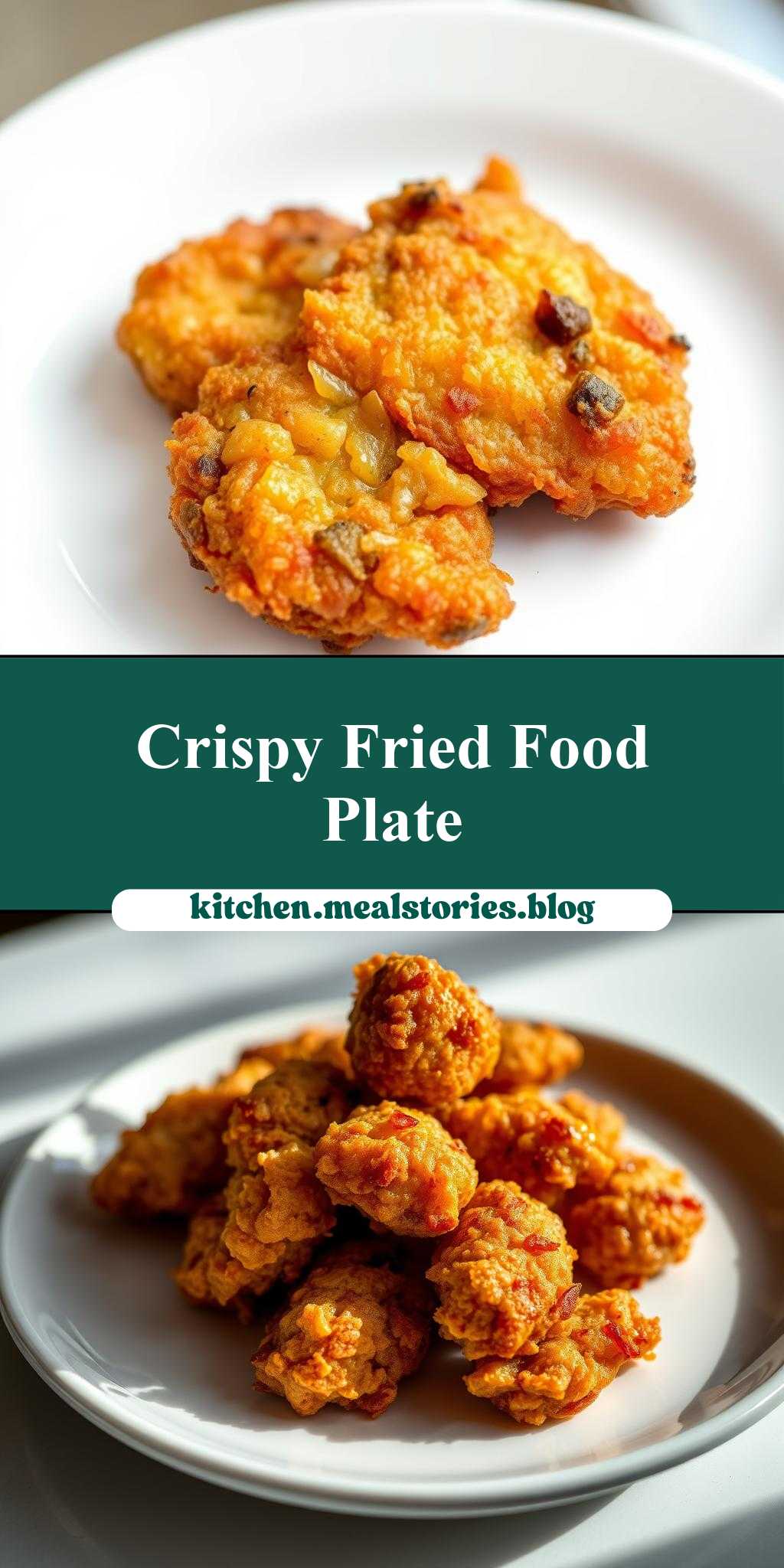
What makes the perfect comfort food plate? For me, it’s all about crispy fried goodness, like this easy homemade chicken served with a side of fluffy mashed potatoes, perfect for a quick weeknight dinner. Save this idea
some fried food is on a white plate
Introduction
Imagine a dish so simple, yet so divine, that it can elevate any meal into a culinary masterpiece. Welcome to the world of crispy, golden, and irresistible fried food, perfectly presented on a pristine white plate. This recipe is all about embracing the ease, flavor, and creativity that everyday ingredients can offer. With just a few basic components and some straightforward steps, you’ll be able to create a dish that not only satisfies your cravings but also impresses your family and friends with its sheer simplicity and deliciousness.
Why This Works
- Flavor balance and ingredient accessibility: The beauty of this recipe lies in its ability to balance flavors using ingredients that are easily accessible in most kitchens. This ensures that the dish is not only delicious but also practical for everyday cooking.
- Ease of preparation: One of the standout features of this recipe is how easy it is to prepare. With minimal prep time and straightforward cooking instructions, it’s perfect for busy days or when you’re in the mood for something quick and satisfying.
- Impressive results with minimal effort: Despite its simplicity, the end result is surprisingly impressive. The combination of crispy fried food against the clean backdrop of a white plate is visually appealing and sure to garner compliments.
Key Ingredients
The main ingredients for this dish include a selection of your favorite fried foods—this could be anything from crispy chicken strips, onion rings, to fried pickles. The key is to choose items that you enjoy and that will provide a good mix of textures and flavors. Additionally, you’ll need a neutral oil for frying, such as canola or vegetable oil, and any desired seasonings or sauces for added flavor. Practical substitutions can be made based on dietary preferences or ingredient availability, such as using baked alternatives for a healthier twist or swapping out ingredients to accommodate vegetarian or vegan diets.
Instructions
- Step 1: Begin by preparing your ingredients. This includes cutting or shaping your chosen fried foods into desired forms, measuring out the appropriate amount of oil, and having any seasonings or sauces ready.
- Step 2: Heat the oil in a deep frying pan or a deep fryer to the ideal temperature for frying, usually around 350°F. Once the oil is hot, carefully add your prepared foods in batches if necessary, to avoid overcrowding the pan.
- Step 3: Cook the fried foods until they are golden brown and crispy. The exact cooking time will depend on what you’re frying, but as a general rule, it should take about 3-5 minutes per side. Use a thermometer to ensure the food reaches a safe internal temperature.
- Step 4: Once cooked, remove the fried foods from the oil with a slotted spoon and place them on a paper towel-lined plate to drain any excess oil. Season with salt or any other desired seasonings immediately. Finally, arrange your crispy fried delights on a white plate and serve hot, possibly with a side of your favorite dipping sauce.
Handy Tips
- Always use fresh oil for frying to prevent any off flavors. If reusing oil, make sure it’s cooled completely and filtered before storing it in the fridge for later use.
- Don’t overcrowd the frying pan, as this can lower the oil temperature and result in greasy or undercooked food. Fry in batches if necessary.
- For an extra crispy coating, try chilling your foods in the fridge for about 30 minutes before frying. This helps the coating adhere better to the food.
Heat Control
Heat control is crucial when it comes to frying. The ideal temperature for most fried foods is between 325°F and 375°F. If the oil is too hot, the outside will burn before the inside is fully cooked. Conversely, if the oil is not hot enough, the food will absorb too much oil and be greasy. Use a thermometer to monitor the temperature, and never leave frying unattended.
Crunch Factor
Achieving the perfect crunch is what sets great fried food apart from the good. The key to a satisfying crunch is not overcooking the food and ensuring the oil is at the right temperature. Additionally, using the right batter or coating can make a big difference. For example, a light dusting of flour or a crispy beer batter can add texture and crunch to your fried foods.
Pro Kitchen Tricks
- For less mess, line your workspace with paper or a silicone mat before starting to fry. This makes cleanup much easier.
- Use a splatter guard when frying to protect yourself and your kitchen from hot oil splatters.
- Experiment with different seasonings and herbs to add unique flavors to your fried foods. This could be anything from garlic powder and paprika to dried herbs like thyme or rosemary.
Storage Tips
- If you have leftovers, the best way to store fried foods is in an airtight container in the fridge. They can be reheated in the oven or microwave when you’re ready to eat them again.
- For reheating, try using the oven instead of the microwave for better texture retention. Simply place the fried foods on a baking sheet lined with parchment paper and heat at 350°F for about 10-15 minutes, or until crispy and hot.
- Fried foods are best consumed fresh, but they can typically be safely stored in the fridge for up to 3 days.
Gift Packaging Ideas
If you’re considering gifting your fried food creations, presentation is key. Consider packaging them in decorative paper cones or boxes lined with wax paper. You can also add a personal touch with ribbons or a handwritten note. For a more rustic look, use brown paper bags or wrap the food in newspaper for a fun, casual vibe. Don’t forget to include a side of your favorite dipping sauce for an extra-special touch.
Flavor Variations
- Different spices: Experiment with various spice blends to give your fried foods unique flavors. For example, cumin and chili powder for a Mexican-inspired taste or garlic and ginger for an Asian-style flavor.
- Creative toppings: Add some extra flavor and texture with creative toppings. This could be anything from diced onions and sour cream to grilled cheese crumbles or chopped fresh herbs.
- Ingredient swaps: Don’t be afraid to swap out ingredients to change up the flavor profile. This could mean using different types of meat, such as chicken, beef, or pork, or experimenting with vegetarian options like tofu or portobello mushrooms.
Troubleshooting
- Texture problems: If your fried foods turn out too greasy, it might be because the oil wasn’t hot enough. On the other hand, if they’re too dry, they might have been overcooked. Adjust your cooking time and temperature as needed.
- Ingredient replacements: If you find yourself without a certain ingredient, don’t hesitate to get creative with substitutions. Just remember, the flavor and texture might be slightly different.
- Over/undercooking signs: Keep an eye on your food as it cooks. If it’s frying too quickly, it might be because the oil is too hot, and if it’s taking too long, the oil might not be hot enough. Adjust the heat as necessary, and always use a thermometer for the best results.
FAQs
- Can I freeze it? Yes, most fried foods can be frozen after they’ve cooled completely. Simply place them in an airtight container or freezer bag and store in the freezer for up to 2 months. Reheat in the oven when you’re ready to eat them.
- Is it gluten-free? Depending on the ingredients used, especially the batter or coating, the fried foods might not be gluten-free. Be sure to use gluten-free alternatives if necessary.
- Can I double the recipe? Absolutely, this recipe can be easily doubled or tripled to feed a larger crowd. Just be sure to fry in batches to avoid overcrowding the pan.
Conclusion
With these simple steps and handy tips, you’re well on your way to creating a dish that’s not only delicious but also visually appealing. The beauty of fried food on a white plate lies in its simplicity and the endless possibilities for creativity and variation. Whether you’re a seasoned chef or a beginner in the kitchen, this recipe is sure to become a favorite. So go ahead, experiment with different ingredients, seasonings, and presentation ideas, and don’t hesitate to share your creations with friends and family. Happy cooking!