
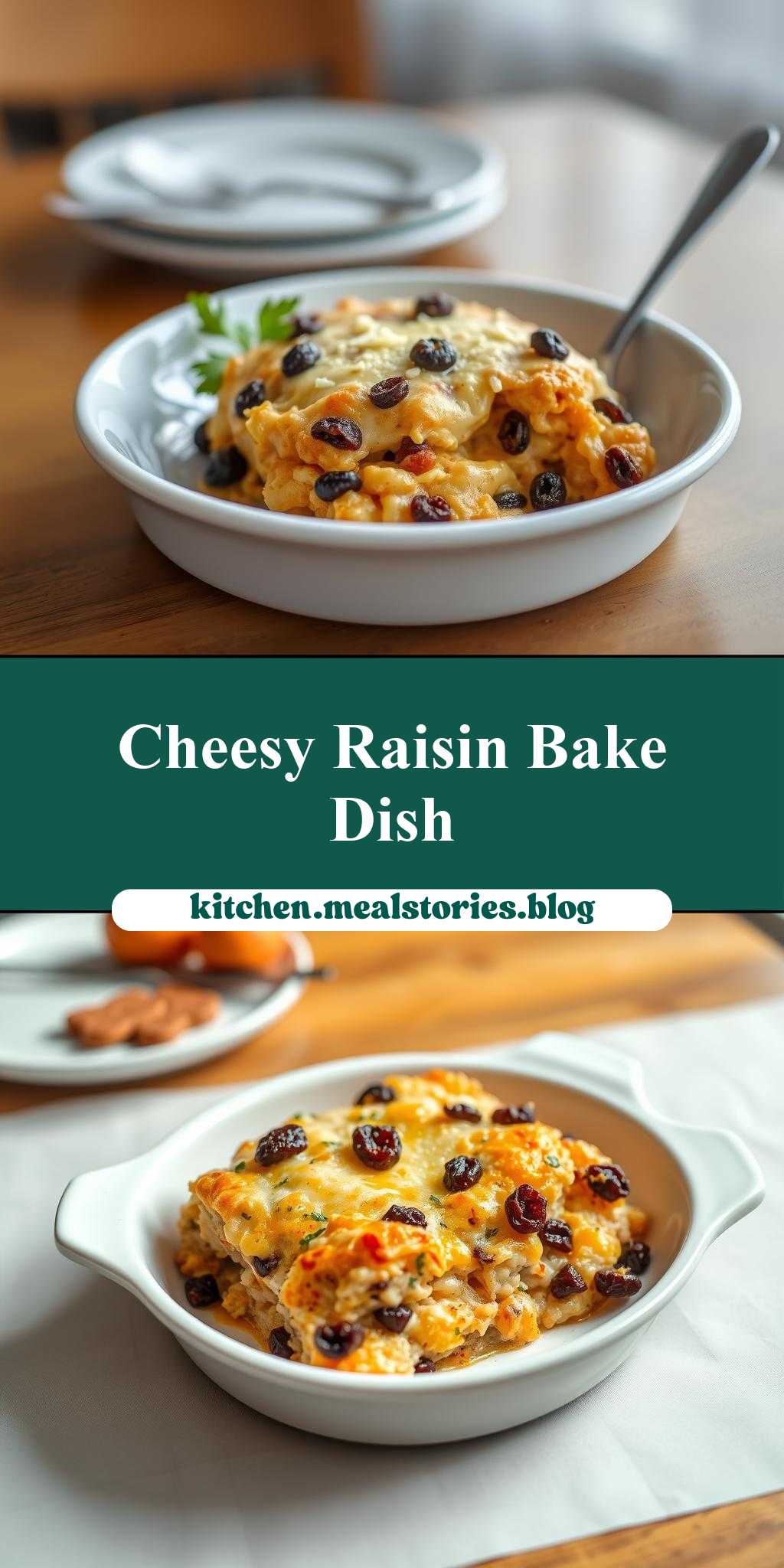
What makes a casserole truly unforgettable? The combination of sweet raisins and melted cheese is a game changer in this easy homemade dish, perfect for a weeknight dinner. Save this idea for a family favorite recipe to enjoy later.
a casserole with raisins and cheese in a white dish on a table
Introduction
This delightful casserole with raisins and cheese is a true masterpiece of comfort food, combining the sweetness of raisins with the savory richness of cheese, all perfectly balanced in a dish that’s as easy to prepare as it is impressive to serve. The beauty of this recipe lies in its simplicity, using everyday ingredients to create a dish that’s not only delicious but also visually appealing, perfect for serving at family gatherings or casual dinners with friends. The raisins add a natural sweetness and chewy texture, while the cheese binds everything together with its creamy, velvety smoothness. Whether you’re a seasoned chef or a beginner in the kitchen, this casserole is sure to become a favorite, offering endless possibilities for creativity and experimentation with different flavors and ingredients.
Why This Works
- Flavor balance and ingredient accessibility: The combination of raisins and cheese offers a unique flavor profile that’s both sweet and savory, making it appealing to a wide range of tastes. Moreover, the ingredients are easily accessible in most supermarkets, making this dish practical for anyone to make.
- Ease of preparation: Despite its impressive presentation, this casserole is surprisingly easy to prepare. The steps are straightforward, and the ingredients require minimal processing, making it a go-to option for busy days or when you need a dish that can be prepared ahead of time.
- Impressive results with minimal effort: One of the most appealing aspects of this recipe is the contrast between the effort you put in and the impressive results you get. With just a few simple steps, you can create a dish that looks and tastes like it came from a professional kitchen, perfect for impressing guests or satisfying your family’s cravings for something special.
Key Ingredients
The main ingredients in this casserole include raisins, cheese, pasta or rice (depending on the base you prefer), vegetables like onions and bell peppers for added flavor and nutrition, and a mix of spices to enhance the overall taste. For the cheese, you can use a combination of cheddar and mozzarella for a rich, creamy effect. Raisins can be substituted with cranberries or cherries for a different twist, and if you prefer a gluten-free option, you can easily swap traditional pasta with gluten-free alternatives. The versatility of these ingredients allows for numerous substitutions and variations, making this recipe adaptable to different dietary needs and preferences.
Instructions
- Step 1: Begin by preheating your oven to 375°F (190°C). While the oven is warming up, cook your pasta or rice according to the package instructions until it’s al dente. Drain and set it aside. Chop the onions and bell peppers into small pieces and sauté them in a bit of olive oil until they’re tender and lightly browned.
- Step 2: In a large mixing bowl, combine the cooked pasta or rice, sautéed vegetables, raisins, and shredded cheese. Mix well to ensure all the ingredients are evenly distributed. Add your preferred spices and seasonings to taste, mixing again to combine.
- Step 3: In a greased 9×13 inch baking dish, create a layer of the pasta or rice mixture. You can then add additional layers, such as more cheese, vegetables, or even a can of condensed cream of chicken soup for extra moisture and flavor. Repeat this process until all your ingredients are used up, finishing with a layer of cheese on top.
- Step 4: Place the casserole in the oven and bake for about 25-30 minutes, or until the top layer of cheese is melted and bubbly. Remove it from the oven and let it cool for a few minutes before serving. You can garnish it with fresh herbs or a sprinkle of paprika for added color and flavor.
Handy Tips
- Avoid overmixing the ingredients, as this can make the casserole dense and less appealing. It’s also a good idea to not overbake, as the cheese can quickly go from perfectly melted to burnt and bitter. For an extra crunchy top, you can broil the casserole for a minute or two after baking, watching carefully to prevent burning.
Heat Control
When baking the casserole, it’s crucial to maintain the right temperature and timing. The oven should be preheated to 375°F (190°C), and the casserole should bake for 25-30 minutes. Signs of doneness include a melted, bubbly top layer of cheese and a heated-through filling. If you’re unsure, you can always check the internal temperature; it should be at least 165°F (74°C) for food safety.
Crunch Factor
The crunch factor in this casserole can be achieved in a couple of ways. First, the layer of cheese on top can provide a nice, crispy texture if baked until golden brown. Additionally, you can add some crunchy elements like chopped nuts or crispy fried onions on top of the casserole before baking for an extra texture contrast. The key is to not overdo it, as too many crunchy elements can overpower the other flavors and textures in the dish.
Pro Kitchen Tricks
- One expert tip is to prepare the casserole ahead of time up to the point of baking, then refrigerate or freeze it until you’re ready to cook it. This can be a huge time-saver, especially during holidays or when you have a lot of dishes to prepare. Also, consider using a variety of cheeses for a deeper, more complex flavor profile. Mixing sharp cheddar with mozzarella and parmesan can create a rich, satisfying taste experience.
Storage Tips
- For leftovers, it’s best to store the casserole in an airtight container in the refrigerator, where it can keep for up to 3 days. For longer storage, consider freezing it. When reheating, you can use the microwave for a quick fix, but oven reheating at a lower temperature (around 300°F or 150°C) can help preserve the textures and flavors better. Always check the casserole for any signs of spoilage before consuming, such as an off smell or slimy texture.
Gift Packaging Ideas
If you’re considering gifting this casserole, a thoughtful presentation can make it an even more special gesture. Consider baking it in a disposable aluminum pan that can be easily transferred to a gift basket or wrapped in foil and placed in a decorative tin. You can also include a jar of homemade sauce or a bag of crusty bread for a complete meal. Adding a personal touch, like a handwritten recipe card or a small potted herb, can make the gift truly memorable.
Flavor Variations
- Different spices: Experiment with various spice blends, such as Italian seasoning, cumin for a Mexican twist, or smoked paprika for a smoky flavor.
- Creative toppings: In addition to cheese, consider other toppings like diced tomatoes, sliced olives, or a dollop of sour cream to add more flavor and texture.
- Ingredient swaps: For a vegetarian version, you could substitute the traditional protein sources with roasted vegetables or tofu. Similarly, gluten-free pasta or rice can make the dish accessible to those with gluten intolerance.
Troubleshooting
- Texture problems: If the casserole turns out too dry, it might be due to overbaking. Next time, try reducing the baking time or covering the dish with foil to prevent the top from drying out. On the other hand, if it’s too soggy, you might need to bake it for a few more minutes or use less liquid in the recipe.
- Ingredient replacements: Always consider the flavor and texture you’re trying to achieve when substituting ingredients. For example, if you’re replacing cheese, think about the melting point and flavor profile of the substitute to ensure it complements the other ingredients.
- Over/undercooking signs: Keep an eye on the casserole while it’s baking, looking for signs like a golden-brown top or the edges starting to pull away from the sides of the dish. If you’re unsure, it’s always better to err on the side of undercooking slightly, as the casserole will continue to cook a bit after it’s removed from the oven.
FAQs
- Can I freeze it? Yes, this casserole can be frozen either before or after baking. If freezing before baking, simply assemble the casserole, cover it tightly with plastic wrap or aluminum foil, and place it in the freezer. When you’re ready to bake, thaw it overnight in the refrigerator and then bake as instructed. If freezing after baking, let the casserole cool completely, then cover and freeze. Reheat in the oven or microwave when needed.
- Is it gluten-free? This depends on the ingredients you use. Traditional pasta contains gluten, but you can easily substitute it with gluten-free pasta or rice to make the dish gluten-free. Always check the labels of your ingredients to ensure they meet your dietary requirements.
- Can I double the recipe? Yes, you can double or even triple this recipe if you’re serving a larger crowd. Just keep in mind that you’ll need to adjust the baking time accordingly. A larger casserole might need an additional 10-20 minutes in the oven, so keep an eye on it to prevent overcooking.
Conclusion
This casserole with raisins and cheese is a versatile and delicious addition to any meal, offering a unique blend of flavors and textures that’s sure to please even the pickiest eaters. With its ease of preparation, impressive presentation, and endless possibilities for variation, it’s a recipe that you’ll return to again and again. Whether you’re a fan of sweet and savory combinations or just looking for a new twist on traditional comfort food, this casserole is a must-try. So go ahead, get creative with the ingredients, and enjoy the process of cooking and sharing this wonderful dish with your loved ones.