
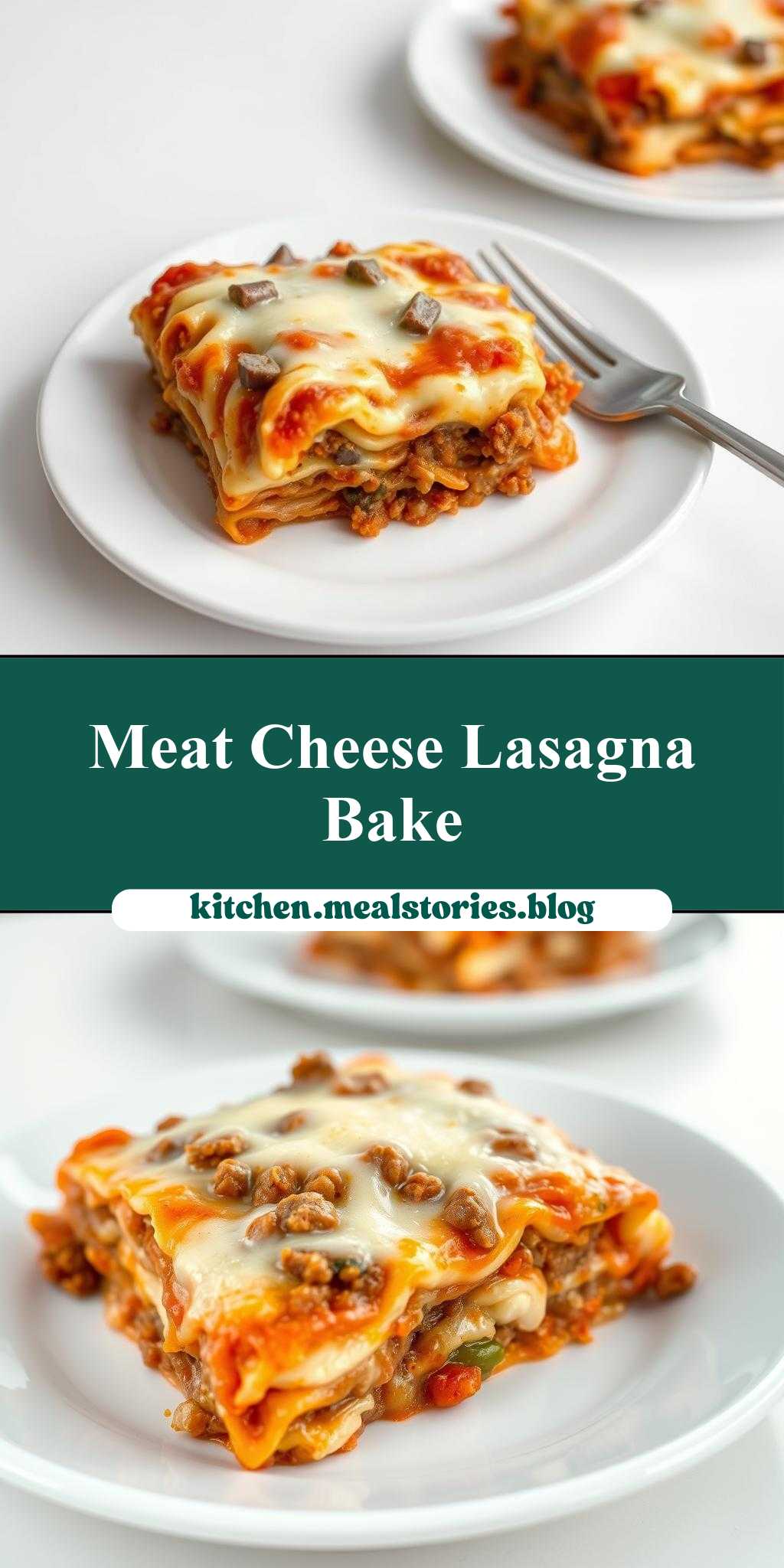
What makes the perfect weeknight dinner? A hearty homemade lasagna casserole loaded with ground beef and melted mozzarella cheese, that’s what. Rich flavors, easy to make, and a family favorite. Save this idea for a quick and satisfying meal solution.
two white plates topped with lasagna casserole covered in meat and cheese
Introduction
Imagine a dish that is both a staple of comfort food and a masterpiece of flavor and texture, all wrapped up in a package that’s incredibly easy to make and customize. The lasagna casserole, topped with a rich layer of meat and cheese, is more than just a meal – it’s an experience. By combining everyday ingredients in a creative way, you can produce a culinary delight that will satisfy even the most discerning palates. This recipe is all about balance, simplicity, and the joy of cooking, making it perfect for family dinners, special occasions, or even a quiet night in. So, let’s dive into the world of layered pasta, savory meats, and melted cheese, and explore how to make this dish a reality in your own kitchen.
Why This Works
- Flavor balance and ingredient accessibility: The key to a great lasagna is finding the right balance between the flavors of the pasta, the meat sauce, and the cheese. This recipe uses common ingredients that are easily found in most supermarkets, making it accessible to everyone.
- Ease of preparation: Despite its impressive appearance, this lasagna casserole is surprisingly easy to prepare. The steps are straightforward, and the ingredients are simple to work with, even for those who are new to cooking.
- Impressive results with minimal effort: One of the best things about this recipe is the wow factor it brings to the table without requiring hours of intricate preparation. The layers of pasta, meat sauce, and cheese create a visually appealing dish that’s sure to impress, whether you’re serving family or guests.
Key Ingredients
The foundation of a great lasagna casserole is in its ingredients. You will need lasagna noodles, a rich meat sauce (which can be made with ground beef, pork, or a combination of the two), ricotta cheese, mozzarella cheese, parmesan cheese, and fresh basil. For the meat sauce, you can also add onions, garlic, and a can of diced tomatoes for extra flavor. Practical substitutions can be made based on dietary preferences or what’s available in your pantry. For example, you can use gluten-free lasagna noodles for those with gluten intolerance, or substitute the ground beef with sautéed mushrooms for a vegetarian option.
Instructions
- Step 1: Begin by preheating your oven to 375°F (190°C). While the oven is heating up, cook your lasagna noodles according to the package instructions until they are al dente. Drain and set them aside. This step is crucial as it ensures your noodles have the right texture for layering.
- Step 2: Prepare your meat sauce. In a large skillet, heat a couple of tablespoons of olive oil over medium heat. Add diced onions and cook until they are translucent, then add minced garlic and cook for another minute. Add the ground beef, breaking it up with a spoon as it cooks, until it is no longer pink. Then, add a can of diced tomatoes, salt, and pepper, and let the sauce simmer for at least 20 minutes, stirring occasionally, while you prepare the cheese mixture.
- Step 3: In a large bowl, combine ricotta cheese, mozzarella cheese, parmesan cheese, and a sprinkle of salt and pepper. Mix well until all the ingredients are fully incorporated. This cheese mixture will add a creamy layer to your lasagna. Now, it’s time to start layering. In a 9×13 inch baking dish, spread a layer of the meat sauce on the bottom. Arrange 4 lasagna noodles on top of the sauce, then spread half of the ricotta cheese mixture over the noodles. Sprinkle with half of the shredded mozzarella cheese. Repeat the layers, starting with the meat sauce, then the noodles, the remaining ricotta mixture, and finally the remaining mozzarella cheese. Top it all off with grated parmesan cheese.
- Step 4: Cover the baking dish with aluminum foil and bake for 30 minutes. Then, remove the foil and continue baking for an additional 10-15 minutes, or until the cheese is melted and bubbly. Remove the lasagna from the oven and let it rest for 10-15 minutes before slicing and serving. This resting time allows the juices to redistribute, making each bite full of flavor.
Handy Tips
- One of the most helpful tips for making a great lasagna is to not overcook the noodles. Al dente is key because the noodles will continue to cook a bit in the oven. Also, make sure to let the lasagna rest before serving, as this will help the layers to set and make it easier to slice and serve.
Heat Control
Heat control is crucial when making lasagna. The oven should be preheated to 375°F (190°C), and the lasagna should be covered with foil for the first 30 minutes to prevent the top from burning. After removing the foil, keep an eye on the lasagna to ensure the cheese doesn’t get too brown. The dish is done when the cheese is melted, bubbly, and slightly golden brown on top.
Crunch Factor
The crunch factor in lasagna typically comes from the top layer of cheese and any additional toppings you might choose, such as toasted breadcrumbs or chopped nuts. To achieve a nice crunch, make sure the top layer of cheese is exposed to the oven’s heat for enough time to melt and slightly brown. You can also broil the lasagna for a minute or two at the end of cooking to get a crispy top, but be careful not to burn it.
Pro Kitchen Tricks
- To avoid the layers of lasagna from becoming soggy, make sure to not overcook the noodles and to drain them well. Also, using a mixture of mozzarella, parmesan, and ricotta cheese helps to balance the moisture content in the dish.
- For an extra rich flavor, you can add a layer of caramelized onions or sautéed mushrooms to the lasagna.
Storage Tips
- Leftover lasagna can be stored in the refrigerator for up to 3 days. It’s best to store it in an airtight container to keep it fresh. For reheating, you can use the microwave or oven. If using the microwave, cover the lasagna with a microwave-safe plastic wrap to avoid drying out. If reheating in the oven, cover the dish with foil and heat at 350°F (180°C) until warmed through.
- Lasagna can also be frozen for up to 3 months. It’s best to freeze it before baking, as this helps preserve the texture of the noodles. When you’re ready to eat it, thaw the frozen lasagna overnight in the refrigerator and then bake it as instructed.
Gift Packaging Ideas
If you’re considering gifting your lasagna, perhaps to a new neighbor or a friend in need of a meal, there are several creative ways to package it. You can bake the lasagna in a disposable aluminum pan, which makes it easy to transport and serve. Wrap the pan in aluminum foil and then in a colorful towel or gift wrap, and add a ribbon or a gift card with heating instructions. Another idea is to portion out individual servings into microwave-safe containers, which can be reheated as needed.
Flavor Variations
- Different spices: You can add various spices to the meat sauce to give it a unique flavor. For example, a pinch of cumin and chili powder can give it a Mexican twist, while oregano and basil can enhance the Italian flavors.
- Creative toppings: Consider adding some creative toppings to your lasagna before baking, such as sliced olives, artichoke hearts, or roasted bell peppers, to add more flavor and texture.
- Ingredient swaps: Feel free to experiment with different types of cheese, such as goat cheese or feta, for a tangy twist. You can also use different types of meat or go for a vegetarian option by substituting the meat with sautéed spinach and mushrooms.
Troubleshooting
- Texture problems: If your lasagna turns out too dry, it might be because the cheese didn’t melt properly or the noodles were overcooked. On the other hand, if it’s too soggy, it could be due to undercooked noodles or too much sauce.
- Ingredient replacements: If you find yourself missing an ingredient, don’t panic. There are usually substitutions you can make. For example, if you don’t have ricotta cheese, you can make a substitute by mixing together cottage cheese, eggs, and spices.
- Over/undercooking signs: Keep an eye on your lasagna while it’s baking. If the top starts to brown too quickly, cover it with foil to prevent burning. If the cheese isn’t melted and bubbly after the recommended baking time, give it a few more minutes and check again.
FAQs
- Can I freeze it? Yes, lasagna can be frozen for up to 3 months. It’s best to freeze it before baking.
- Is it gluten-free? Traditional lasagna noodles contain gluten, but you can easily make this recipe gluten-free by using gluten-free noodles.
- Can I double the recipe? Yes, you can double the recipe if you’re serving a larger crowd. Just keep in mind that you might need to adjust the baking time slightly.
Conclusion
Making a lasagna casserole covered in meat and cheese is a rewarding culinary experience that combines simplicity with impressive results. By following this recipe and experimenting with your own flavor variations, you can create a dish that’s not only delicious but also visually appealing. Whether you’re a seasoned chef or just starting out in the kitchen, this recipe is sure to become a favorite. So, don’t be afraid to get creative, share your masterpiece with friends and family, and enjoy the process of cooking a meal that brings people together.