
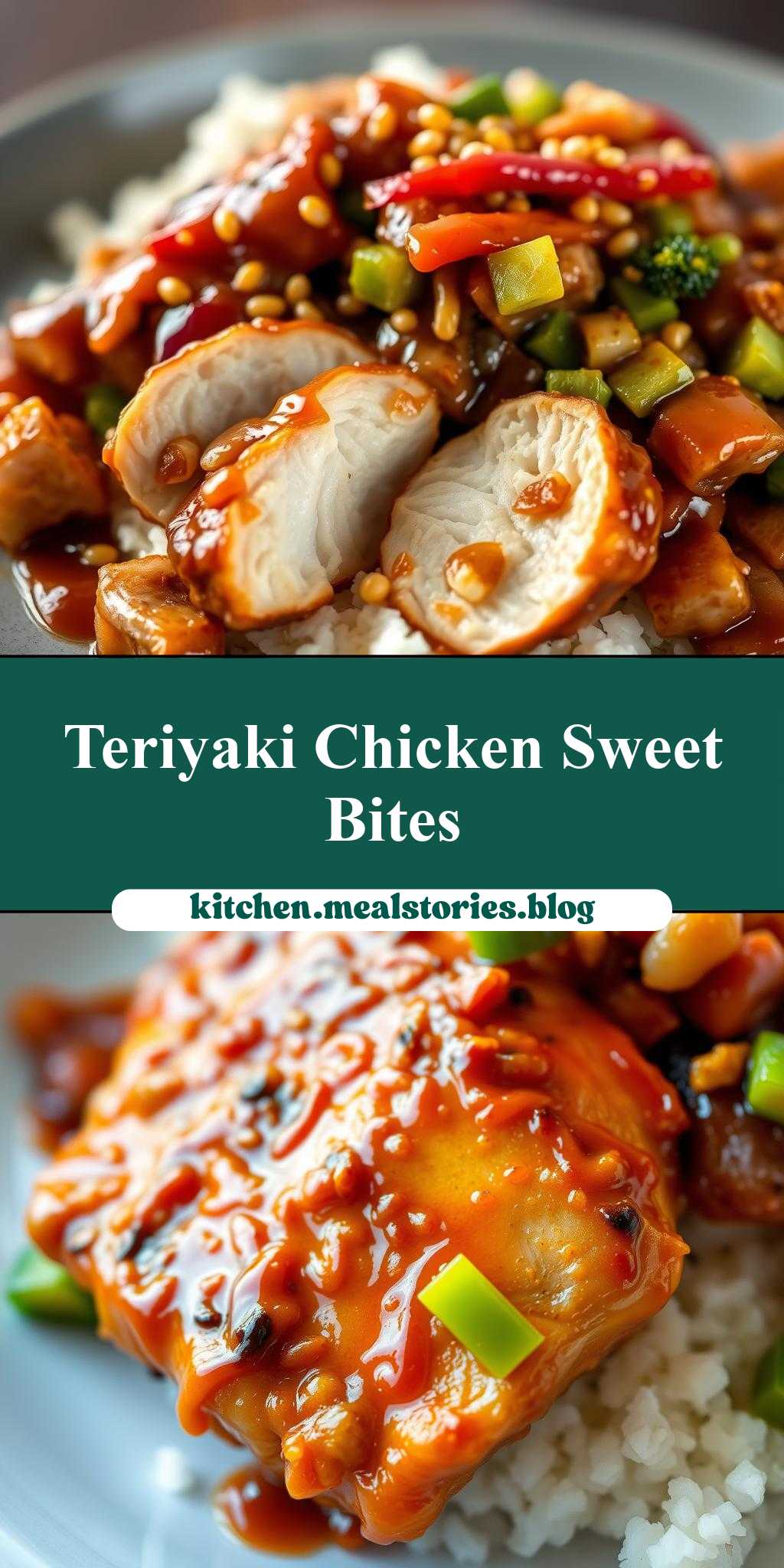
What makes a weeknight dinner truly unforgettable? For me, it’s the sweet and savory flavors of Hawaiian style teriyaki chicken, made easy with homemade sauce and grilled to perfection. This quick and easy family favorite recipe relies on simple ingredients like juicy chicken breasts and fresh pineapple. Save this idea for your next homemade dinner inspiration and try it soon
HAWAIIAN STYLE TERIYAKI CHICKEN
Introduction
Imagine a dish that encapsulates the vibrant flavors of Hawaii, with the ease of preparation that fits perfectly into your busy lifestyle. The Hawaiian Style Teriyaki Chicken is a culinary masterpiece that achieves this balance, offering a burst of tropical flavors with each bite. This recipe is a testament to the creativity that can be unleashed with everyday ingredients, turning a simple chicken dish into an unforgettable experience. The beauty of this recipe lies in its accessibility, requiring minimal effort for impressive results that will leave your family and friends in awe.
Why This Works
- Flavor balance and ingredient accessibility: The combination of teriyaki sauce, pineapple, and traditional spices creates a harmonious balance of sweet, savory, and tangy flavors. Moreover, the ingredients are easily found in most supermarkets, making this dish highly accessible.
- Ease of preparation: The steps involved are straightforward and simple, requiring basic cooking skills. This makes it an ideal recipe for beginners and seasoned cooks alike, ensuring that anyone can enjoy the delightful flavors of Hawaii.
- Impressive results with minimal effort: Despite the simplicity of the preparation, the end result is nothing short of impressive. The dish presents beautifully, with the glazed chicken and accompanying vegetables making for a visually appealing meal that’s perfect for both everyday dining and special occasions.
Key Ingredients
The foundation of the Hawaiian Style Teriyaki Chicken recipe includes boneless, skinless chicken breasts, teriyaki sauce, olive oil, garlic, ginger, bell peppers, onions, and pineapple chunks. For those looking for practical substitutions, chicken thighs can be used instead of breasts for a juicier outcome, and other colorful bell peppers can add variety to the dish. Additionally, fresh pineapple can be substituted with canned pineapple rings in a pinch, though fresh always adds a brighter, more vibrant flavor.
Instructions
- Step 1: Begin with preparation. Chop the bell peppers and onions into bite-sized pieces. Mince the garlic and ginger, as they will form the aromatic base of the dish. Cut the chicken into strips or bite-sized pieces to ensure even cooking.
- Step 2: Cook the base ingredients. In a large skillet or wok, heat a couple of tablespoons of olive oil over medium-high heat. Add the minced garlic and ginger and sauté until fragrant, taking care not to burn them. Then, add the chicken and cook until it’s browned and cooked through, removing it from the skillet once done.
- Step 3: Layer flavors or textures. In the same skillet, add a bit more oil if necessary, then sauté the chopped bell peppers and onions until they’re tender-crisp. Add the pineapple chunks and cook for another minute, allowing the flavors to meld together. Pour in the teriyaki sauce and bring it to a simmer, letting it reduce slightly to thicken.
- Step 4: Final touches and plating. Return the cooked chicken to the skillet, tossing everything together to coat the chicken evenly with the teriyaki sauce and mix with the vegetables and pineapple. Serve hot over rice, garnished with green onions and sesame seeds for a pop of color and added flavor.
Handy Tips
- For an added crunch, toasted sesame seeds and chopped scallions make excellent garnishes. If you’re looking for substitutions, especially for those with dietary restrictions, consider using gluten-free teriyaki sauce or making your own from scratch with gluten-free soy sauce and other ingredients.
Heat Control
Heat control is crucial in this recipe, especially when cooking the chicken and reducing the teriyaki sauce. For the chicken, aim for a medium-high heat to achieve a nice brown, then reduce the heat to medium to cook through without burning the exterior. When reducing the teriyaki sauce, maintain a simmer to avoid burning the sauce, stirring occasionally. The ideal internal temperature for cooked chicken is 165°F (74°C), ensuring food safety without overcooking.
Crunch Factor
The crunch factor in this dish comes from the sesame seeds and the slightly caramelized exterior of the chicken and vegetables. To achieve this, don’t overcook the bell peppers and onions; they should retain a bit of crunch. The toasted sesame seeds add a satisfying crunch on top of the dish. For an extra crispy element, consider adding some chopped nuts or seeds like peanuts or pumpkin seeds to the dish before serving.
Pro Kitchen Tricks
- One expert tip is to marinate the chicken in a mixture of teriyaki sauce, garlic, and ginger for at least 30 minutes before cooking. This step enhances the flavor penetration into the chicken, making each bite more flavorful.
- For a cleanup hack, prepare all the ingredients before starting to cook, a technique known as “mise en place.” This not only makes the cooking process smoother but also helps in cleaning as you go, reducing the overall cleanup time.
Storage Tips
- For leftovers, store the Hawaiian Style Teriyaki Chicken in an airtight container in the refrigerator for up to 3 days. Reheat gently in the microwave or on the stovetop, adding a bit of water if the sauce has thickened too much. This dish can also be frozen for up to 2 months; simply thaw overnight in the fridge before reheating.
Gift Packaging Ideas
If you’re considering gifting this dish, perhaps for a potluck or as a care package, it can be beautifully presented. Transfer the cooled chicken and vegetable mixture into a decorative jar or container, topping it with additional sesame seeds and scallions. Wrap the jar in a ribbon or place it in a gift basket filled with rice, fortune cookies, or other Asian-inspired treats for a thoughtful and delicious gift.
Flavor Variations
- Different spices: Experiment with various spices like cumin for a Mexican twist or curry powder for an Indian-inspired flavor.
- Creative toppings: Add some diced mango or peaches for a sweet and fruity twist, or sprinkle some toasted coconut flakes for a tropical vibe.
- Ingredient swaps: Use tofu or tempeh for a vegetarian or vegan version, or substitute chicken with shrimp for a seafood option.
Troubleshooting
- Texture problems: If the chicken becomes too dry, it might have been overcooked. Try adjusting the cooking time or using a meat thermometer to ensure it reaches a safe internal temperature without overcooking.
- Ingredient replacements: If you can’t find teriyaki sauce, you can make a quick substitute by mixing soy sauce, brown sugar, garlic, and ginger.
- Over/undercooking signs: Undercooked chicken will be pink and soft, while overcooked chicken will be dry and hard. Adjust cooking times as needed, and always check the internal temperature.
FAQs
- Can I freeze it? Yes, you can freeze the cooked dish for up to 2 months. Simply thaw and reheat when needed.
- Is it gluten-free? The traditional store-bought teriyaki sauce contains gluten. However, you can easily make this dish gluten-free by using gluten-free teriyaki sauce or making your own sauce from scratch with gluten-free soy sauce.
- Can I double the recipe? Absolutely, this recipe can be doubled or even tripled for larger gatherings or meal prep. Just ensure you have a large enough skillet or wok to accommodate all the ingredients.
Conclusion
The Hawaiian Style Teriyaki Chicken is a versatile and delicious dish that combines the simplicity of everyday ingredients with the vibrancy of Hawaiian flavors. Whether you’re a seasoned chef or a beginner in the kitchen, this recipe offers a rewarding culinary experience. Feel free to experiment with the flavors and ingredients, making it your own unique creation. Share it with friends and family, or enjoy it as a quiet night in; either way, the blend of sweet, savory, and tropical flavors will transport you to the islands, if only for a moment. Happy cooking, and remember, the joy of cooking lies not just in the eating, but in the sharing and the love that goes into every dish.