
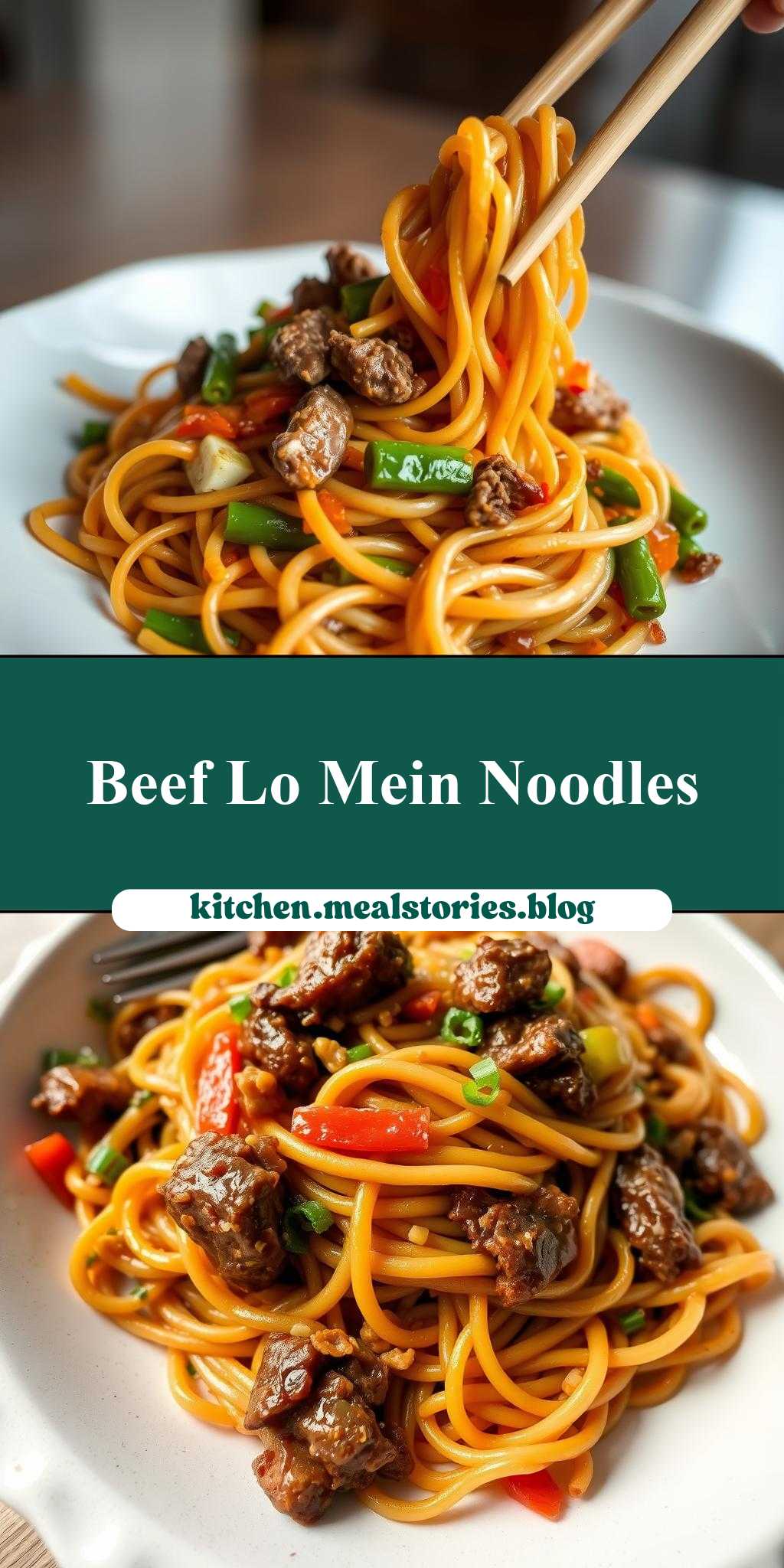
What sets a great lo mein apart from a good one – is it the tender beef or the perfect sauce. This homemade beef lo mein recipe is a quick and easy weeknight dinner solution that uses simple ingredients like fresh vegetables and savory soy sauce to create a dish that is sure to become a family favorite. Save this idea for a delicious meal anytime.
Homemade Beef Lo Mein
Introduction
Imagine a dish that combines the simplicity of everyday ingredients with the excitement of exotic flavors, all wrapped up in a creative and easy-to-make package. Welcome to the world of Homemade Beef Lo Mein, where the familiar comfort of a homemade meal meets the adventurous spirit of international cuisine. This recipe is designed to delight your taste buds and inspire your culinary creativity, using ingredients that are readily available and techniques that are straightforward to master. Whether you’re a seasoned chef or a beginner in the kitchen, Homemade Beef Lo Mein is the perfect dish to add some excitement to your meal routine.
Why This Works
- Flavor balance and ingredient accessibility: This recipe strikes a perfect balance between the savory flavor of beef, the slight crunch of vegetables, and the soft texture of noodles, all made possible with ingredients that are easy to find in most supermarkets.
- Ease of preparation: Despite its impressive flavors and textures, Homemade Beef Lo Mein is surprisingly easy to prepare, requiring minimal cooking skills and effort.
- Impressive results with minimal effort: The combination of quickly cooked beef, stir-fried vegetables, and perfectly cooked noodles results in a dish that looks and tastes like it was made in a professional kitchen, but can be ready in under 30 minutes.
Key Ingredients
The key to a great Homemade Beef Lo Mein lies in the quality and freshness of its ingredients. For this recipe, you will need:
– 1 lb beef (sirloin or ribeye work well), sliced into thin strips
– 2 cups of lo mein noodles
– 2 tablespoons of vegetable oil
– 1 onion, sliced
– 2 cloves of garlic, minced
– 1 cup of mixed vegetables (such as cabbage, carrots, and bean sprouts)
– 2 tablespoons of soy sauce
– 1 tablespoon of oyster sauce (optional)
– Salt and pepper to taste
– Scallions, chopped (for garnish)
You can substitute the beef with chicken or tofu for a vegetarian option, and feel free to customize the mixed vegetables to your liking. Soy sauce and oyster sauce (if using) provide the depth of flavor that is characteristic of lo mein, but you can adjust the amounts to suit your taste preferences.
Instructions
- Step 1: Begin by preparing your ingredients. Slice the beef into thin strips and season with a pinch of salt and pepper. Cook the lo mein noodles according to the package instructions, typically by boiling them for 3-5 minutes or until they are slightly undercooked, then drain and set aside.
- Step 2: In a large skillet or wok, heat 1 tablespoon of vegetable oil over medium-high heat. Add the beef and cook until browned, about 3-4 minutes. Remove the beef from the skillet and set aside. In the same skillet, add the remaining 1 tablespoon of vegetable oil, then add the sliced onion and cook until it starts to soften, about 2 minutes. Add the minced garlic and cook for another minute, until fragrant.
- Step 3: Add the mixed vegetables to the skillet and stir-fry until they are tender-crisp, about 2-3 minutes. Return the cooked beef to the skillet, then add the cooked lo mein noodles, soy sauce, and oyster sauce (if using). Stir everything together to combine, ensuring the noodles are well coated with the sauce and the ingredients are evenly distributed.
- Step 4: Final touches and plating. Taste and adjust the seasoning as needed. Transfer the Homemade Beef Lo Mein to a serving platter or individual plates. Garnish with chopped scallions and serve immediately.
Handy Tips
- Use a high-quality soy sauce for the best flavor. If you’re gluten-free, make sure to choose a gluten-free soy sauce or tamari.
- Customize your mixed vegetables based on what’s in season and your personal preferences.
- Avoid overcooking the noodles, as they will continue to cook a bit after draining. Undercooked noodles will finish cooking when stir-fried with the other ingredients.
Heat Control
Heat control is crucial in making a great Homemade Beef Lo Mein. For stir-frying, it’s best to use medium-high heat to achieve a quick cook that preserves the texture of the ingredients. When cooking the beef, aim for a nice brown on the outside, which indicates it’s cooked to your desired level of doneness. For the vegetables, a tender-crisp texture is ideal, which can be achieved by not overcooking them. The noodles should be cooked according to the package instructions to ensure they are not overcooked or mushy.
Crunch Factor
The crunch factor in Homemade Beef Lo Mein comes from the vegetables and the slight chew of the lo mein noodles. To achieve the perfect crunch, make sure not to overcook the vegetables during the stir-fry process. They should retain some of their crispness, providing a satisfying texture contrast to the soft noodles and beef. Additionally, adding some crunchy elements like chopped nuts or sesame seeds on top can enhance the dish’s texture and visual appeal.
Pro Kitchen Tricks
- Prepare all your ingredients before starting to cook, a technique known as “mise en place.” This ensures a smooth and efficient cooking process.
- Use the right utensils for stir-frying, such as a wok or a large skillet with a non-stick surface, to prevent ingredients from sticking and to make Stir-frying easier.
- Cook in batches if necessary, to prevent overcrowding the skillet, which can lead to steaming instead of stir-frying and result in a less desirable texture.
Storage Tips
- Leftover Homemade Beef Lo Mein can be stored in an airtight container in the refrigerator for up to 3 days. Reheat it in the microwave or on the stovetop, adding a bit of water if the noodles seem dry.
- For longer storage, consider freezing the dish. However, it’s best to freeze the components separately (cooked noodles, beef, and vegetables) to preserve texture and flavor. Combine and reheat when ready to eat.
- Use glass or plastic containers that are safe for microwave and freezer use to store leftovers.
Gift Packaging Ideas
While Homemade Beef Lo Mein is typically a dish served fresh, it can be packaged and gifted in creative ways. Consider portioning the dish into individual servings, then placing them in microwave-safe containers. Add a packet of soy sauce or a sprinkle of sesame seeds on top for extra flavor. You can also include a side of fortune cookies or a small bag of crispy noodles for a fun touch. Wrap the container in a decorative paper or bag, and add a ribbon or a gift tag with cooking instructions for a thoughtful and unique gift.
Flavor Variations
- Different spices: Add some red pepper flakes for a spicy kick, or use five-spice powder for a more traditional Chinese flavor profile.
- Creative toppings: Try adding some grilled pineapple for a sweet and savory combination, or sprinkle some toasted sesame seeds and chopped scallions for added texture and flavor.
- Ingredient swaps: Substitute the beef with chicken, pork, or tofu for a vegetarian option. You can also use different types of noodles, such as rice noodles or udon, for a varied texture.
Troubleshooting
- Texture problems: If your noodles are too mushy, it might be because they were overcooked. Try cooking them for less time or using a different type of noodle that holds its texture better.
- Ingredient replacements: If you can’t find a specific ingredient, such as lo mein noodles, you can substitute it with a similar type of noodle. Just adjust the cooking time according to the package instructions.
- Over/undercooking signs: Keep an eye on your beef and vegetables while they’re cooking. Beef should be browned on the outside and cooked to your desired level of doneness, while vegetables should be tender-crisp. Noodles should be cooked but still retain some firmness.
FAQs
- Can I freeze it? Yes, you can freeze Homemade Beef Lo Mein, but it’s best to freeze the components separately to preserve texture and flavor.
- Is it gluten-free? This recipe can be made gluten-free by using gluten-free soy sauce or tamari and ensuring that the noodles and other ingredients are gluten-free.
- Can I double the recipe? Yes, you can easily double or triple this recipe to feed a larger crowd. Just adjust the cooking time slightly to ensure that all the ingredients are cooked through.
Conclusion
Making Homemade Beef Lo Mein is a fun and rewarding culinary adventure that combines the comfort of a homemade meal with the excitement of exploring international flavors. With its accessible ingredients, straightforward preparation, and impressive results, this dish is perfect for anyone looking to spice up their meal routine. Feel free to experiment with different ingredients and flavor combinations to make the recipe your own, and don’t hesitate to share your creations with friends and family. Happy cooking, and enjoy the delightful world of Homemade Beef Lo Mein!