
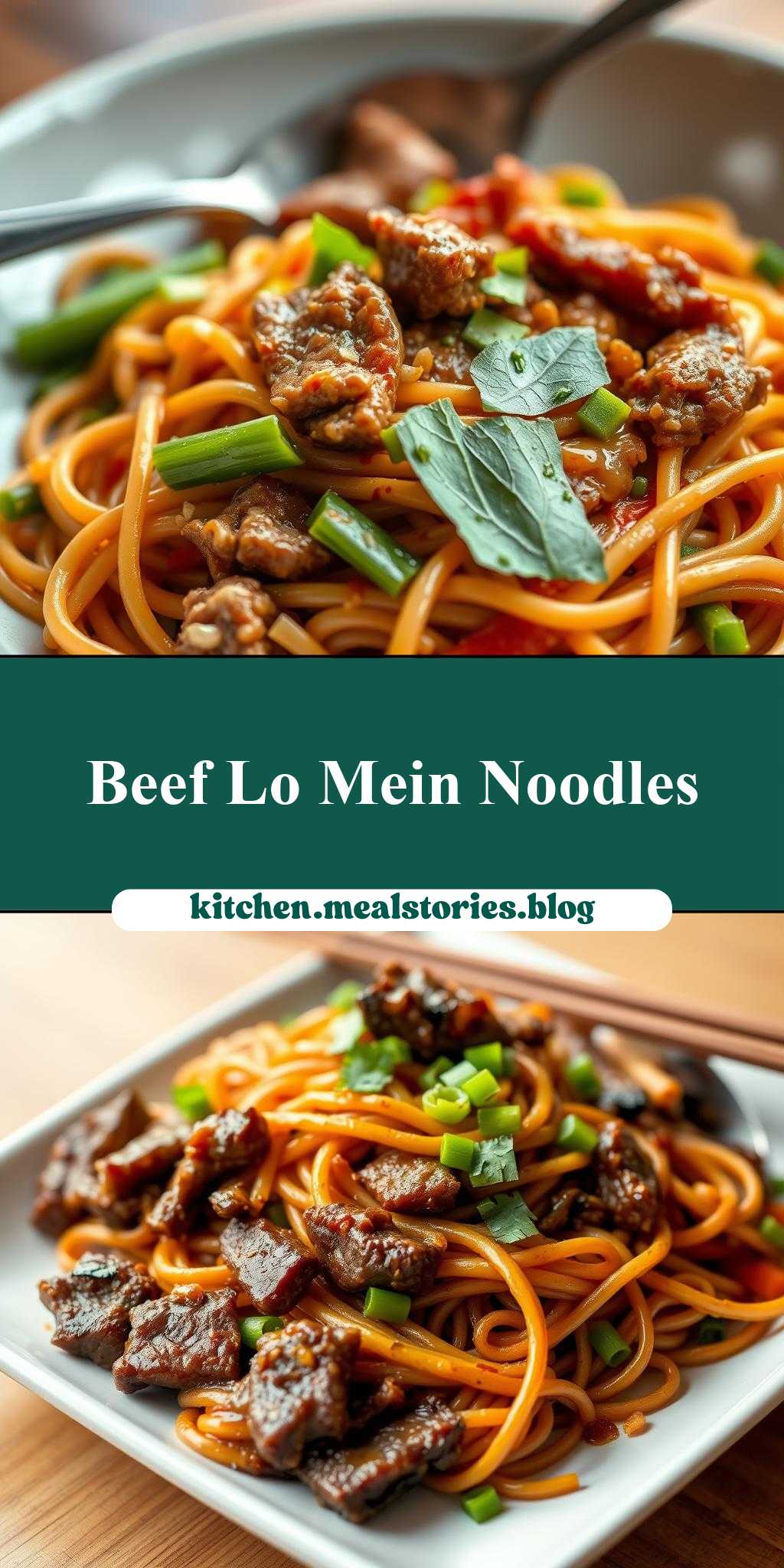
What makes a perfect weeknight dinner? A delicious homemade beef lo mein recipe with tender beef and stir-fried noodles, made easy with quick cooking methods and simple ingredients like soy sauce and vegetables. Save this idea for a tasty family favorite meal to try soon.
Beef Lo Mein Recipe
Introduction
Imagine a dish that combines the simplicity of everyday ingredients with the complexity of Asian flavors, all wrapped up in a package that’s both familiar and exotic. Beef Lo Mein is one such culinary masterpiece that embodies the essence of Chinese cuisine, with its perfect balance of savory, sweet, and umami flavors. This recipe is designed to be easy to follow, using ingredients that are readily available in most supermarkets, making it accessible to anyone looking to spice up their meal routine. The beauty of Beef Lo Mein lies in its versatility and the room it offers for creativity, allowing you to experiment with different vegetables, seasonings, and even proteins, making each dish uniquely yours.
Why This Works
- Flavor balance and ingredient accessibility: The combination of soy sauce, oyster sauce (optional), and sesame oil provides a deep, rich flavor profile that is quintessentially Chinese, while using commonly found ingredients.
- Ease of preparation: The steps involved in making Beef Lo Mein are straightforward and quick, requiring minimal cooking time and effort.
- Impressive results with minimal effort: Despite its simplicity, Beef Lo Mein presents well and tastes complex, making it perfect for both weeknight dinners and special occasions.
Key Ingredients
The core of a good Beef Lo Mein recipe includes high-quality ingredients such as tender beef (sirloin or ribeye work well), fresh and colorful vegetables like cabbage, carrots, and bean sprouts, and of course, the Lo Mein noodles themselves. For the sauce, a mix of soy sauce, hoisin sauce, and sometimes oyster sauce (for added depth) is used. Practical substitutions can include using chicken or tofu for the protein, and swapping out vegetables based on what’s in season or your personal preference. Sesame oil and seeds add a distinctive nutty flavor, but can be omitted or substituted with other oils if necessary.
Instructions
- Step 1: Begin by preparing your ingredients. Slice the beef into thin strips and season with a pinch of salt and pepper. Chop the vegetables into bite-sized pieces. Cook the Lo Mein noodles according to the package instructions, typically involving boiling them for 3-5 minutes or until they’re slightly undercooked, then rinsing them with cold water to stop the cooking process.
- Step 2: In a large skillet or wok, heat a couple of tablespoons of vegetable oil over medium-high heat. Add the beef and cook until browned, about 3-4 minutes, then remove it from the skillet and set aside. Next, add a bit more oil if necessary, then add the chopped vegetables and cook until they’re tender-crisp, which should take about 4-5 minutes.
- Step 3: In a small bowl, whisk together the soy sauce, hoisin sauce, and oyster sauce (if using). Pour the sauce into the skillet with the vegetables and stir to coat. Add the cooked noodles to the skillet, stirring to combine everything. Return the beef to the skillet and stir-fry until all the ingredients are well combined and the noodles are coated with the sauce.
- Step 4: For the final touches, sprinkle sesame seeds and chopped green onions over the top of the Lo Mein. Serve immediately, garnished with additional sesame seeds and green onions if desired.
Handy Tips
- Use a high heat to quickly cook the beef and vegetables, preserving their texture and color. If using a wok, take advantage of its shape to push ingredients up the sides while cooking others at the bottom.
- Don’t overcook the noodles; they should retain some firmness. If you’re using fresh noodles, be particularly careful as they can become mushy quickly.
- Customize your Lo Mein with your favorite vegetables or proteins. For a vegetarian version, simply omit the beef and add more vegetables or tofu for protein.
Heat Control
Heat control is crucial in making Beef Lo Mein. Start with a high heat to sear the beef and quickly cook the vegetables, then adjust the heat as needed to prevent burning the noodles or sauce. Ideally, you want to achieve a nice caramelization on the beef and a tender but still crisp texture on the vegetables. Signs of doneness include the beef being browned and cooked through, the vegetables being tender but still crisp, and the noodles being well coated with the sauce without being mushy.
Crunch Factor
Achieving the right texture in Beef Lo Mein is key to its appeal. The dish should have a mix of tender beef, crunchy vegetables, and slightly chewy noodles. To achieve this, don’t overcook the vegetables or noodles. If adding nuts or seeds, toast them lightly in a pan or oven to enhance their crunch and flavor. The combination of textures, along with the savory sauce, makes each bite engaging and satisfying.
Pro Kitchen Tricks
- Prepare all your ingredients before starting to cook, a technique known as “mise en place.” This ensures that you can add ingredients quickly as you cook, which is especially important in high-heat, fast-paced stir-frying.
- Use the right utensils for stir-frying, such as a wok spoon or a spatula that can withstand high heat and is easy to maneuver in a deep pan.
- Clean as you go to avoid clutter and make the cooking process more enjoyable. This also helps prevent cross-contamination, especially when handling raw meat.
Storage Tips
- Leftover Beef Lo Mein can be stored in an airtight container in the refrigerator for up to 3 days. Reheat it in a wok or large skillet over medium heat, adding a bit of water or sauce if the noodles seem dry.
- For longer storage, consider freezing the dish. However, it’s best to freeze the components separately (cooked noodles, beef, and vegetables) to preserve texture. Combine and reheat when needed.
- When reheating, ensure the dish is heated through to a safe internal temperature to prevent foodborne illness.
Gift Packaging Ideas
While Beef Lo Mein is typically considered a dish for immediate consumption, it can be packaged in a way that makes it a thoughtful gift, especially for someone who loves Chinese cuisine. Consider placing freshly cooked, cooled Lo Mein in microwave-safe containers or jars, along with a packet of sesame seeds and green onions for garnish. Add a small bottle of soy sauce or a spice blend on the side for extra flavor. Wrap the container in a decorative bag or add a ribbon around the jar for a personal touch.
Flavor Variations
- Different spices: Experiment with various Chinese spice blends or add a pinch of cumin for a unique twist.
- Creative toppings: Add sliced green onions, toasted sesame seeds, pickled ginger, or diced chili peppers on top for extra flavor and texture.
- Ingredient swaps: Use pork, chicken, or tofu as protein alternatives, and swap out vegetables based on seasonal availability or personal preference.
Troubleshooting
- Texture problems: If the noodles are too mushy, they were overcooked. For the next batch, cook them for less time. If the vegetables are too raw, cook them for a bit longer.
- Ingredient replacements: If a specific ingredient is not available, look for substitutes that offer similar texture and flavor. For example, if you can’t find Lo Mein noodles, udon or soba noodles could work as alternatives.
- Over/undercooking signs: Pay attention to the color and texture of the ingredients. Beef should be browned and cooked through, vegetables should be tender-crisp, and noodles should be slightly chewy but not hard or mushy.
FAQs
- Can I freeze it? Yes, you can freeze Beef Lo Mein, but it’s best to freeze the components separately to preserve texture.
- Is it gluten-free? Traditional Beef Lo Mein may not be gluten-free due to the soy sauce and potentially the noodles. Look for gluten-free alternatives for these ingredients to make a gluten-free version.
- Can I double the recipe? Yes, you can easily double or triple the recipe for a larger crowd. Just ensure you have a large enough skillet or wok to accommodate all the ingredients.
Conclusion
Making Beef Lo Mein is a rewarding culinary experience that offers a delicious, satisfying meal with minimal fuss. With its combination of savory sauce, tender beef, and crunchy vegetables, all wrapped up in chewy noodles, it’s a dish that’s sure to please both kids and adults. Feel free to experiment with the recipe, adding your favorite vegetables or trying out different seasonings to make it your own. Whether you’re a seasoned chef or a beginner in the kitchen, Beef Lo Mein is a versatile and flavorful dish that’s sure to become a staple in your culinary repertoire.