
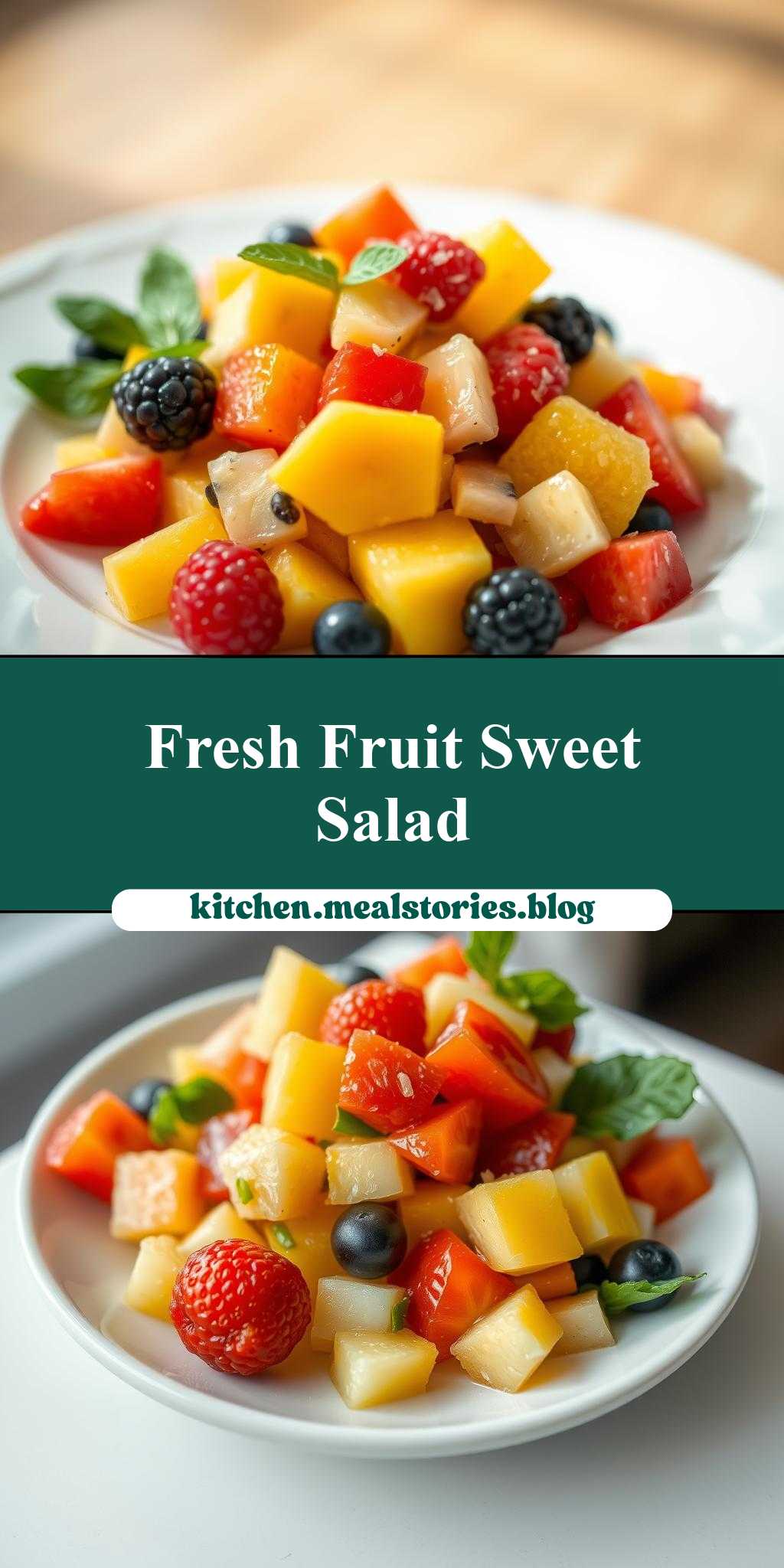
What makes the perfect summer snack? A fresh and easy fruit salad made with seasonal berries and a hint of citrus, all combined in a quick homemade mix that’s a family favorite, try mixing your favorites like pineapple and grapes for a sweet weeknight treat, save this idea
Fruit Salad
Introduction
A fruit salad is the epitome of simplicity and flavor, bringing together a variety of colorful fruits in a symphony of tastes and textures that can be enjoyed at any time of the day. What makes this dish truly special is its ease of preparation, requiring minimal effort while yielding impressive results. With the flexibility to use everyday ingredients and the creativity to mix and match different fruits, a fruit salad is not just a snack or dessert, but an expression of culinary art that caters to all preferences and dietary needs.
Why This Works
- Flavor balance and ingredient accessibility ensure that the fruit salad is both delicious and easy to make, using fruits that are readily available in most supermarkets.
- Ease of preparation is a significant advantage, as it requires no cooking and can be prepared in a matter of minutes, making it perfect for busy days or last-minute gatherings.
- Impressive results with minimal effort make the fruit salad an ideal choice for events or parties, where it can be served as a healthy and refreshing option that is sure to impress guests.
Key Ingredients
The main ingredients in a fruit salad can vary greatly depending on personal preferences and the season. Common fruits used include strawberries for their sweetness, grapes for their juiciness, kiwi for its tanginess, and banana for its creamy texture. Practical substitutions can be made based on what’s in season or available, such as using blueberries instead of grapes or pineapple instead of kiwi. The beauty of a fruit salad lies in its versatility, allowing for endless combinations of fruits to suit any taste or dietary requirement.
Instructions
- Step 1: Begin by washing and preparing the fruits. This involves rinsing them under cold water, peeling where necessary (like bananas or oranges), and chopping them into bite-sized pieces to ensure uniformity and ease of eating.
- Step 2: In a large bowl, gently mix the prepared fruits together. It’s essential to be gentle to avoid bruising the fruits, especially softer ones like strawberries or grapes.
- Step 3: Layer flavors or textures by adding a squeeze of fresh lime juice, a sprinkle of sugar to balance the tartness, or a handful of chopped nuts for added crunch. This step allows for personalization, where you can experiment with different flavors or textures to find your perfect combination.
- Step 4: Final touches involve plating and garnishing. The fruit salad can be served in individual bowls or a large serving dish, garnished with a sprig of mint, a few extra slices of fruit, or even a dollop of whipped cream for a more decadent treat.
Handy Tips
- One of the most helpful kitchen advice for making a fruit salad is to prepare the fruits just before serving to prevent them from becoming soggy or brown due to oxidation. However, some fruits like apples or bananas can be tossed with a little lemon juice to prevent browning if preparation is done ahead of time.
Heat Control
Since a fruit salad does not require cooking, heat control is not a factor in its preparation. However, if you’re considering adding a component that requires heating, such as toasted nuts or seeds for added crunch, ensure that you toast them at a low temperature (about 350°F) for a short period (5-7 minutes), shaking the pan frequently to avoid burning.
Crunch Factor
Achieving the right crunch factor in a fruit salad can elevate its texture and appeal. Adding elements like chopped nuts (almonds, walnuts), seeds (pumpkin, chia), or even a bit of granola can introduce a satisfying crunch. For fruits that are naturally soft, like bananas or avocados, mixing them with crunchier fruits or elements balances the texture, making each bite interesting and engaging.
Pro Kitchen Tricks
- One expert tip for a better fruit salad is to mix fruits of varying textures and flavors. Combining soft fruits like mangoes or pineapples with crunchier elements like apples or pears creates a dynamic taste experience.
- Using a variety of colorful fruits not only makes the salad visually appealing but also ensures a broad range of nutrients and flavors.
- For a shortcut in preparation, consider buying pre-cut fruits from the grocery store, though be mindful that they might be more expensive and could have added preservatives.
Storage Tips
- For storing leftovers, it’s best to keep the fruit salad in an airtight container in the refrigerator to maintain freshness. Consume within a day or two for optimal flavor and texture.
- Reheating is not necessary or recommended, as the fruit salad is served chilled. However, if you’ve added a component that requires heating (like nuts), ensure it’s cooled completely before mixing with the fruits.
- The shelf life of a fruit salad is short due to the perishable nature of fruits. It’s best consumed fresh, but leftovers can be safely stored for up to 24 hours.
Gift Packaging Ideas
A fruit salad can be a thoughtful and healthy gift, especially when packaged attractively. Consider placing the salad in a decorative glass jar or a BPA-free plastic container, topping it with a fresh sprig of mint or a edible flower for a pop of color. Wrap the jar or container with a ribbon or a decorative bag, and include a personalized note or a recipe card for a touching gesture.
Flavor Variations
- Different spices like cinnamon, nutmeg, or cardamom can add unique flavors to the fruit salad. For example, a pinch of cinnamon pairs well with apples and bananas, while nutmeg complements tropical fruits like mangoes and pineapples.
- Creative toppings such as whipped cream, yogurt, honey, or even a drizzle of chocolate can enhance the flavor and appeal of the fruit salad. These toppings can be chosen based on the fruits used and personal preferences.
- Ingredient swaps are endless in a fruit salad. Consider using seasonal fruits to keep the salad fresh and exciting, or substituting fruits based on their availability and your dietary needs.
Troubleshooting
- Texture problems can arise if the fruits become too soggy or if there’s an imbalance in textures. To avoid this, mix softer fruits with crunchier ones, and prepare the salad just before serving.
- Ingredient replacements are common in fruit salads due to the variety of fruits available. When replacing one fruit with another, consider their flavor profiles and textures to ensure the salad remains balanced.
- Over/undercooking is not applicable since the fruit salad is served raw. However, if you’re toasting nuts or seeds, ensure they’re not overcooked to prevent bitterness.
FAQs
- Can I freeze it? Yes, but it’s best to freeze individual components of the fruit salad rather than the mixed salad. Fruits like berries, citrus segments, or even bananas can be frozen and then mixed together when needed.
- Is it gluten-free? Yes, a fruit salad is naturally gluten-free, making it an excellent option for those with gluten intolerance or sensitivity.
- Can I double the recipe? Absolutely, the recipe can be easily doubled or tripled based on the number of servings needed. Just ensure to adjust the quantities of each fruit accordingly to maintain balance and flavor.
Conclusion
In conclusion, a fruit salad is a versatile, healthy, and delicious dish that can be enjoyed by everyone. With its ease of preparation, flexibility in ingredients, and endless possibilities for customization, it’s a perfect snack, dessert, or even a light meal. Whether you’re a seasoned chef or a beginner in the kitchen, this recipe encourages creativity and experimentation, allowing you to tailor it to your tastes and preferences. So, go ahead, mix and match your favorite fruits, and indulge in the simplicity and joy of a well-crafted fruit salad.