
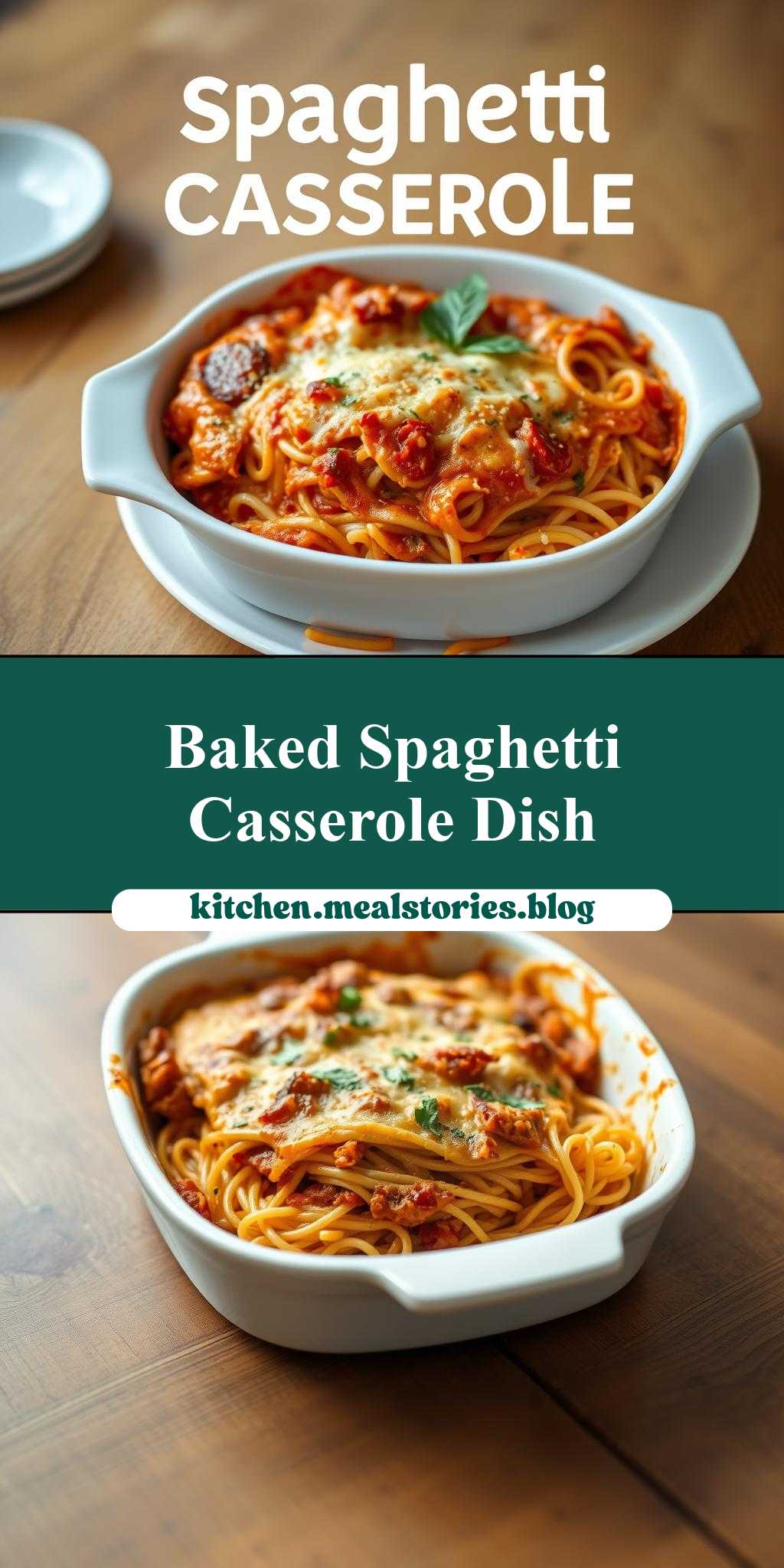
What makes a classic spaghetti casserole truly unforgettable? This homemade baked spaghetti casserole is a quick and easy weeknight dinner solution, filled with tender ground beef and melted mozzarella cheese. Save this idea for a family favorite meal that is sure to please everyone, try it soon and enjoy the comfort of a homemade meal.
baked spaghetti casserole in a white baking dish on a wooden table with text overlay
Introduction
This baked spaghetti casserole is a masterpiece of comfort food, combining the ease of a weeknight dinner with the creativity and flavor of a special occasion meal. Using everyday ingredients, this dish is perfect for those who want to impress without spending hours in the kitchen. The combination of tender spaghetti, rich meat sauce, and a blend of creamy cheeses will make this casserole a favorite in your household. Whether you’re a busy parent looking for a quick and satisfying meal or an avid cook seeking to explore new flavors, this recipe is sure to delight. The best part? It’s incredibly easy to make and requires minimal effort for such an impressive result.
Why This Works
- Flavor balance and ingredient accessibility: This recipe strikes a perfect balance between flavors, with the savory meat sauce, the slight tang of the tomato sauce, and the creaminess of the cheese. All the ingredients are easily accessible in most supermarkets, making it convenient for anyone to prepare.
- Ease of preparation: The steps involved in preparing this casserole are straightforward and simple. From cooking the spaghetti to layering the ingredients in the baking dish, each step is easy to follow and execute.
- Impressive results with minimal effort: Despite its simplicity, the end result is a dish that looks and tastes like it was prepared with much more effort. The layering of the spaghetti, meat sauce, and cheese creates a visually appealing casserole that is sure to impress family and friends.
Key Ingredients
The main ingredients in this baked spaghetti casserole include spaghetti, ground beef, onion, garlic, canned tomatoes, tomato paste, olive oil, salt, black pepper, and a mix of cheeses such as mozzarella, parmesan, and ricotta. For practical substitutions, you can use ground turkey or pork instead of beef, and vegetable oil if you don’t have olive oil. Additionally, you can customize the cheese blend to your liking, using more or less of each type based on your personal preferences. Fresh basil adds a nice touch of freshness and flavor, but dried basil can be used as a substitute if fresh is not available.
Instructions
- Step 1: Begin by preheating your oven to 375°F (190°C). While the oven is heating up, cook the spaghetti in boiling, salted water until it’s al dente. Reserve 1 cup of pasta water before draining the spaghetti. This step is crucial as it ensures the spaghetti is not overcooked and retains some firmness to it.
- Step 2: In a large skillet, heat the olive oil over medium heat. Add the diced onion and cook until it’s translucent, then add the minced garlic and cook for an additional minute. Add the ground beef, breaking it up with a spoon as it cooks, until it’s fully browned. Then, add the canned tomatoes, tomato paste, salt, and black pepper. Stir well to combine, and let the sauce simmer for about 10 minutes, stirring occasionally. This will help thicken the sauce and blend the flavors together.
- Step 3: In a large bowl, combine the cooked spaghetti, the meat sauce, and the reserved pasta water. Mix well to ensure the spaghetti is well coated with the sauce. In a separate bowl, mix the ricotta cheese with a pinch of salt and pepper. Now, it’s time to assemble the casserole. In a 9×13 inch baking dish, create a thin layer of the meat sauce on the bottom. Arrange 1/2 of the spaghetti mixture on top, followed by 1/2 of the ricotta cheese mixture, and 1/2 of the shredded mozzarella cheese. Repeat the layers, starting with the meat sauce, then the remaining spaghetti, the remaining ricotta cheese mixture, and finally the remaining mozzarella cheese. Top it off with grated parmesan cheese.
- Step 4: Cover the baking dish with aluminum foil and bake for 30 minutes. Then, remove the foil and continue baking for an additional 10-15 minutes, or until the cheese is melted and bubbly. Remove the casserole from the oven and let it rest for a few minutes before serving. This resting time allows the cheese to set and the flavors to meld together, making the casserole easier to serve and more enjoyable to eat.
Handy Tips
- To avoid the casserole drying out, make sure not to overcook the spaghetti and use the reserved pasta water to keep the sauce moist. Also, don’t overbake the casserole; the cheese should be melted and slightly golden but not burnt.
Heat Control
The ideal temperature for baking the casserole is 375°F (190°C). It’s essential to preheat the oven to this temperature to ensure even cooking. The casserole should be baked for a total of 40-45 minutes, with the first 30 minutes covered in foil to prevent the top from burning and to help the cheese melt evenly. After removing the foil, bake for an additional 10-15 minutes, or until the top is lightly golden and the cheese is bubbly. Signs of doneness include a heated through casserole with melted, bubbly cheese on top and a slightly golden crust on the edges.
Crunch Factor
This baked spaghetti casserole should have a tender, cheesy top layer with a slight crunch from the baked cheese and a firm, al dente texture from the spaghetti. To achieve this, it’s crucial not to overcook the spaghetti and to bake the casserole just until the cheese is melted and slightly golden. Overbaking can lead to a dry, crunchy texture throughout the dish, which is undesirable. The aim is for a dish that is comforting, cheesy, and satisfying, with a variety of textures that complement each other.
Pro Kitchen Tricks
- To make the casserole more visually appealing, you can sprinkle some grated parmesan cheese and a few leaves of fresh basil on top before serving. This adds a pop of color and freshness to the dish. Additionally, using high-quality ingredients, such as fresh tomatoes instead of canned when in season, can elevate the flavor of the casserole. For a shortcut, consider preparing the meat sauce ahead of time and storing it in the refrigerator for up to a day or freezing it for later use.
Storage Tips
- Leftovers can be stored in the refrigerator for up to 3 days. It’s best to store the casserole in a covered, airtight container to prevent drying out. For reheating, cover the dish with foil and heat it in the oven at 350°F (175°C) for about 20-25 minutes, or until heated through. You can also reheat individual portions in the microwave, covered with a microwave-safe lid or plastic wrap, for about 2-3 minutes, or until hot and bubbly. The casserole can be frozen for up to 2 months. Freeze it before baking, then thaw overnight in the refrigerator and bake as instructed. When freezing, it’s a good idea to divide the casserole into smaller portions for easier reheating and to prevent having to thaw and reheat the entire dish at once.
Gift Packaging Ideas
While baked spaghetti casserole might not be the first dish that comes to mind when thinking of gifts, it can actually be a thoughtful and practical present, especially for new parents, someone recovering from illness, or a friend in need of a comforting meal. Consider packaging the casserole in a disposable aluminum baking dish and wrapping it in foil or plastic wrap. You can then place it in a gift basket along with some garlic bread, a green salad, or a bottle of wine for a complete meal. Add a personal touch with a handwritten note or a small potted herb plant, like basil, to complement the Italian theme.
Flavor Variations
- Different spices: You can add a pinch of red pepper flakes for a spicy kick or some dried oregano for an earthy flavor. Other options include basil, thyme, or rosemary, depending on your personal taste preferences.
- Creative toppings: In addition to the traditional mozzarella and parmesan, you can top your casserole with other cheeses like provolone, gorgonzola, or feta for unique flavor profiles. Other toppings might include diced bell peppers, sliced olives, or chopped fresh parsley for added texture and flavor.
- Ingredient swaps: For a vegetarian version, you can substitute the ground beef with sautéed mushrooms, eggplant, or zucchini. For a gluten-free option, ensure that the spaghetti and any sauces used are gluten-free.
Troubleshooting
- Texture problems: If the casserole turns out too dry, it might be due to overcooking the spaghetti or baking the casserole for too long. Conversely, if it’s too soggy, the spaghetti might not have been drained well enough, or too much pasta water was added to the sauce.
- Ingredient replacements: If you’re missing an ingredient, consider what its role is in the recipe. For example, if you don’t have ricotta cheese, you could substitute it with a mixture of cottage cheese and parmesan, or even use cream cheese as a last resort, though the flavor will be slightly different.
- Over/undercooking signs: Keep an eye on the casserole while it’s baking. If the top starts to brown too quickly, cover it with foil to prevent burning. If the casserole is not heated through after the recommended baking time, cover it and bake for a few more minutes, checking until it’s hot and bubbly throughout.
FAQs
- Can I freeze it? Yes, you can freeze the baked spaghetti casserole before baking. Simply thaw it overnight in the refrigerator and bake as instructed. Frozen casseroles can be stored for up to 2 months.
- Is it gluten-free? The traditional recipe includes spaghetti, which contains gluten. However, you can make a gluten-free version by using gluten-free spaghetti and ensuring all the sauces and ingredients used are also gluten-free.
- Can I double the recipe? Yes, you can easily double the recipe for a larger crowd. Just keep in mind that you might need to adjust the baking time slightly, as a larger casserole will take longer to heat through evenly.
Conclusion
This baked spaghetti casserole is a versatile and delicious dish that can be adapted to suit various tastes and dietary needs. With its rich flavors, satisfying textures, and the ease of preparation, it’s a perfect addition to any meal, whether it’s a family dinner, a party, or a gift for someone in need of a comforting meal. Feel free to experiment with different ingredients and toppings to make it your own, and don’t hesitate to reach out if you have any questions or need further substitutions or variations. Happy cooking, and enjoy the delightful experience of sharing a homemade meal with your loved ones!