
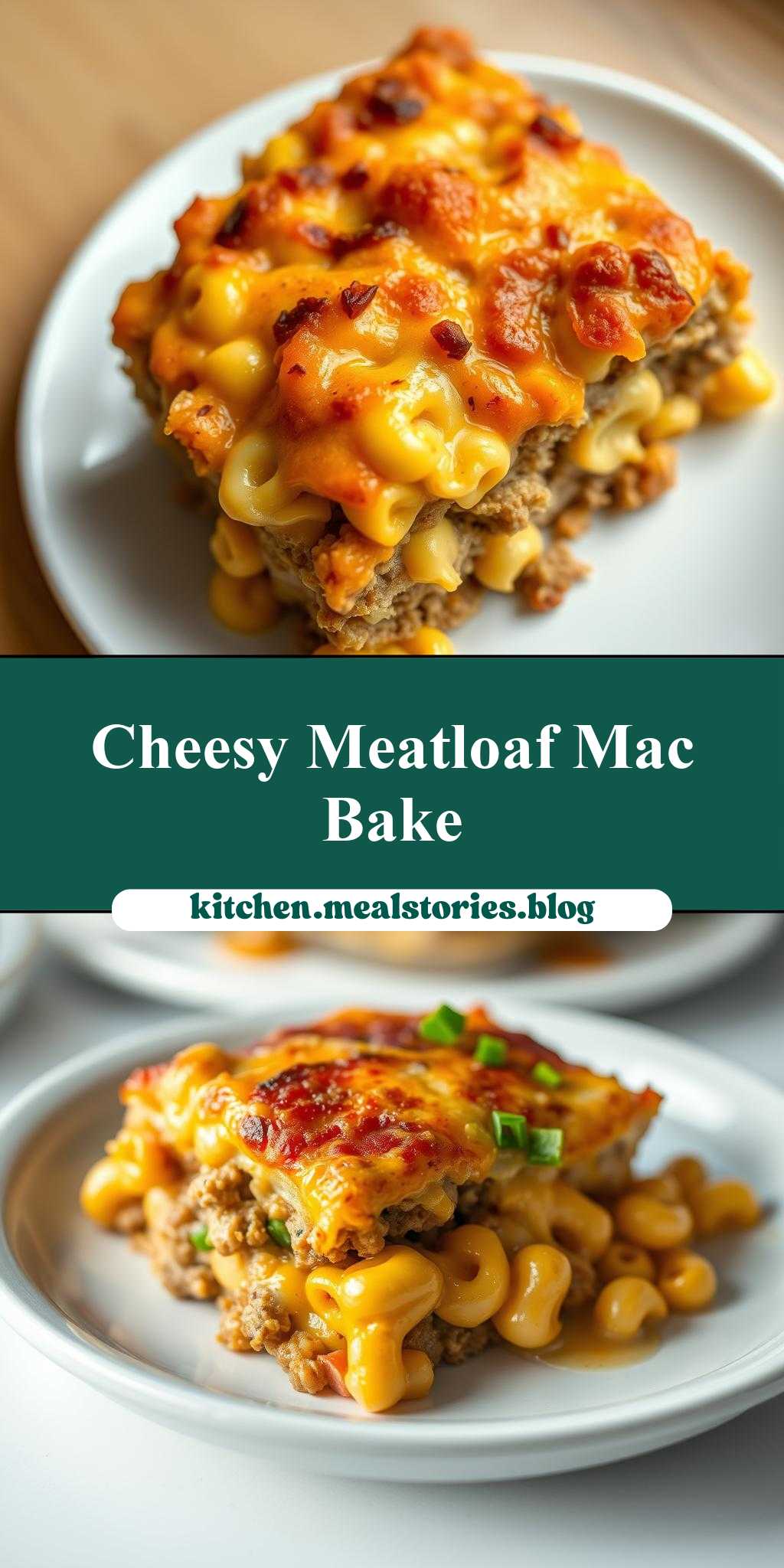
What happens when mac and cheese meets meatloaf in a casserole dish? A creamy, comforting masterpiece made with ground beef and pasta, perfect for a quick weeknight dinner. Save this idea for your next family favorite meal.
Mac and Cheese Meatloaf Casserole
Introduction
The Mac and Cheese Meatloaf Casserole is a creative twist on traditional comfort food, combining the richness of macaroni and cheese with the heartiness of a meatloaf. This dish is perfect for a weeknight dinner or a special occasion, as it’s both easy to prepare and impressive in its presentation. By using everyday ingredients and simple cooking techniques, you can create a meal that’s not only delicious but also comforting and satisfying. The combination of tender pasta, flavorful meatloaf, and a crispy, golden-brown crust is sure to become a new family favorite.
Why This Works
- The balance of flavors in this dish is key, with the savory meatloaf, creamy mac and cheese, and the slight crunch from the topping creating a delightful harmony of textures and tastes.
- The preparation of this casserole is surprisingly straightforward, requiring minimal effort for the impressive results it yields. This makes it an ideal choice for busy home cooks looking to impress without spending hours in the kitchen.
- One of the most appealing aspects of the Mac and Cheese Meatloaf Casserole is its ability to please a wide range of palates. Whether you’re serving a family with picky eaters or a group of friends with diverse tastes, this dish is sure to be a hit.
Key Ingredients
The foundation of this recipe includes ground beef for the meatloaf, macaroni for the pasta component, and a blend of cheeses (such as cheddar, mozzarella, and parmesan) for the creamy mac and cheese. Additional ingredients like onion, garlic, and tomato paste add depth to the meatloaf, while breadcrumbs and egg help bind it together. For the mac and cheese, butter, flour, and milk are essential for the cheese sauce. Practical substitutions can be made, such as using different types of cheese or adding vegetables like bell peppers or mushrooms to the meatloaf for added flavor and nutrition.
Instructions
- Step 1: Begin by preheating your oven to 375°F (190°C). While the oven is heating up, cook the macaroni according to the package instructions until it’s al dente, then set it aside. In a large skillet, sauté the chopped onion and minced garlic until they’re softened and fragrant.
- Step 2: In a large bowl, combine the ground beef, sautéed onion and garlic, tomato paste, egg, and breadcrumbs. Mix everything together with your hands or a wooden spoon until just combined. Be careful not to overmix. Transfer the meat mixture to a loaf pan or shape it into a loaf shape on a baking sheet. Bake the meatloaf in the preheated oven for about 25-30 minutes, or until it reaches your desired level of doneness.
- Step 3: While the meatloaf is baking, prepare the mac and cheese. In a saucepan, melt the butter over medium heat. Add the flour and whisk together to make a roux, cooking for about 1 minute. Slowly pour in the milk, whisking constantly to avoid lumps. Bring the mixture to a simmer and let it cook until it thickens. Remove the sauce from the heat and stir in the shredded cheese until it’s fully melted and the sauce is smooth. Combine the cooked macaroni and cheese sauce in a large bowl.
- Step 4: Once the meatloaf is done, let it rest for a few minutes before slicing it into thick slices. In a large casserole dish, create a layer of mac and cheese, followed by a few slices of the meatloaf, and then another layer of mac and cheese on top. If desired, add some extra shredded cheese and a sprinkle of breadcrumbs on top for an extra crispy crust. Return the casserole to the oven and bake for an additional 15-20 minutes, or until the top is golden brown and the casserole is heated through.
Handy Tips
- To avoid a dry meatloaf, don’t overmix the meat mixture, and make sure to not overbake it. Using a meat thermometer can help ensure it reaches a safe internal temperature without becoming too dry.
- For an extra creamy mac and cheese, add a little grated nutmeg or a pinch of cayenne pepper to the cheese sauce. These spices will enhance the flavor without adding heat.
- Consider using different types of pasta or cheese to change up the flavor and texture of the dish. Some pasta shapes, like shells or elbows, hold onto the cheese sauce particularly well.
Heat Control
Maintaining the right temperature is crucial for both the meatloaf and the mac and cheese. The oven should be preheated to 375°F (190°C) for baking the meatloaf and later for the casserole. It’s also important to not overcook the macaroni, as it should retain some firmness to hold the cheese sauce well. For the cheese sauce, medium heat is ideal for melting the butter and cooking the roux, and then reducing the heat to a simmer to prevent the sauce from breaking.
Crunch Factor
Achieving the right texture, especially the crunch factor, can elevate the dish. Adding a topping of breadcrumbs mixed with a bit of butter or olive oil before the final baking can create a satisfying crunch on top of the casserole. Alternatively, a crispy bacon crumble or toasted nuts can add a delightful textural contrast.
Pro Kitchen Tricks
- One trick to prevent the mac and cheese from becoming too dry when it’s baked in the oven is to cover the dish with aluminum foil for the first 10-15 minutes. This helps retain moisture and ensures the top doesn’t get too brown before the rest of the casserole is heated through.
- To make the dish more efficient to prepare, consider cooking the macaroni and preparing the cheese sauce a day in advance. Store them in the refrigerator overnight and assemble the casserole the next day.
- For easier cleanup, line the baking sheet or loaf pan with parchment paper before baking the meatloaf. This prevents sticking and makes removing the meatloaf much simpler.
Storage Tips
- Leftovers can be stored in the refrigerator for up to 3 days. It’s best to store the mac and cheese and meatloaf separately to prevent the pasta from becoming soggy. Reheat the components separately before assembling and serving.
- The casserole can also be frozen after assembly but before baking. Simply thaw it overnight in the refrigerator and bake as directed when you’re ready to serve it.
- When reheating, make sure the casserole is heated through to an internal temperature of at least 165°F (74°C) to ensure food safety.
Gift Packaging Ideas
While casseroles are typically thought of as dishes to be served at home, they can also be gifted as a thoughtful gesture, especially for new parents, someone recovering from illness, or as a welcome to the neighborhood. Consider transferring the cooled casserole to a disposable aluminum pan, wrapping it securely in plastic wrap or aluminum foil, and adding a decorative touch like a ribbon around the pan or a handwritten note with reheating instructions.
Flavor Variations
- Different spices can greatly alter the flavor profile of the dish. For example, adding some smoked paprika to the meatloaf can give it a smoky depth, while a pinch of cumin can add a warm, earthy note.
- Creative toppings can also change up the flavor and visual appeal of the casserole. Consider adding some diced tomatoes, chopped fresh herbs like parsley or basil, or even a dollop of sour cream on top before serving.
- Ingredient swaps are another way to innovate. Using ground turkey or pork instead of beef can change the flavor and texture of the meatloaf, while using different types of cheese or adding some grated vegetables to the mac and cheese can enhance its flavor and nutritional value.
Troubleshooting
- Texture problems, such as a dry meatloaf or soggy mac and cheese, can often be traced back to overcooking. Make sure to check the dish frequently towards the end of the cooking time to avoid this.
- Ingredient replacements can sometimes affect the final product. If substituting ingredients, consider their flavor profile and texture and adjust the recipe accordingly. For example, using a stronger cheese may require less amount to achieve the desired flavor.
- Over or undercooking can be identified by the internal temperature of the meatloaf and the texture of the mac and cheese. The meatloaf should reach an internal temperature of at least 160°F (71°C), and the mac and cheese should be heated through but still creamy.
FAQs
- Can I freeze it? Yes, the casserole can be frozen after assembly but before baking. Simply thaw it overnight in the refrigerator and bake as directed when you’re ready to serve it.
- Is it gluten-free? The traditional recipe includes pasta and breadcrumbs, which contain gluten. However, gluten-free alternatives can be used for both the pasta and the breadcrumbs to make the dish gluten-free.
- Can I double the recipe? Yes, the recipe can be easily doubled or even tripled for larger gatherings. Just ensure you have a large enough baking dish to accommodate the increased volume.
Conclusion
The Mac and Cheese Meatloaf Casserole is a versatile and satisfying dish that combines the best of comfort food with the ease of a casserole. With its rich flavors, hearty portions, and the potential for countless variations, it’s a recipe that’s sure to become a staple in many kitchens. Whether you’re cooking for a family dinner, a potluck, or just a cozy night in, this casserole is sure to please. So don’t be afraid to experiment, share your creations, and enjoy the warm, comforting goodness that this dish has to offer.