
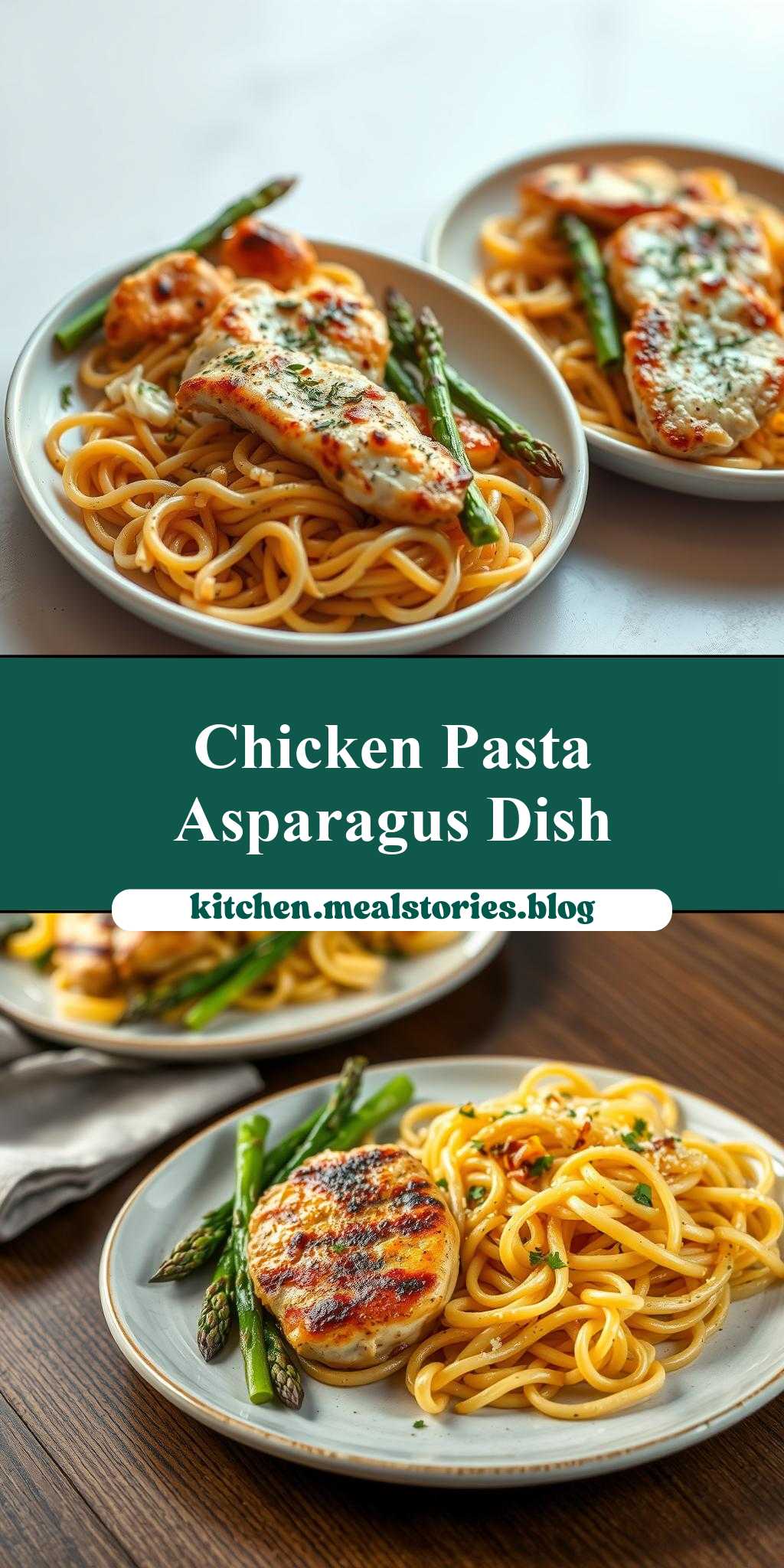
What makes the perfect weeknight dinner? A delicious combination of chicken, pasta and asparagus, all in one easy homemade dish. With quick cooking methods like roasting, this family favorite is a staple for busy nights. Save this idea for a simple and satisfying meal solution.
Two Plates with Chicken, Pasta, and Asparagus on Them Next to Each Other
Introduction
This delightful dish is a perfect representation of how simple, everyday ingredients can come together to create a flavorful and visually appealing meal. The combination of juicy chicken, al dente pasta, and tender asparagus, all presented on two plates side by side, is not only a treat for the taste buds but also a feast for the eyes. With its ease of preparation, balance of flavors, and the possibility of customization, this recipe is sure to become a favorite among both beginners and seasoned cooks. Whether you’re looking for a quick weeknight dinner or a dish to impress your guests, this recipe has got you covered.
Why This Works
- Flavor balance and ingredient accessibility: The dish combines the richness of chicken, the earthiness of asparagus, and the comfort of pasta, creating a well-rounded flavor profile that is easy to achieve with commonly found ingredients.
- Ease of preparation: Despite its impressive presentation, the recipe requires minimal preparation and cooking time, making it an ideal choice for those with busy schedules.
- Impressive results with minimal effort: The simplicity of the ingredients and the cooking process belies the sophistication of the final dish, ensuring that you can impress your family and friends without spending hours in the kitchen.
Key Ingredients
The main ingredients for this recipe include boneless, skinless chicken breasts, pasta of your choice (though thinner shapes like spaghetti or linguine work best), fresh asparagus, olive oil, salt, pepper, and any additional seasonings or sauces you prefer. For practical substitutions, you can use other protein sources like shrimp or tofu for a vegetarian option, and various types of pasta or even zucchini noodles for a low-carb alternative. The asparagus can be substituted with other quick-cooking vegetables like bell peppers or broccoli, though asparagus adds a unique and desirable crunch to the dish.
Instructions
- Step 1: Begin by prepping your ingredients. Rinse the asparagus and trim the ends, cook the pasta according to the package instructions until it’s al dente, and season the chicken breasts with your choice of herbs and spices.
- Step 2: Cook the chicken. Heat a couple of tablespoons of olive oil in a large skillet over medium-high heat. Once the oil is hot, add the chicken breasts and cook until they are browned on both sides and cooked through, which should take about 5-7 minutes per side, depending on the thickness of the breasts.
- Step 3: While the chicken is cooking, prepare the asparagus. Toss the asparagus spears with a bit of olive oil, salt, and pepper on a baking sheet. Once the chicken is done, remove it from the skillet and set it aside to rest. Then, add the asparagus to the skillet and cook over medium heat, stirring occasionally, until it reaches your desired level of tenderness, usually about 3-5 minutes.
- Step 4: Final touches and plating. Slice the rested chicken breasts. To plate, place a portion of pasta on each plate, top with a sliced chicken breast, and arrange the asparagus spears alongside. You can add your choice of sauce or seasoning to enhance the flavors. For a more impressive presentation, consider adding some chopped fresh herbs or a sprinkle of parmesan cheese.
Handy Tips
- For a crisper exterior on the asparagus, try roasting it in the oven instead of sautéing. Simply toss the asparagus with olive oil, salt, and pepper, and roast at 425°F (220°C) for about 12-15 minutes, or until tender and slightly caramelized.
- Don’t overcook the pasta or the asparagus, as this can lead to a mushy texture that’s unappealing. Aim for al dente pasta and tender but still crisp asparagus.
- Experiment with different seasonings and sauces to find the combination that you enjoy the most. Lemon juice, garlic, and chili flakes can add bright, depthful flavors to the dish.
Heat Control
Heat control is crucial in this recipe, especially when cooking the chicken and asparagus. For the chicken, ensure that the skillet is hot before adding the breasts, and adjust the heat as necessary to prevent burning. Ideally, you want to achieve a nice brown crust on the chicken without overcooking the interior. For the asparagus, medium heat is usually sufficient, but keep an eye on it to prevent it from becoming too soft or developing an unpleasant color.
Crunch Factor
The crunch factor in this dish primarily comes from the asparagus. To achieve the perfect crunch, don’t overcook the asparagus. It should still have a bit of firmness in the center when you bite into it. If you prefer a softer texture, you can cook it for a few minutes longer, but be cautious not to overdo it. Additionally, adding some toasted nuts or seeds on top of the dish can provide an extra crunchy element.
Pro Kitchen Tricks
- Use a meat thermometer to ensure the chicken is cooked to a safe internal temperature of 165°F (74°C), which helps in achieving perfectly cooked chicken without the guesswork.
- Don’t overcrowd! Cook the chicken and asparagus in batches if necessary, to ensure that each piece has enough room to cook evenly. This is especially important for preventing the asparagus from steaming instead of sautéing.
- Keep it fresh. Use the freshest ingredients possible, especially the asparagus, to get the best flavors and textures out of your dish.
Storage Tips
- Leftover storage: Cooked chicken, pasta, and asparagus can be stored in separate airtight containers in the refrigerator for up to 3 days. Reheat gently before serving.
- Reheating tips: For the best results, reheat the components separately. Chicken can be reheated in the oven or microwave, pasta can be tossed in a bit of warm water or heated with sauce, and asparagus is best reheated quickly in a pan with a bit of oil or in the microwave with a splash of water.
- Shelf life and containers: Always use clean, airtight containers to store leftovers, and label them with the date they were cooked. This helps in keeping track of how long they’ve been stored and ensures safety and quality.
Gift Packaging Ideas
While this dish is primarily meant to be served fresh, components of it can be gifted in creative ways. For example, a jar of homemade pasta sauce, a packet of seasoned flour for chicken coating, or a bunch of fresh asparagus with a recipe card can make thoughtful gifts for foodie friends. Consider packaging these items in decorative jars, bags, or baskets, and don’t forget to include a personal touch like a handwritten note or a ribbon.
Flavor Variations
- Different spices: Experiment with various spice blends like Italian seasoning, lemon pepper, or herbs de Provence to give your chicken a unique flavor.
- Creative toppings: Add some flair to your dish with creative toppings such as diced tomatoes, roasted vegetables, a dollop of pesto, or a sprinkle of grated cheese.
- Ingredient swaps: Try swapping the chicken with shrimp or tofu, or using different types of pasta or vegetables to keep the dish interesting and tailored to your tastes or dietary needs.
Troubleshooting
- Texture problems: If your pasta is too mushy, it was probably overcooked. For asparagus, undercooking can leave it too crisp, while overcooking makes it soft and unappealing. Adjust your cooking times accordingly.
- Ingredient replacements: If you’re missing an ingredient, consider what its role is in the dish and substitute with something similar. For example, if you don’t have asparagus, other quick-cooking vegetables can work as substitutes.
- Over/undercooking signs: Keep an eye on your chicken’s internal temperature, the firmness of the asparagus, and the texture of the pasta to avoid over or undercooking.
FAQs
- Can I freeze it? Yes, you can freeze cooked chicken, pasta, and asparagus, but it’s best to freeze them separately for easier reheating and to preserve texture. Frozen leftovers are best consumed within 3 months.
- Is it gluten-free? This depends on the type of pasta used. Traditional pasta contains gluten, but there are many gluten-free alternatives made from rice, quinoa, or corn flour that can be used instead.
- Can I double the recipe? Absolutely, this recipe can be easily doubled or even tripled for larger groups. Just ensure you have enough pots, pans, and cooking space to handle the increased volume.
Conclusion
This recipe for two plates with chicken, pasta, and asparagus on them next to each other offers a delicious, easy, and versatile meal solution that can be adapted to suit various tastes and dietary preferences. With its emphasis on fresh ingredients, simple cooking techniques, and creative presentation, it’s an ideal dish for both everyday meals and special occasions. Feel free to experiment with the ingredients and flavor combinations to make it your own, and don’t hesitate to share your creations with friends and family. Happy cooking!