
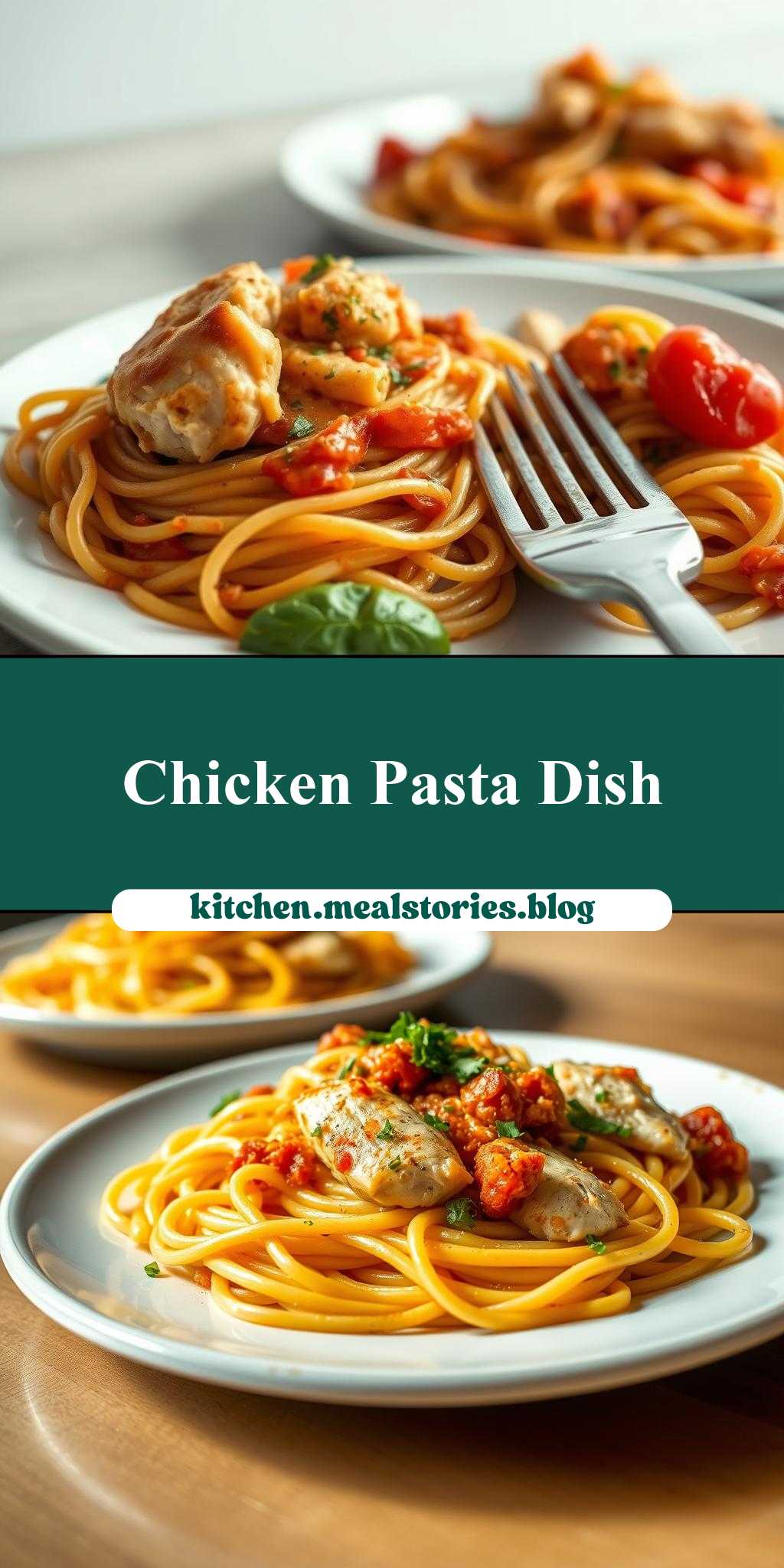
What makes the perfect weeknight dinner? For me, it’s a homemade plate of spaghetti with juicy chicken and al dente pasta, all coming together in a quick and easy meal that’s sure to become a family favorite. Pan-seared chicken and freshly cooked spaghetti are the stars of the show. Save this idea for a deliciously easy weeknight dinner solution.
two plates of spaghetti with chicken and pasta
Introduction
Imagine a dish that combines the comfort of spaghetti, the savory delight of chicken, and the joy of a perfectly balanced pasta meal, all in the simplicity of a recipe that’s easy to follow and fun to make. This recipe for two plates of spaghetti with chicken and pasta is a culinary masterpiece that achieves all this and more, using everyday ingredients that you likely already have in your kitchen. It’s a testament to the power of creativity in cooking, where a few simple elements can come together to create a meal that’s not just delicious, but also impressive. Whether you’re cooking for a special occasion or just a quiet night in, this dish is sure to please, with its rich flavors, satisfying textures, and the undeniable charm of a homemade meal.
Why This Works
- Flavor balance and ingredient accessibility: The key to this recipe’s success lies in its thoughtful balance of flavors and the use of ingredients that are easily accessible to anyone. The combination of chicken, spaghetti, and a blend of aromatic spices creates a dish that’s both comforting and exciting.
- Ease of preparation: One of the most appealing aspects of this recipe is how easy it is to prepare. With straightforward steps and minimal fuss, you can have a gourmet meal ready in no time. This makes it perfect for busy nights when you want something special without the hassle.
- Impressive results with minimal effort: Despite its simplicity, this dish yields impressive results. The presentation is appealing, the flavors are deep and satisfying, and the overall experience is one that you’ll want to repeat. It’s a great option for entertaining guests or for a special family dinner.
Key Ingredients
The heart of this recipe lies in its key ingredients: chicken breasts, spaghetti, olive oil, garlic, onion, bell pepper, tomato sauce, and a blend of Italian seasonings. The chicken provides lean protein, while the spaghetti offers a comforting base. The olive oil, garlic, onion, and bell pepper add depth and freshness, and the tomato sauce brings everything together with its rich, tangy flavor. The Italian seasonings—such as basil, oregano, and thyme—add a layer of complexity that elevates the dish. For practical substitutions, you can use different colored bell peppers for varied sweetness levels, and consider gluten-free spaghetti for dietary restrictions.
Instructions
- Step 1: Begin by preparing your ingredients. Chop the onion, bell pepper, and garlic. Measure out the spaghetti, tomato sauce, and seasonings. Cut the chicken breasts into bite-sized pieces for even cooking.
- Step 2: Cook the spaghetti in boiling, salted water until it’s al dente. Reserve a cup of pasta water before draining, as this can help achieve the perfect sauce consistency later. In a large skillet, heat the olive oil over medium heat. Add the chicken and cook until browned on all sides and cooked through. Remove the chicken from the skillet and set it aside.
- Step 3: In the same skillet, add the chopped onion, bell pepper, and garlic. Sauté until the vegetables are tender and lightly caramelized. Then, add the tomato sauce and stir to combine. Bring the sauce to a simmer and let it cook for a few minutes until it thickens slightly. Add the cooked chicken back into the sauce and stir to coat. Season with Italian seasonings and salt to taste.
- Step 4: To serve, place a portion of the cooked spaghetti on each plate, then top with the chicken and sauce mixture. If the sauce seems too thick, a bit of the reserved pasta water can be added to achieve the desired consistency. Finish with grated Parmesan cheese and a sprinkle of fresh basil for added flavor and visual appeal.
Handy Tips
- Always use high-quality ingredients when possible, as this will significantly impact the flavor of your dish. For example, using fresh garlic instead of powdered can make a big difference.
- Don’t overcook the spaghetti. Al dente texture is key to a good pasta dish, as it provides a pleasant bite and prevents the pasta from becoming mushy.
- Consider the acidity in tomato sauce. A splash of red wine or a squeeze of fresh lemon juice can help balance the flavors and enhance the overall taste experience.
Heat Control
Heat control is crucial in this recipe, especially when cooking the chicken and simmering the sauce. For the chicken, medium-high heat is ideal for browning, but once browned, reducing the heat to medium or medium-low can help cook the chicken through without burning the outside. When simmering the sauce, low to medium heat is best, as high heat can cause the sauce to boil too vigorously, leading to a loss of flavor and moisture. The ideal temperature for simmering sauce is between 180°F and 190°F, which helps in reducing the sauce gently and intensifying the flavors.
Crunch Factor
The crunch factor in this dish comes from the slightly caramelized vegetables and the texture of the al dente spaghetti. To achieve this, make sure not to overcook the vegetables; they should be tender but still retain some crunch. For the spaghetti, as mentioned, cooking it until it’s al dente is key. If you’re looking to add extra crunch, consider topping the dish with toasted breadcrumbs or chopped nuts before serving.
Pro Kitchen Tricks
- Use a mixture of grated Parmesan and mozzarella cheese for an extra creamy and flavorful sauce. The Parmesan adds a salty, nutty flavor, while the mozzarella contributes to the creaminess.
- For easier cleanup, prepare all your ingredients before starting to cook, and use the same skillet for cooking the chicken and the sauce to minimize the number of dishes.
- Experiment with different types of pasta. While spaghetti is classic, other long, thin pasta shapes like angel hair or linguine can offer interesting texture variations.
Storage Tips
- For leftovers, store the cooked spaghetti, chicken, and sauce separately in airtight containers in the refrigerator. This makes reheating easier and prevents the pasta from becoming soggy.
- When reheating, add a splash of water or pasta sauce to the spaghetti to revive its texture. For the chicken and sauce, a quick reheat in the microwave or on the stovetop is sufficient.
- The dish can be safely stored in the refrigerator for up to 3 days. For longer storage, consider freezing the cooked chicken and sauce, which can be frozen for up to 3 months. Cooked spaghetti is best consumed fresh but can be frozen as well; however, the texture might suffer slightly upon reheating.
Gift Packaging Ideas
If you’re considering gifting this dish, perhaps for a potluck or as a care package, there are several creative ways to package it! For a more rustic appeal, use mason jars to layer the spaghetti, sauce, and chicken, finishing with a sprinkle of cheese and a basil leaf on top. You can also use microwave-safe containers for a more practical approach, adding a side of garlic bread or a green salad for a complete meal. Don’t forget to include reheating instructions for the recipient’s convenience.
Flavor Variations
- Different spices: Consider adding a pinch of red pepper flakes for a spicy kick or some dried oregano for an earthier flavor.
- Creative toppings: In addition to the classic Parmesan and basil, you might enjoy topping your spaghetti with toasted pine nuts, grilled vegetables, or even a fried egg for added richness.
- Ingredient swaps: For a vegetarian version, swap the chicken with roasted eggplant or zucchini, and for a vegan option, use a plant-based protein source and vegan cheese alternative.
Troubleshooting
- Texture problems: If your spaghetti becomes too mushy, it’s likely overcooked. For future reference, check the pasta frequently during the last minutes of cooking. If the sauce is too thick, a bit of pasta water or broth can thin it out.
- Ingredient replacements: If you’re out of a particular spice or ingredient, don’t hesitate to substitute with something similar. For example, if you don’t have Italian seasoning, a mix of basil, oregano, and thyme can work well.
- Over/undercooking signs: For chicken, ensure it reaches an internal temperature of 165°F to avoid undercooking. Overcooking will make the chicken dry and tough. For the spaghetti, al dente is the goal; it should have a bit of bite or chew to it.
FAQs
- Can I freeze it? Yes, you can freeze the cooked chicken and sauce for up to 3 months. Cooked spaghetti can also be frozen but is best consumed fresh for texture reasons.
- Is it gluten-free? The spaghetti typically contains gluten, but you can easily substitute it with gluten-free spaghetti to make the dish gluten-free. Also, be mindful of the ingredients in your tomato sauce and seasonings to ensure they are gluten-free.
- Can I double the recipe? Absolutely! This recipe scales well. Just keep an eye on the cooking time for the chicken and the spaghetti, as larger quantities may require a bit more time.
Conclusion
This recipe for two plates of spaghetti with chicken and pasta is a versatile and delicious meal option that’s perfect for any occasion. With its easy preparation, impressive presentation, and the potential for numerous flavor variations, it’s a dish that you’ll return to again and again. Whether you’re a seasoned cook or just starting out, the simplicity and elegance of this recipe make it accessible to everyone. So go ahead, get creative, and enjoy the process of cooking a meal that’s sure to delight both you and your loved ones. Remember, the true beauty of cooking lies not just in the end result, but in the journey itself—the experimentation, the learning, and the sharing of love and nourishment with those around you.