
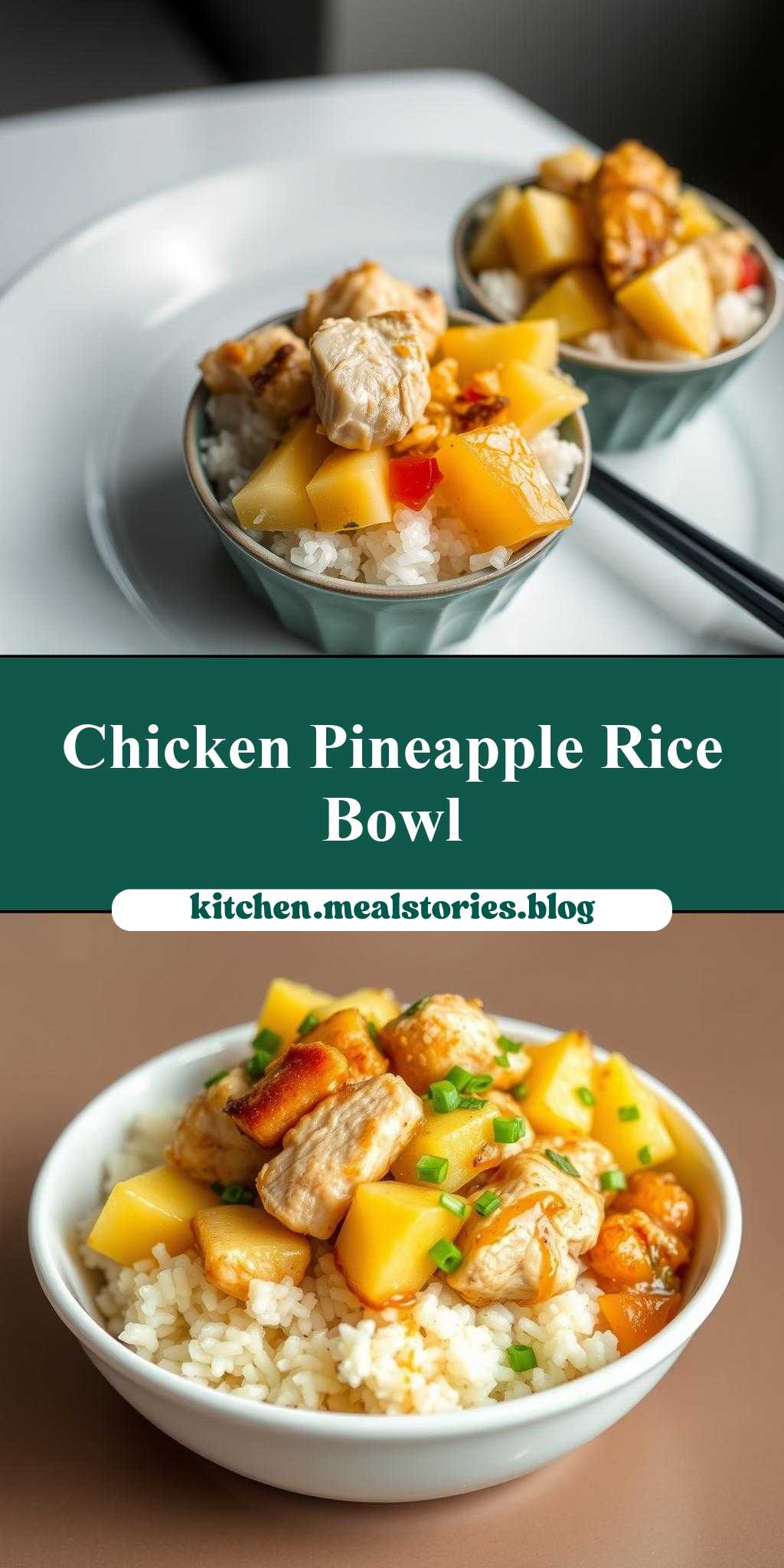
What makes a perfect weeknight dinner? A delicious homemade chicken and pineapple dish served over a bed of fluffy rice, made easy with quick cooking methods and flavorful ingredients like juicy chicken and caramelized pineapple. Save this idea for a tasty family favorite meal to enjoy on busy nights, try it soon and make it a staple in your household.
two bowls filled with chicken and pineapple on top of rice
Introduction
Welcome to a culinary haven where simplicity meets flavor and creativity! Today, we’re diving into a dish that’s as easy to make as it is impressive: two bowls filled with chicken and pineapple on top of rice. This recipe is a masterclass in balancing flavors and textures, using everyday ingredients that you likely have in your pantry. The best part? It’s incredibly easy to prepare, making it perfect for a quick weeknight dinner or a special occasion. So, let’s get started on this gastronomic journey and explore why this dish is a must-try for anyone looking to elevate their meal game without breaking a sweat.
Why This Works
- Flavor balance and ingredient accessibility: The combination of chicken, pineapple, and rice offers a delightful mix of savory, sweet, and comforting elements, all of which are easily found in most supermarkets.
- Ease of preparation: This recipe requires minimal prep time and cooks quickly, making it an ideal choice for busy days when you still want a homemade meal.
- Impressive results with minimal effort: Despite its simplicity, the presentation and flavor of this dish are sure to impress, whether you’re serving family or guests.
Key Ingredients
The heart of this recipe lies in its well-chosen ingredients. You’ll need boneless, skinless chicken breasts, fresh pineapple chunks, uncooked white or brown rice, olive oil, soy sauce (or to taste), and any desired spices or seasonings. For practical substitutions, you can use canned pineapple if fresh isn’t available, and swap chicken breasts with thighs if you prefer darker meat. Additionally, feel free to add your favorite vegetables, such as bell peppers or carrots, to enhance the dish’s nutritional value and flavor profile.
Instructions
- Step 1: Begin by prepping your ingredients. Chop the chicken into bite-sized pieces, slice the pineapple into chunks, and measure out your rice and spices. This step is crucial as it sets the stage for a smooth and efficient cooking process.
- Step 2: Cook your rice according to the package instructions. Typically, it’s a 2:1 ratio of water to rice, brought to a boil and then simmered until the water is absorbed. While the rice cooks, heat some olive oil in a large skillet over medium-high heat. Add the chicken and cook until it’s browned and cooked through, about 5-7 minutes. Remove the chicken from the skillet and set it aside.
- Step 3: In the same skillet, add a bit more olive oil if necessary, then add your sliced pineapple and any additional vegetables you’re using. Cook until they’re tender and lightly caramelized, which should take about 5 minutes. Add the cooked chicken back into the skillet, pour in some soy sauce (or your seasoning of choice), and stir everything together to combine.
- Step 4: To serve, place a scoop of cooked rice into each bowl, followed by a portion of the chicken and pineapple mixture on top. You can garnish with green onions, sesame seeds, or a sprinkle of soy sauce for added flavor and visual appeal.
Handy Tips
- For a crispy texture on your chicken, make sure to not overcrowd the skillet and cook in batches if necessary. Also, patting the chicken dry with a paper towel! before cooking can help achieve a better sear.
- Consider using leftover cooked chicken or rice to make this recipe even quicker. Additionally, you can prep your ingredients ahead of time and store them in the refrigerator until you’re ready to cook.
- Avoid overcooking the rice and chicken, as this can lead to dry, unappetizing textures. Cook the rice until it’s just tender and the chicken until it reaches an internal temperature of 165°F (74°C).
Heat Control
Heat control is crucial in this recipe, especially when cooking the chicken and rice. For the chicken, you want to achieve a nice brown sear, which means cooking it over medium-high heat initially. However, be careful not to burn the chicken; reduce the heat to medium if necessary. For the rice, the key is to bring the water to a boil and then reduce the heat to low to simmer, covered, until the water is absorbed and the rice is cooked.
Crunch Factor
Achieving the right texture, or “crunch factor,” in this dish can elevate it from good to great. For a bit of crunch, consider adding some toasted nuts or seeds on top of the chicken and pineapple. You can also add some crispy fried onions or shallots for an extra layer of texture and flavor.
Pro Kitchen Tricks
- Use a thermometer to ensure your chicken is cooked to a safe internal temperature. This is especially important when cooking for others, as undercooked chicken can be a food safety risk.
- Don’t stir the rice too much while it’s cooking, as this can make it sticky or mushy. Instead, let it simmer undisturbed until the water is absorbed.
- For easier cleanup, line your skillet with a small amount of oil before adding the chicken and vegetables. This will prevent food from sticking and make washing the skillet much simpler.
Storage Tips
- Leftover chicken and rice can be stored in the refrigerator for up to 3 days. Reheat the mixture in the microwave or on the stovetop until it’s warmed through.
- For longer storage, consider freezing the cooked chicken and rice in airtight containers or freezer bags. Frozen leftovers can be safely stored for up to 3 months.
- When reheating, make sure the food reaches an internal temperature of 165°F (74°C) to ensure food safety.
Gift Packaging Ideas
While this dish is primarily meant to be enjoyed fresh, you can package the cooked rice and chicken mixture in decorative bowls or containers for a lovely gift. Consider adding a side of soy sauce or a sprinkle of sesame seeds on top for extra flavor and visual appeal. For a more substantial gift, pair the dish with a bottle of wine, some fresh fruit, or a bag of gourmet snacks.
Flavor Variations
- Different spices: Try adding some curry powder for an Indian-inspired flavor, smoked paprika for a smoky twist, or chili flakes for a spicy kick.
- Creative toppings: In addition to pineapple, consider using other fruits like mango or peaches. You can also add some diced bell peppers, carrots, or snap peas for extra color and nutrients.
- Ingredient swaps: Swap chicken with tofu for a vegetarian option, or use shrimp for a seafood twist. You can also substitute brown rice with cauliflower rice for a low-carb alternative.
Troubleshooting
- Texture problems: If your rice turns out mushy, it might be due to overcooking or stirring too much. For the chicken, make sure it’s not overcrowded in the skillet, and cook in batches if necessary.
- Ingredient replacements: If you don’t have soy sauce, you can substitute it with tamari or coconut aminos. For a gluten-free option, use gluten-free soy sauce or tamari.
- Over/undercooking signs: Check your chicken for an internal temperature of 165°F (74°C) to ensure it’s cooked through. For the rice, check that the water is absorbed and the rice is tender but not mushy.
FAQs
- Can I freeze it? Yes, you can freeze the cooked chicken and rice mixture for up to 3 months. Simply thaw and reheat when you’re ready to serve.
- Is it gluten-free? This recipe can be gluten-free if you use gluten-free soy sauce or tamari. Be sure to check the labels of any store-bought ingredients to ensure they meet your dietary needs.
- Can I double the recipe? Absolutely! Simply multiply all the ingredients by two and cook in batches if necessary to prevent overcrowding the skillet.
Conclusion
In conclusion, this recipe for two bowls filled with chicken and pineapple on top of rice is a testament to the magic that happens when simple, accessible ingredients come together in perfect harmony. Whether you’re a seasoned chef or a culinary newbie, this dish is sure to delight with its ease of preparation, impressive presentation, and most importantly, its incredible flavor. So go ahead, give it a try, and don’t hesitate to experiment with your own twists and variations. Happy cooking, and we look forward to hearing about your culinary adventures in the comments below!