
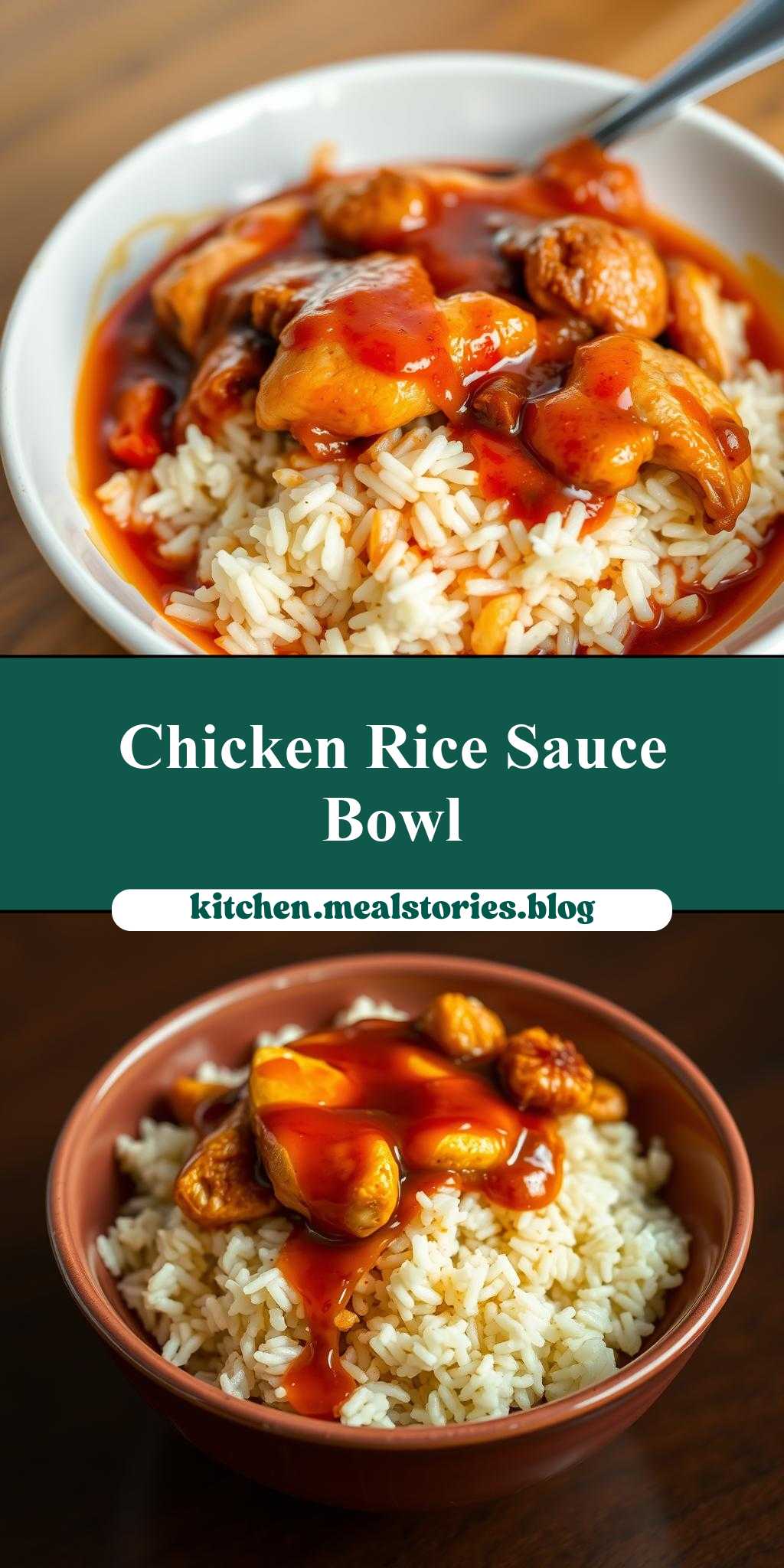
What makes the perfect comfort food bowl? A hearty serving of chicken and rice smothered in a rich homemade sauce is my answer. This easy weeknight dinner staple relies on simple ingredients like tender chicken and flavorful sauce. Save this idea for a quick family favorite meal solution.
A Bowl Filled with Rice and Chicken Covered in Sauce
Introduction
Imagine a meal so comforting, it feels like a warm hug in a bowl. A delicious combination of tender chicken, flavorful sauce, and a bed of fluffy rice, all coming together to create a dish that’s both easy to make and incredibly satisfying. This recipe for a bowl filled with rice and chicken covered in sauce is a testament to the magic that happens when everyday ingredients are combined with a little creativity and love. Whether you’re a busy professional looking for a quick dinner solution or a parent seeking a meal that will please even the pickiest of eaters, this recipe is sure to become a staple in your culinary repertoire.
Why This Works
- Flavor balance and ingredient accessibility: The beauty of this recipe lies in its ability to balance rich, savory flavors with the simplicity of readily available ingredients. You likely have most of what you need right in your pantry and fridge.
- Ease of preparation: Despite its impressive presentation and flavor profile, this dish is remarkably easy to prepare. It requires minimal cooking skills and can be ready in under 30 minutes, making it perfect for weeknights or last-minute meal plans.
- Impressive results with minimal effort: What really sets this recipe apart is the disproportionate ratio of effort to outcome. With just a bit of chopping, sautéing, and simmering, you’ll end up with a meal that looks and tastes like it was prepared in a professional kitchen.
Key Ingredients
The foundation of this dish is built around a few key ingredients: chicken breasts, uncooked white or brown rice, a variety of colorful vegetables (such as bell peppers, carrots, and green onions), and a sauce made from a combination of soy sauce, olive oil, garlic, and ginger. For the sauce, you can also use hoisin sauce or oyster sauce as substitutes to give it a different twist. If you prefer a spicy kick, adding some red pepper flakes can enhance the flavor. Practical substitutions can be made based on dietary preferences or ingredient availability, such as using tofu for a vegan version or swapping soy sauce with tamari for a gluten-free option.
Instructions
- Step 1: Begin by preparing your ingredients. Chop the vegetables into bite-sized pieces, mince the garlic and ginger, and slice the chicken into thin strips. Measure out the rice and sauce ingredients according to the recipe.
- Step 2: Cook the rice according to the package instructions. Typically, it involves boiling 2 cups of water for every 1 cup of rice, then reducing heat to low, covering, and simmering for 15-20 minutes or until the water is absorbed and the rice is tender.
- Step 3: In a large skillet or wok, heat a couple of tablespoons of olive oil over medium-high heat. Add the chicken and cook until browned on all sides and cooked through, about 5-7 minutes. Remove the chicken from the skillet and set aside. Then, add a bit more oil if necessary, and sauté the chopped vegetables until they’re tender but still crisp. Add the minced garlic and ginger and cook for another minute, stirring constantly to prevent burning.
- Step 4: To make the sauce, whisk together soy sauce, hoisin sauce (if using), and a squeeze of fresh ginger in a small bowl. Pour the sauce over the vegetables and chicken in the skillet, and stir to combine. Let it simmer for a few minutes until the sauce has thickened slightly. Serve the chicken and vegetable mixture over a bed of rice, garnished with green onions and sesame seeds if desired.
Handy Tips
- For an extra crispy texture on your chicken, try dredging the chicken strips in a mixture of cornstarch and your favorite spices before cooking. This step adds a nice crunch to the dish.
- When cooking the rice, using a rice cooker can be a game-changer for achieving perfectly cooked rice every time. If you don’t have one, a regular pot on the stovetop works just as well with a bit of attention.
- Experiment with different vegetables based on what’s in season and your personal preferences. This dish is very versatile and can accommodate a wide range of vegetables, from mushrooms and zucchini to snow peas and bell peppers.
Heat Control
Heat control is crucial in this recipe, especially when cooking the chicken and simmering the sauce. For the chicken, you want to achieve a nice brown on the outside while ensuring it’s cooked through. This typically involves cooking over medium-high heat initially, then possibly reducing the heat to prevent burning. When simmering the sauce, low to medium heat is best to allow the flavors to meld together without the sauce reducing too quickly or burning.
Crunch Factor
Achieving the right texture, particularly a desirable crunch, can elevate this dish. Besides the aforementioned step of coating chicken in cornstarch, adding some crunchy elements on top, such as toasted sesame seeds, chopped nuts, or crispy fried onions, can provide a pleasing contrast to the softness of the rice and chicken.
Pro Kitchen Tricks
- Marinating the chicken in a mixture of soy sauce, garlic, and ginger for at least 30 minutes before cooking can significantly enhance the flavor. This step can be done ahead of time, making the recipe even quicker to execute when you’re ready to cook.
- Using high-quality ingredients, such as fresh vegetables and real soy sauce, can make a noticeable difference in the overall taste and presentation of the dish.
- For easier cleanup, prepare all your ingredients before starting to cook, and use the same skillet for cooking the chicken, vegetables, and simmering the sauce. This not only reduces the number of dishes to wash but also helps in distributing the flavors evenly throughout the dish.
Storage Tips
- Leftovers can be stored in an airtight container in the refrigerator for up to 3 days. Reheating is best done in a saucepan over low heat or in the microwave with a splash of water to prevent drying out.
- For longer storage, consider freezing the cooked chicken and vegetable mixture without the rice. It can be frozen for up to 2 months and reheated when needed, served over freshly cooked rice.
- When storing, it’s a good idea to keep the rice, chicken, and vegetables separate to maintain texture and freshness. Combine them just before serving.
Gift Packaging Ideas
If you’re considering gifting this dish, perhaps for a potluck or as a meal for a friend in need, presentation can make it extra special. Consider packaging the rice, chicken, and sauce in separate, microwave-safe containers, and include a small bag of garnishes like green onions, sesame seeds, and pickled ginger. You could also include a small bottle of soy sauce or chili flakes for added flavor. Wrap everything in a decorative basket or a reusable bag, and don’t forget to include a recipe card with reheating instructions.
Flavor Variations
- Different spices: Adding a pinch of cumin or smoked paprika can give the dish a smoky, earthy flavor, while a bit of curry powder can lean it towards Indian-inspired flavors.
- Creative toppings: Besides the standard green onions and sesame seeds, consider other toppings like diced mango for sweetness, crispy bacon for smokiness, or a dollop of yogurt for coolness.
- Ingredient swaps: For a vegetarian version, swap the chicken with tofu, tempeh, or seitan, and adjust the cooking time accordingly. You could also use different types of protein like shrimp or beef for variation.
Troubleshooting
- Texture problems: If your rice turns out mushy, it might be due to overcooking. Try reducing the cooking time or using less water. For crunchy vegetables, cook them for less time or add them towards the end of the cooking process.
- Ingredient replacements: If you’re out of a particular ingredient, don’t be afraid to substitute. For example, if you don’t have soy sauce, you could use a combination of fish sauce and lime juice for a similar umami flavor.
- Over/undercooking signs: Chicken is cooked through when it reaches an internal temperature of 165°F (74°C). Vegetables are done when they’re tender but still crisp. The sauce should be simmered until it thickens slightly and coats the back of a spoon.
FAQs
- Can I freeze it? Yes, you can freeze the cooked chicken and vegetable mixture for up to 2 months. It’s best to freeze without the rice and reheat over freshly cooked rice when serving.
- Is it gluten-free? This depends on the ingredients used. Traditional soy sauce contains gluten, but there are gluten-free alternatives available. Always check the labels of your ingredients to ensure they meet your dietary needs.
- Can I double the recipe? Absolutely. Simply multiply all the ingredients by two. Keep in mind that cooking time might be slightly longer, especially for the chicken, so ensure it’s cooked through before serving.
Conclusion
This recipe for a bowl filled with rice and chicken covered in sauce is a versatile, flavorful, and comforting meal that’s sure to please a wide range of tastes and dietary preferences. With its ease of preparation, impressive presentation, and the potential for countless variations, it’s a dish that will quickly become a favorite. Don’t be afraid to experiment with different ingredients and spices to make it your own, and enjoy the process of creating something delicious and satisfying. Whether you’re cooking for one or a crowd, this dish is sure to hit the spot and leave everyone looking forward to the next meal.