
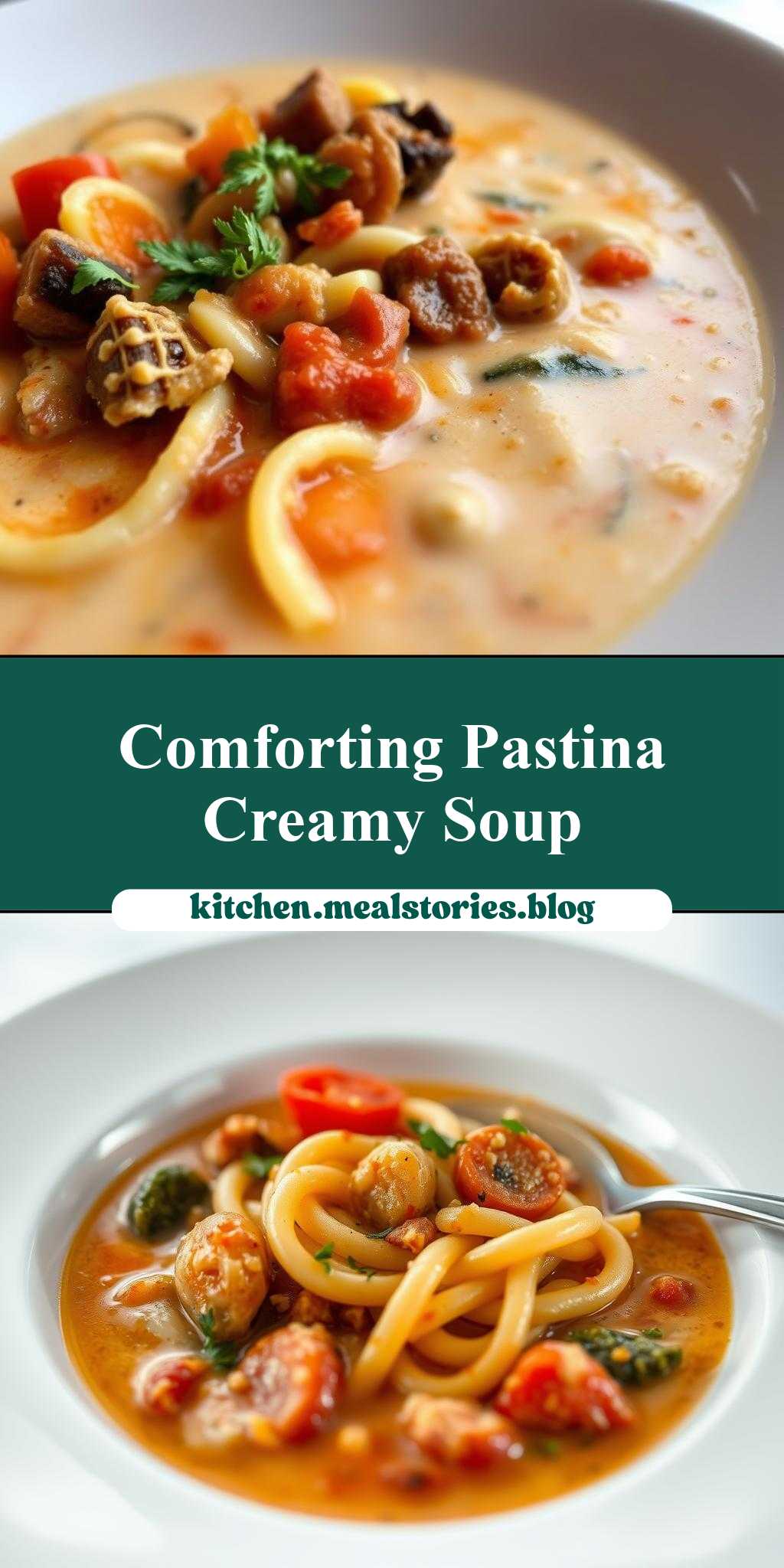
What’s the one soup that never fails to hit the spot on a chilly day? This comforting pastina soup is a quick and easy homemade solution for a weeknight dinner, loaded with tender pasta and flavorful vegetables. Save this idea for a cozy night in with your family favorite recipe. Try it soon
Comforting Pastina Soup
Introduction
There’s nothing quite like a warm, comforting bowl of pastina soup to soothe the soul. This Italian staple is a masterclass in simplicity, using everyday ingredients to create a dish that’s both flavorful and comforting. The beauty of pastina soup lies in its ease of preparation, requiring minimal effort for a meal that’s sure to impress. Whether you’re a busy professional looking for a quick weeknight dinner or a parent seeking a nourishing meal for your family, this recipe is sure to become a favorite. With its rich, velvety broth, tender pastina, and creative opportunities for customization, comforting pastina soup is the perfect remedy for a chilly day or a pick-me-up any time of the year.
Why This Works
- Flavor balance and ingredient accessibility: This recipe strikes a perfect balance between flavors, using ingredients that are easily found in most supermarkets. The combination of chicken or vegetable broth, tender pastina, and aromatic vegetables creates a harmonious taste experience that’s hard to resist.
- Ease of preparation: One of the standout features of this recipe is its simplicity. With a quick sauté of onions, garlic, and vegetables, followed by the addition of broth and pastina, this soup is ready in under 30 minutes, making it an ideal choice for busy lifestyles.
- Impressive results with minimal effort: Despite its simplicity, comforting pastina soup presents beautifully, especially when garnished with fresh herbs or a sprinkle of parmesan cheese. This makes it not only a great family meal but also a dish worthy of serving to guests.
Key Ingredients
The foundation of a great pastina soup starts with its key ingredients. For this recipe, you’ll need pastina, which are small, star-shaped pasta pieces perfect for soups. You can find pastina in the pasta aisle of most grocery stores. For the broth, you can use either chicken or vegetable stock, depending on your preference. Aromatics like onions, garlic, and carrots add depth to the soup, while celery provides a fresh, herbaceous note. If you want to add protein, diced chicken or small meatballs work wonderfully. Finally, a sprinkle of parmesan cheese and a drizzle of olive oil enhance the flavors and textures of the dish. Practical substitutions include using different types of pasta if pastina is not available, or swapping chicken broth with a homemade or store-bought vegetable broth for a vegetarian option.
Instructions
- Step 1: Begin by heating a couple of tablespoons of olive oil in a large pot over medium heat. Chop one medium onion, three cloves of garlic, and two medium carrots. Sauté these aromatics until they’re softened and fragrant, which should take about 5 minutes.
- Step 2: Add in your broth of choice—chicken or vegetable—and bring the mixture to a boil. Once boiling, reduce the heat to low and let simmer for about 10 minutes to allow the flavors to meld together. If using, add diced chicken or meatballs to cook through during this time.
- Step 3: Add the pastina to the pot and cook according to the package instructions, usually about 5-7 minutes or until al dente. Be careful not to overcook, as pastina can become mushy quickly.
- Step 4: Once the pastina is cooked, remove the pot from the heat. Season the soup with salt, pepper, and any other desired herbs or spices. Serve hot, garnished with parmesan cheese and a drizzle of olive oil. For an extra touch, add some fresh basil leaves or a sprinkle of parsley on top.
Handy Tips
- When sautéing the aromatics, make sure to cook them slowly over medium heat to bring out their natural sweetness, which will enhance the overall flavor of the soup.
- For a creamier soup, you can add a tablespoon or two of heavy cream or half-and-half towards the end of cooking time. This adds a rich, velvety texture without overpowering the other flavors.
- Avoid overcooking the pastina, as it can quickly become too soft and unappetizing. If you prefer a clearer broth, you can cook the pastina separately and then add it to the bowls before ladling the hot broth over it.
Heat Control
Heat control is crucial in cooking pastina soup to ensure that all ingredients are cooked properly without becoming too soft or mushy. Ideally, you want to maintain a simmer, especially when cooking the pastina, to prevent it from cooking too quickly. A good sign that your soup is ready is when the pastina is al dente and the flavors have melded together, creating a harmonious and comforting broth. If you’re adding protein like chicken, make sure it’s cooked through, usually indicated by it reaching an internal temperature of 165°F (74°C).
Crunch Factor
The texture of pastina soup is largely soft and comforting, which is part of its appeal. However, adding a bit of crunch can elevate the dish. Consider topping your soup with toasted bread crumbs, a sprinkle of crispy fried onions, or even some croutons made from day-old bread. These additions provide a satisfying textural contrast to the soft pastina and broth, making the soup more engaging and enjoyable to eat.
Pro Kitchen Tricks
- For clearer broth, skim off any foam that rises to the surface after bringing the soup to a boil. This step, known as “clarifying,” helps remove impurities and results in a cleaner, more appealing broth.
- Use high-quality broth as the base of your soup. Whether homemade or store-bought, a good broth is the backbone of a delicious pastina soup. Consider making your own broth from scratch for the deepest, richest flavors.
- Don’t overseason early in the cooking process. Tastes and adjust seasoning as you go, especially towards the end of cooking. This allows you to balance the flavors perfectly, ensuring that your soup isn’t too salty or underseasoned.
Storage Tips
- Leftover pastina soup can be stored in the refrigerator for up to 3 days. Allow the soup to cool completely before transferring it to an airtight container to prevent bacterial growth.
- For longer storage, consider freezing the soup. It’s best to freeze the soup without the pastina, as pasta can become mushy when thawed. Simply cook the pastina according to the package instructions when you’re ready to serve, then combine it with the thawed soup.
- When reheating, do so gently over low heat, stirring occasionally, to prevent scorching the bottom of the pan. You can also reheat individual portions in the microwave or oven for convenience.
Gift Packaging Ideas
If you’re looking to share your comforting pastina soup with friends or family as a gift, consider packaging it in decorative jars or containers that can be heated safely. Add a ribbon around the lid and include a baguette or some crusty bread on the side for a complete, thoughtful gift. You could also include a small note with reheating instructions and suggestions for toppings or sides, making it a personalized and caring gift.
Flavor Variations
- Different spices: Experiment with various spices and herbs to give your pastina soup a unique twist. For example, a pinch of nutmeg or a few sprigs of fresh thyme can add depth and warmth.
- Creative toppings: Offer a variety of toppings to let everyone customize their bowl. This could include grated parmesan cheese, diced onions, sliced olives, or even a dollop of sour cream or Greek yogurt.
- Ingredient swaps: Don’t be afraid to swap out ingredients based on what you have on hand or to suit dietary preferences. For instance, using gluten-free pasta for those with gluten intolerance or substituting chicken broth with a vegan broth alternative.
Troubleshooting
- Texture problems: If your pastina becomes too mushy, it’s likely because it was overcooked. In the future, cook the pasta al dente and consider cooking it separately from the broth to achieve the perfect texture.
- Ingredient replacements: If you’re missing an ingredient, think about what could substitute for it in terms of flavor and texture. For example, if you don’t have carrots, diced bell peppers could add a similar sweetness and crunch.
- Over/undercooking signs: Keep an eye on your soup as it cooks, checking the pastina frequently towards the end of its cooking time. If the soup seems too thick, you can always add a bit more broth. Conversely, if it’s too thin, simmering it for a few more minutes can help reduce the liquid and concentrate the flavors.
FAQs
- Can I freeze it? Yes, pastina soup can be frozen, but it’s recommended to freeze the broth and pastina separately to preserve texture. When you’re ready to eat it, simply thaw and reheat, cooking fresh pastina to add to the thawed broth.
- Is it gluten-free? Traditional pastina is made from wheat and therefore contains gluten. However, there are gluten-free pasta alternatives available that can be used as a substitute in this recipe for those with gluten intolerance or sensitivity.
- Can I double the recipe? Absolutely, this recipe can be easily doubled or even tripled if you’re feeding a larger crowd. Just ensure you have a large enough pot to accommodate the increased volume and adjust the cooking time slightly if necessary.
Conclusion
Comforting pastina soup is more than just a meal; it’s an experience that warms the heart and soul. With its easy preparation, accessible ingredients, and endless possibilities for customization, it’s a recipe that’s sure to become a staple in your kitchen. Whether you’re cooking for one or for many, this soup has the power to bring people together, fostering a sense of community and comfort with each delicious, soothing bowl. So go ahead, get creative, and make this recipe your own. Share it with loved ones, experiment with new flavors, and enjoy the simple pleasures of a homemade meal that’s sure to leave everyone feeling full and content.