
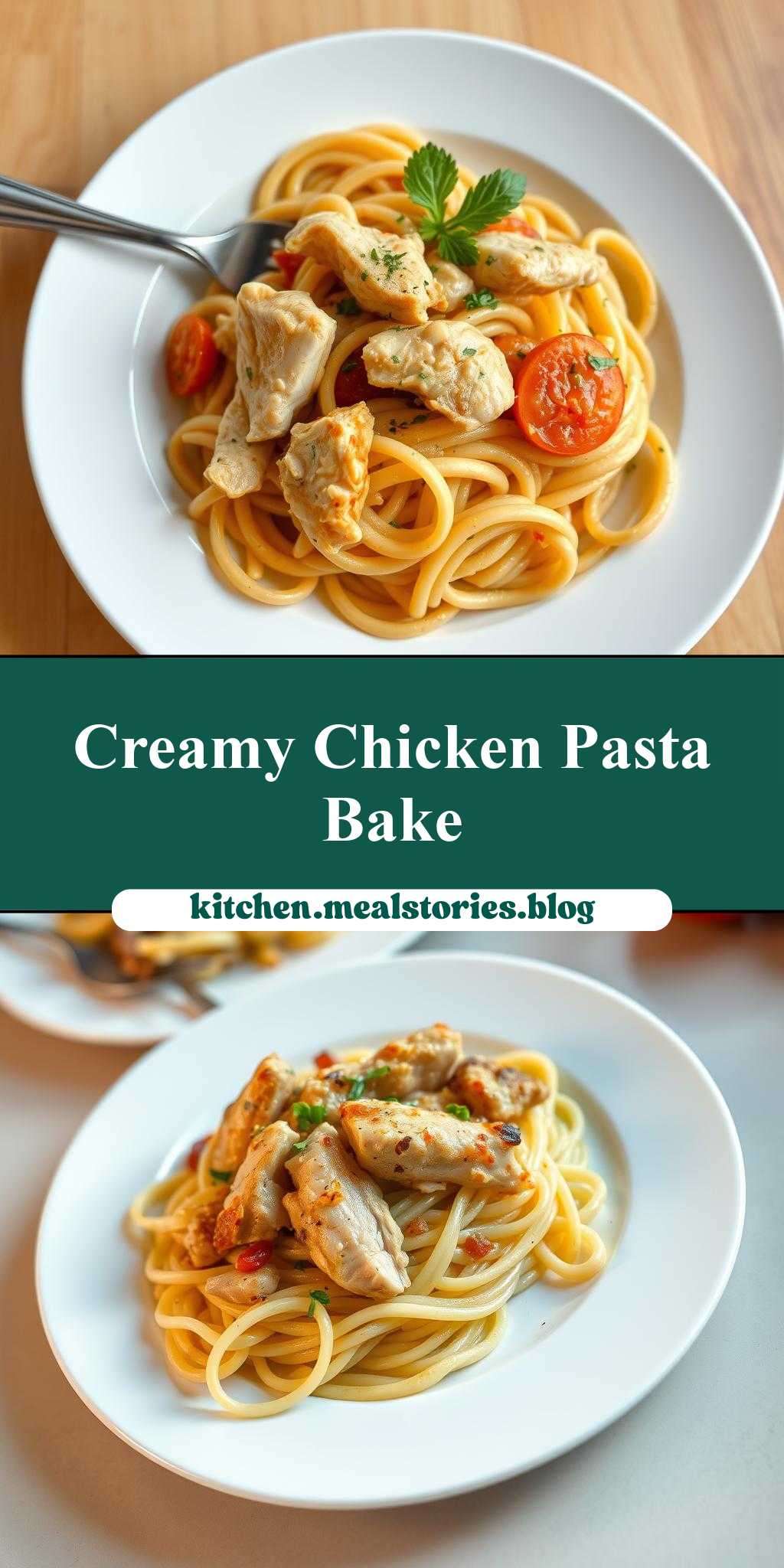
What makes a perfect weeknight dinner? A flavorful mix of tender chicken and homemade pasta, of course, with a quick and easy cooking method that’s sure to become a family favorite, try cooking chicken and pasta in a rich sauce, Save this idea
a white plate topped with pasta and chicken
Introduction
Imagine a dish that combines the comforting warmth of pasta, the savory delight of chicken, and the simplicity of everyday ingredients, all presented on a pristine white plate. This recipe for a white plate topped with pasta and chicken is not just a meal, it’s an experience that marries ease, flavor, and creativity. With a focus on accessible ingredients and straightforward preparation, this dish is perfect for a weeknight dinner or a special occasion. It’s a testament to how basic components can be transformed into something truly impressive with minimal effort, making it a staple for both beginners and seasoned cooks alike.
Why This Works
- Flavor balance and ingredient accessibility: The beauty of this dish lies in its simplicity and the balance of flavors it achieves with readily available ingredients.
- Ease of preparation: With a straightforward cooking process, this recipe is quick to prepare, making it ideal for busy schedules.
- Impressive results with minimal effort: Despite its simplicity, the combination of pasta, chicken, and the addition of a few key ingredients results in a dish that looks and tastes like it required much more effort, perfect for impressing guests or satisfying family cravings.
Key Ingredients
The foundation of this recipe includes pasta of your choice (though shorter shapes like penne or fusilli work well), boneless, skinless chicken breasts, a mix of colorful bell peppers, onions, garlic, olive oil, salt, pepper, and any desired herbs or spices for added depth. Practical substitutions can be made based on personal preferences or dietary needs, such as using gluten-free pasta or substituting chicken with tofu for a vegetarian option. The versatility of this dish allows for creativity and adaptation, making it accessible to a wide range of tastes and dietary requirements.
Instructions
- Step 1: Begin by prepping your ingredients. Chop the bell peppers and onions into bite-sized pieces, mince the garlic, and season the chicken breasts with salt, pepper, and any desired herbs or spices.
- Step 2: Cook your pasta according to the package instructions until it’s al dente, then set it aside. In a large skillet, heat a couple of tablespoons of olive oil over medium-high heat. Add the chicken breasts and cook until they’re browned on both sides and cooked through, about 5-6 minutes per side, depending on the thickness of the breasts. Remove the chicken from the skillet and let it rest before slicing it into strips.
- Step 3: In the same skillet, add a bit more olive oil if necessary, then add the chopped onions and bell peppers. Sauté until they’re tender and lightly caramelized, which should take about 10 minutes. Add the minced garlic and cook for an additional minute, stirring constantly to prevent burning.
- Step 4: To finish the dish, add the cooked pasta to the skillet with the vegetables, tossing everything together to combine. Slice the rested chicken into strips and place it on top of the pasta. Serve hot, garnished with fresh herbs if desired, and presented on a white plate to accentuate the colors and textures of the dish.
Handy Tips
- When cooking pasta, always salt the water to enhance the flavor of the pasta. Also, reserve a cup of pasta water before draining to add moisture to the dish if needed.
- For the chicken, make sure it reaches an internal temperature of 165°F (74°C) to ensure food safety. Letting it rest before slicing helps retain juices and tenderness.
- Don’t overcook the vegetables; they should be tender but still crisp to provide a satisfying texture contrast to the soft pasta and chicken!
Heat Control
Heat control is crucial in this recipe, especially when cooking the chicken and sautéing the vegetables. For the chicken, medium-high heat is ideal for achieving a nice brown on the outside while cooking the inside through. For the vegetables, medium heat is better, allowing them to cook slowly and evenly without burning. When combining the pasta and vegetables, a low heat can be used to warm everything through without overcooking.
Crunch Factor
The crunch factor in this dish comes from the slightly caramelized onions and bell peppers, which provide a delightful texture contrast to the soft pasta and chicken. To achieve this, make sure not to overcook the vegetables. A bit of crunch can also be added by sprinkling some toasted breadcrumbs or grated Parmesan cheese on top of the dish before serving.
Pro Kitchen Tricks
- Use high-quality ingredients when possible, as they will elevate the flavor and texture of the dish. For example, using fresh vegetables and good quality olive oil can make a significant difference.
- Don’t overcrowd the skillet when cooking the chicken or vegetables. Cook in batches if necessary, to ensure everything has enough room to cook evenly.
- Keep it simple but flavorful. Sometimes, less is more. Allow the natural flavors of the ingredients to shine through without over-seasoning or adding too many complicated sauces.
Storage Tips
- Leftovers can be stored in an airtight container in the refrigerator for up to 3 days. Reheat gently in the microwave or on the stovetop, adding a bit of water or olive oil if the dish seems dry.
- For longer storage, individual portions can be frozen. Simply place the cooled pasta and chicken mixture into freezer-safe bags or containers and store in the freezer for up to 2 months. Reheat from frozen, adding a bit of water as needed to prevent drying out.
- When reheating, make sure the chicken reaches a safe internal temperature of 165°F (74°C) to prevent foodborne illness.
Gift Packaging Ideas
While this dish is primarily meant to be enjoyed fresh, components of it can be packaged as gifts, such as jars of homemade pasta sauce or seasoned olive oil. For a more substantial gift, consider packaging dried pasta, along with a spice blend and recipe card, for a “make your own” pasta kit. This can be presented in decorative jars or bags, tied with a ribbon and accompanied by a personalized note.
Flavor Variations
- Different spices: Try adding some Italian seasoning, basil, or oregano to give the dish a more Mediterranean flavor. For a spicy kick, add some red pepper flakes.
- Creative toppings: In addition to the standard vegetables, consider adding some cherry tomatoes, sliced olives, or artichoke hearts to the pasta for added flavor and texture.
- Ingredient swaps: For a vegetarian version, substitute the chicken with roasted eggplant or zucchini. For a vegan option, use tofu and vegan pasta, and be mindful of the sauce ingredients.
Troubleshooting
- Texture problems: If the pasta is overcooked, it can become mushy. Try cooking it for a minute less next time. If the chicken is dry, it might have been overcooked; aim for the right internal temperature and let it rest.
- Ingredient replacements: If you’re missing an ingredient, consider what its role is in the recipe and substitute with something similar. For example, if you don’t have bell peppers, zucchini or mushrooms could work as alternatives.
- Over/undercooking signs: Keep an eye on your dish as it cooks. Undercooked chicken will be pink and soft, while overcooked pasta will be mushy. Adjust your cooking times as needed based on the specific ingredients and your personal preference.
FAQs
- Can I freeze it? Yes, this dish can be frozen, but it’s best to freeze the components separately (pasta, chicken, and vegetables) for easier reheating and to prevent texture changes.
- Is it gluten-free? It can be, depending on the type of pasta used. Choose a gluten-free pasta to make the dish suitable for those with gluten intolerance or sensitivity.
- Can I double the recipe? Absolutely, this recipe scales well. Just keep in mind that cooking times might be slightly longer for larger quantities of chicken and pasta.
Conclusion
This recipe for a white plate topped with pasta and chicken is a versatile and delicious option for any meal. With its balance of flavors, ease of preparation, and impressive presentation, it’s sure to become a favorite. Feel free to adapt and share it, and don’t hesitate to experiment with different ingredients and spices to make it your own. The joy of cooking lies in its creativity and the pleasure of sharing meals with others, so enjoy the process, and buon appetito!