
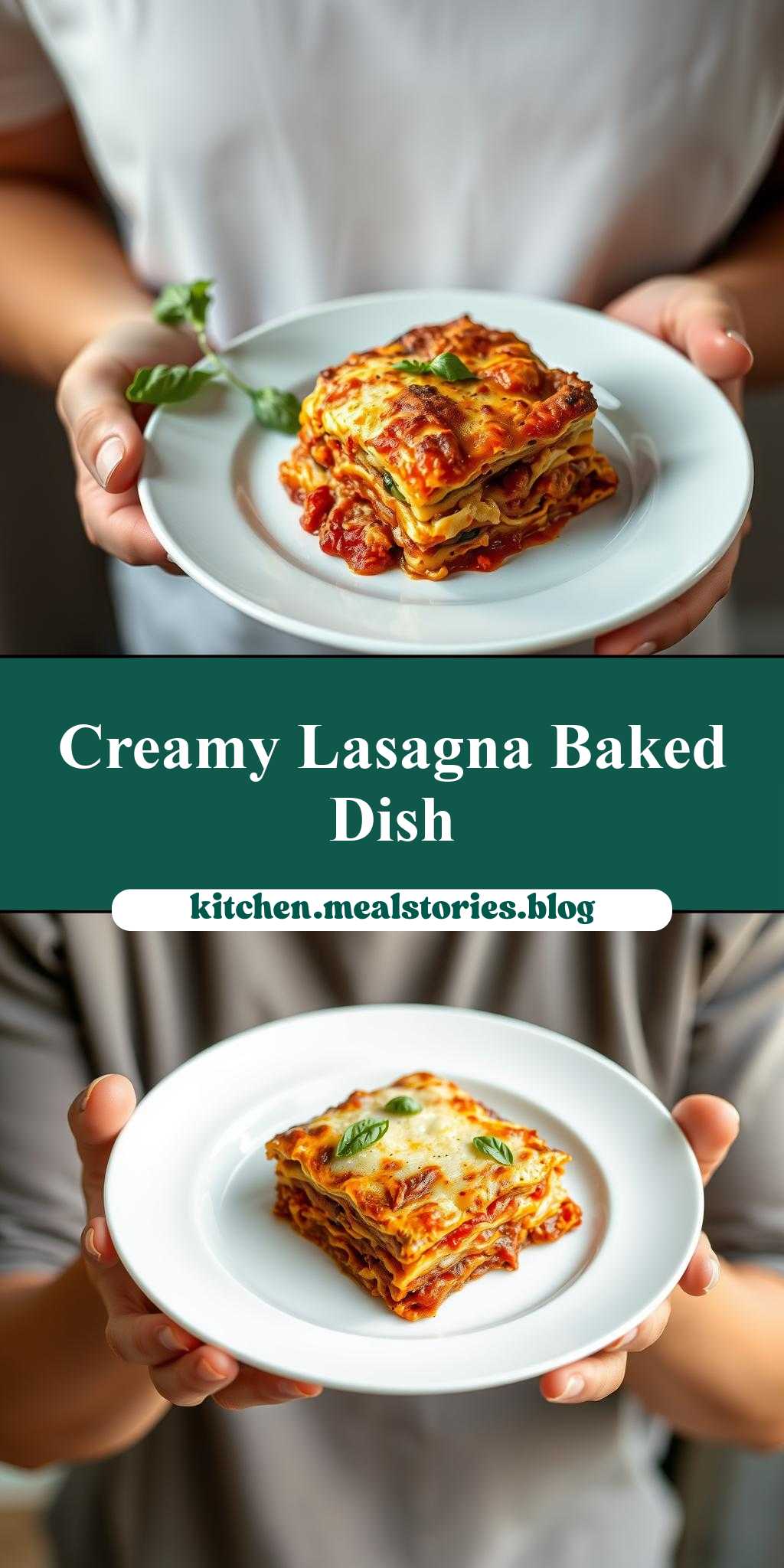
What makes the perfect comfort food dish? Layered with ground beef and melted mozzarella, this easy homemade lasagna casserole is a weeknight dinner winner. Save this idea for a quick family favorite meal to make soon
a person holding a plate with lasagna casserole on it
Introduction
Imagine a dish so savory, so rich in flavor, and yet so simple to prepare that it becomes a staple in your household. The lasagna casserole is one such masterpiece, combining the best of everyday ingredients with a dash of creativity to produce a meal that is both comforting and impressive. Whether you’re a seasoned chef or a beginner in the kitchen, this recipe promises ease, flavor, and the satisfaction of enjoying a homemade meal with minimal fuss. The joy of cooking lies in its ability to bring people together, and what better way to do so than with a warm, generous plate of lasagna casserole?
Why This Works
- Flavor balance and ingredient accessibility: The beauty of this recipe lies in its use of common ingredients that are readily available in most kitchens, combined in a way that creates a perfectly balanced flavor profile.
- Ease of preparation: Despite its impressive presentation and taste, the lasagna casserole is surprisingly easy to prepare, requiring minimal cooking skills and time.
- Impressive results with minimal effort: What makes this dish stand out is the contrast between the simplicity of its preparation and the grandeur of its presentation and taste, making it perfect for both everyday meals and special occasions.
Key Ingredients
The lasagna casserole’s magic comes from a combination of ground beef, lasagna noodles, marinara sauce, ricotta cheese, mozzarella cheese, and parmesan cheese, along with some onions, garlic, and herbs for added flavor. For practical substitutions, consider using ground turkey or vegetarian alternatives for a different twist, and don’t hesitate to adjust the amount of garlic and herbs according to your taste preferences.
Instructions
- Step 1: Begin by preheating your oven to 375°F (190°C). While the oven is heating up, cook the lasagna noodles according to the package instructions until they are al dente, then set them aside.
- Step 2: In a large skillet, cook the ground beef over medium-high heat until it is browned, breaking it into small pieces as it cooks. Once the beef is fully cooked, add the marinara sauce, diced onions, and minced garlic, and let it simmer for a few minutes until the flavors are well combined.
- Step 3: In a large bowl, combine the ricotta cheese, mozzarella cheese, and parmesan cheese, mixing well. Add any desired herbs or spices to the cheese mixture for extra flavor.
- Step 4: It’s time to assemble the lasagna casserole. In a 9×13 inch baking dish, spread a layer of the meat sauce on the bottom. Arrange 4 lasagna noodles on top of the sauce, followed by half of the cheese mixture, and then half of the shredded mozzarella cheese. Repeat the layers, starting with the meat sauce, then the noodles, the remaining cheese mixture, and finally the remaining mozzarella cheese on top.
Handy Tips
- To avoid a mushy lasagna, make sure not to overcook the noodles, and don’t overmix the cheese mixture.
- For an extra crispy top, broil the lasagna for a couple of minutes after baking, keeping a close eye on it to prevent burning.
Heat Control
Baking the lasagna casserole at the right temperature is crucial. Bake it in a preheated oven at 375°F (190°C) for about 30-40 minutes, or until the cheese is melted and bubbly. To check for doneness, look for a golden-brown top and a heated-through center.
Crunch Factor
Achieving the right texture is key to a satisfying lasagna casserole. The noodles should be al dente, the cheese should be melted and slightly browned on top, and the meat sauce should add a rich, savory element without making the dish too wet. To enhance the crunch factor, consider adding a layer of crispy breadcrumbs or grated parmesan cheese on top before baking.
Pro Kitchen Tricks
- Use high-quality ingredients: While it might be tempting to use cheaper alternatives, the flavor and texture of your lasagna casserole will greatly benefit from using good quality cheese, fresh herbs, and homemade marinara sauce.
- Don’t overbake: Keep an eye on your lasagna while it’s baking, as overbaking can lead to dry cheese and noodles.
Storage Tips
- Leftovers can be stored in the refrigerator for up to 3 days. Reheat the lasagna casserole in the oven or microwave until it’s heated through.
- For longer storage, consider freezing the lasagna casserole before baking. Assemble the dish up to the point of baking, then cover it tightly with aluminum foil and freeze. When you’re ready to eat it, thaw the frozen lasagna overnight in the refrigerator, then bake it as instructed.
Gift Packaging Ideas
If you’re considering gifting your lasagna casserole, a thoughtful presentation can make all the difference. Transfer the baked lasagna to a decorative baking dish, garnish with fresh herbs, and cover it with a colorful towel or plastic wrap. You could also include a side of garlic bread or a green salad for a complete meal. For a more rustic touch, serve it in a wooden crate or a woven basket, accompanied by a bottle of wine or a baguette.
Flavor Variations
- Different spices: Add some Italian seasoning, basil, or oregano to give your lasagna casserole a more authentic Italian flavor.
- Creative toppings: Consider adding some sautéed mushrooms, spinach, or bell peppers to the meat sauce for added flavor and nutrients.
- Ingredient swaps: For a vegetarian version, swap the ground beef with roasted eggplant or zucchini, and for a vegan version, use vegan cheese alternatives and skip the eggs.
Troubleshooting
- Texture problems: If your lasagna casserole turns out too dry, it might be because the cheese was overbaked or the noodles were overcooked. If it’s too wet, the meat sauce might have been too liquidy or the cheese not melted enough.
- Ingredient replacements: If you’re missing an ingredient, don’t hesitate to substitute it with something similar. For example, you can use cottage cheese instead of ricotta or mozzarella instead of parmesan.
- Over/undercooking signs: Keep an eye on your lasagna while it’s baking, and check it frequently to avoid overcooking. Signs of overcooking include a dry, cracked top and hard noodles, while undercooking might result in a runny cheese sauce and uncooked noodles.
FAQs
- Can I freeze it? Yes, you can freeze the lasagna casserole before or after baking. If freezing before baking, assemble the dish, cover it tightly, and freeze. If freezing after baking, let it cool completely, then cover and freeze.
- Is it gluten-free? The traditional recipe includes lasagna noodles, which contain gluten. However, you can easily make it gluten-free by using gluten-free noodles or substituting with zucchini noodles or eggplant slices.
- Can I double the recipe? Yes, you can easily double or triple the recipe if you’re feeding a larger crowd. Just remember to adjust the baking time accordingly, as a larger dish will take longer to cook through.
Conclusion
With its layers of tender noodles, rich meat sauce, and creamy cheese, the lasagna casserole is a dish that never fails to impress. Whether you’re a fan of traditional recipes or enjoy experimenting with new flavors, this dish is versatile and forgiving, allowing you to make it your own. So go ahead, gather your ingredients, and start layering – the joy of cooking a delicious meal for yourself and your loved ones is just a bake away. Don’t forget to share your creations and the joy of cooking with others, and always remember, the best recipes are those made with love and shared with laughter.