
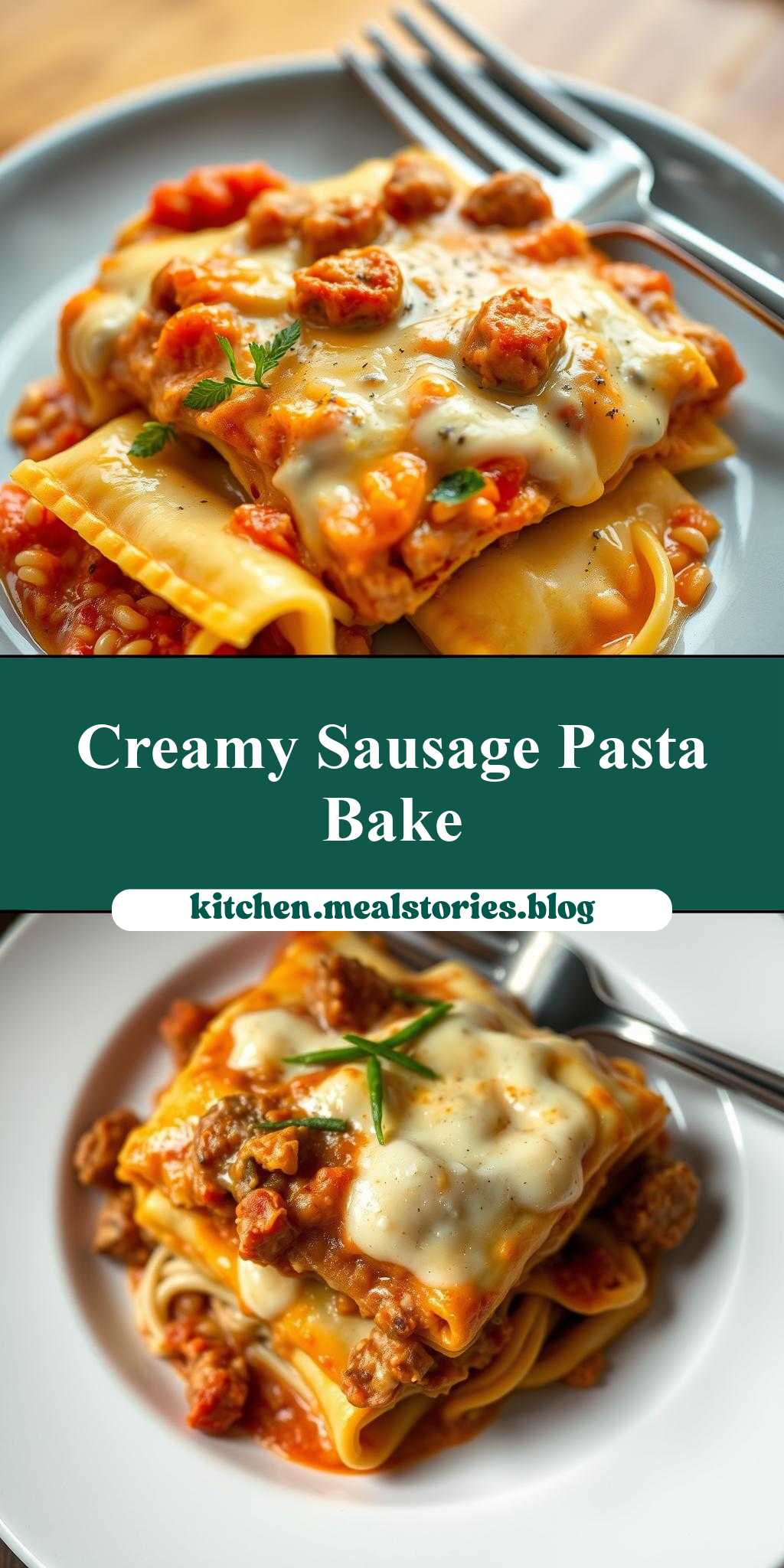
What happens when sausage and alfredo meet ravioli in a layered lasagna dish? This homemade weeknight dinner features tender ravioli, savory sausage, and a rich alfredo sauce all baked to perfection. Save this easy family favorite recipe for later
sausage alfredo ravioli lasagna recipe on a plate
Introduction
Imagine a dish that combines the comfort of lasagna, the elegance of ravioli, and the savory flavor of sausage, all wrapped up in a rich alfredo sauce. This sausage alfredo ravioli lasagna recipe is not only a mouthful to say, but it’s also a treat for the taste buds. What makes it even more appealing is how accessible it is, using everyday ingredients that most of us already have in our pantries. The beauty of this recipe lies in its simplicity and creativity, allowing you to impress your family and friends with minimal effort. Whether you’re a seasoned chef or a beginner in the kitchen, this recipe is sure to become a favorite, offering a balance of flavors and textures that will leave everyone wanting more.
Why This Works
- Flavor balance and ingredient accessibility: The combination of sausage, alfredo sauce, and ravioli creates a perfect harmony of flavors, while using readily available ingredients makes it easy to prepare.
- Ease of preparation: Despite its complex name, this dish is surprisingly easy to make, requiring just a few key ingredients and straightforward steps.
- Impressive results with minimal effort: The layered presentation of the lasagna, coupled with the creamy alfredo sauce and the savory sausage, makes for a dish that looks and tastes like it was prepared by a professional, all with minimal fuss.
Key Ingredients
The main ingredients for this sausage alfredo ravioli lasagna recipe include Italian sausage, store-bought or homemade ravioli, alfredo sauce, lasagna noodles, mozzarella cheese, parmesan cheese, and fresh parsley. For the alfredo sauce, you’ll need butter, cream, parmesan cheese, and garlic. Practical substitutions can be made with other types of sausage or by using different flavors of ravioli to suit your taste preferences. Additionally, homemade alfredo sauce can be replaced with store-bought for an even quicker preparation time.
Instructions
- Step 1: Begin by preheating your oven to 375°F (190°C). Cook the lasagna noodles according to the package instructions and set them aside. Also, prepare your ravioli by cooking them in boiling, salted water until they float, then drain and set aside.
- Step 2: In a large skillet, cook the Italian sausage over medium-high heat, breaking it up with a spoon as it cooks, until it’s no longer pink. Drain the excess fat, then add the garlic and cook for another minute until fragrant. Stir in the alfredo sauce and bring the mixture to a simmer. Let it cook for a few minutes until heated through.
- Step 3: To assemble the lasagna, spread a layer of the sausage and alfredo sauce mixture in the bottom of a 9×13-inch baking dish. Arrange 4 lasagna noodles on top, followed by half of the ravioli, and then half of the shredded mozzarella cheese. Repeat the layers, starting with the sauce, then the noodles, the remaining ravioli, and finally the remaining mozzarella cheese. Top with grated parmesan cheese.
- Step 4: Cover the baking dish with aluminum foil and bake for 30 minutes. Remove the foil and continue baking for an additional 10-15 minutes, or until the cheese is melted and bubbly. Remove from the oven and let it rest for a few minutes before slicing and serving. Garnish with fresh parsley for a pop of color and freshness.
Handy Tips
- To avoid the lasagna from becoming too soggy, make sure to not overcook the noodles or the ravioli. Also, draining the cooked sausage well before adding the alfredo sauce helps in achieving the right consistency.
Heat Control
The ideal temperature for baking the lasagna is 375°F (190°C), and it should be baked for approximately 40-45 minutes, or until the cheese is golden brown and the sauce is heated through. Signs of doneness include the cheese being melted and bubbly, and the lasagna being hot all the way through.
Crunch Factor
This dish is best enjoyed when the top layer of cheese is slightly browned and crispy, contrasting with the tender noodles and ravioli. To achieve this, broil the lasagna for a couple of minutes after removing the foil, watching carefully to avoid burning.
Pro Kitchen Tricks
- Using high-quality ingredients, such as fresh parsley and real parmesan cheese, can elevate the flavor of the dish significantly. Additionally, letting the lasagna rest for a few minutes before serving allows the flavors to meld together and the cheese to set, making it easier to slice and serve.
Storage Tips
- Leftovers can be stored in the refrigerator for up to 3 days. Reheat the lasagna in the oven, covered with foil, at 350°F (180°C) until heated through. For longer storage, the lasagna can be frozen before baking. Assemble the lasagna up to the point of baking, then cover it tightly with plastic wrap or aluminum foil and freeze. When ready to bake, thaw overnight in the refrigerator and bake as instructed.
Gift Packaging Ideas
If you’re considering gifting this dish, it’s best to package it in a way that keeps it warm and secure. Use a thermal bag or a covered dish that can retain heat. Garnish with fresh herbs and include a side of garlic bread or a green salad for a complete meal. A thoughtful touch could be including the recipe itself, allowing the recipient to recreate the dish.
Flavor Variations
- Different spices: Add some red pepper flakes for a spicy kick or use Italian seasoning for added depth of flavor.
- Creative toppings: Consider adding some sautéed spinach, cherry tomatoes, or sliced bell peppers on top of the lasagna before baking for extra flavor and nutrients.
- Ingredient swaps: Use different types of cheese, such as ricotta or gorgonzola, or substitute the sausage with ground beef or pork for a variation in flavor.
Troubleshooting
- Texture problems: If the lasagna turns out too dry, it might be due to overcooking. Conversely, if it’s too soggy, the noodles or ravioli might have been overcooked before assembly.
- Ingredient replacements: If you can’t find a specific ingredient, look for similar substitutes. For example, if alfredo sauce is not available, you can make your own using butter, cream, and parmesan cheese.
- Over/undercooking signs: Keep an eye on the lasagna while it’s baking. If the top starts to brown too quickly, cover it with foil to prevent burning. If it seems undercooked, give it a few more minutes and check again.
FAQs
- Can I freeze it? Yes, you can freeze the lasagna before baking. Assemble the dish, then cover and freeze. When ready, thaw and bake as instructed.
- Is it gluten-free? The traditional recipe is not gluten-free due to the lasagna noodles and possibly the sausage. However, you can substitute gluten-free noodles and check the sausage ingredients to accommodate dietary restrictions.
- Can I double the recipe? Yes, you can easily double the recipe for a larger crowd. Just keep in mind that you might need to adjust the baking time slightly for a larger dish.
Conclusion
This sausage alfredo ravioli lasagna recipe on a plate is a true showstopper, combining the best of Italian cuisine in a creative and accessible way. With its rich flavors, satisfying textures, and the potential for customization, it’s a dish that can be enjoyed by everyone. Whether you’re a fan of traditional lasagna, love the convenience of ravioli, or can’t resist the allure of a good sausage, this recipe brings it all together. So, don’t be afraid to experiment, share your creations, and most importantly, enjoy the process of cooking and the joy of sharing a delicious meal with others.