
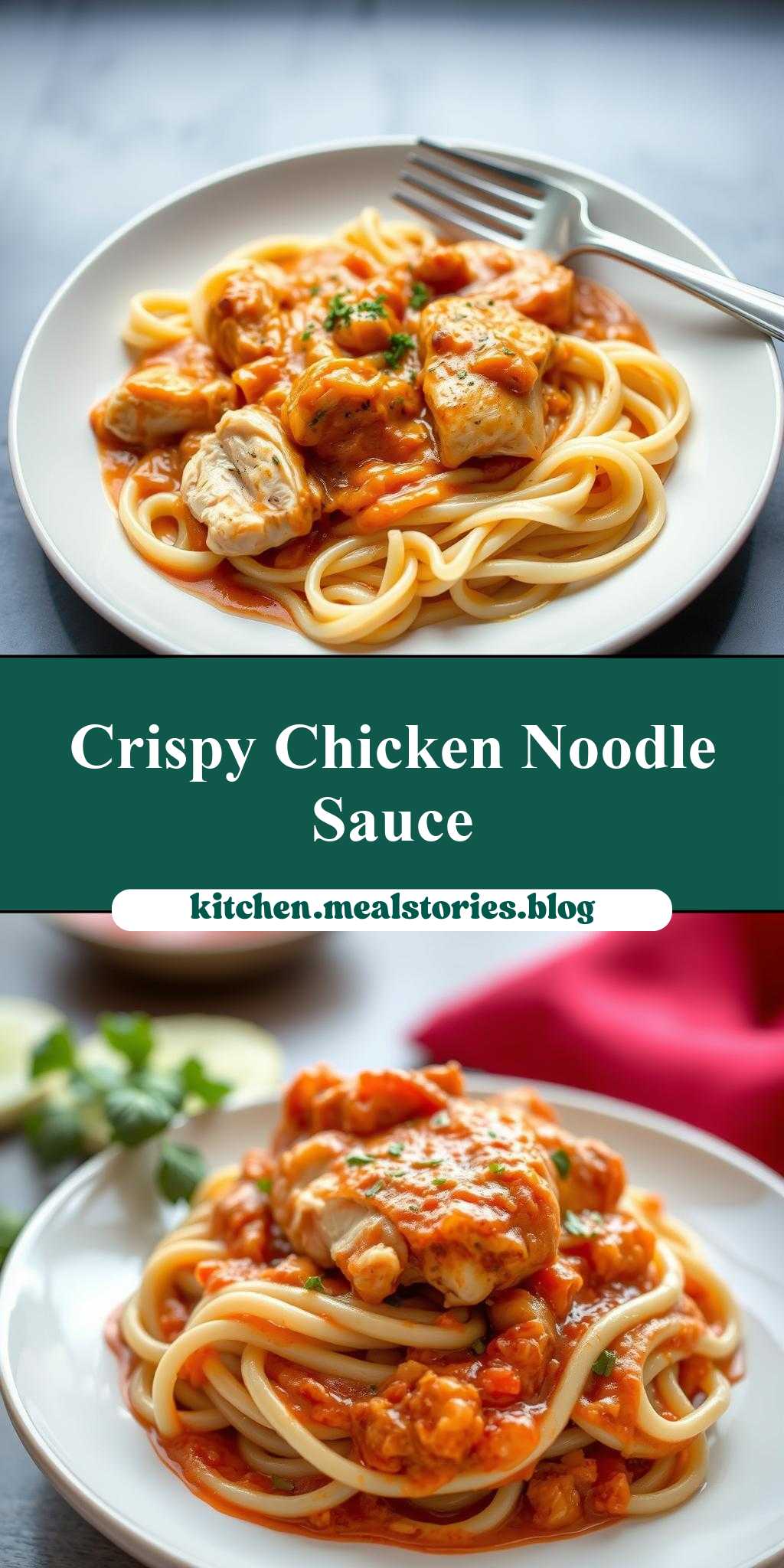
What makes a perfect comfort food dish? A rich chicken paprikash recipe with tender noodles and a creamy sauce, made easy with homemade ingredients like juicy chicken and smoked paprika, perfect for a quick weeknight dinner, save this idea for a family favorite meal to try soon
chicken paprikash recipe with noodles and sauce
Introduction
This chicken paprikash recipe with noodles and sauce is a hearty, comforting dish that combines the rich flavors of Hungary with the ease of a weeknight dinner. Using everyday ingredients, you can create a meal that’s not only delicious but also visually appealing, perfect for serving to family and friends. The beauty of this recipe lies in its simplicity and the ability to customize it according to your taste preferences, making it an excellent choice for both beginners and experienced cooks alike. With its vibrant colors and aromatic spices, this dish is sure to become a staple in your culinary repertoire.
Why This Works
- Flavor balance and ingredient accessibility: The combination of chicken, noodles, and a variety of spices creates a balanced flavor profile that’s both satisfying and easy to achieve with commonly found ingredients.
- Ease of preparation: The steps involved in preparing this dish are straightforward and require minimal specialized cooking techniques, making it accessible to cooks of all skill levels.
- Impressive results with minimal effort: Despite its simplicity, the presentation and flavors of this dish are impressive, making it perfect for special occasions or everyday meals when you want something a bit more interesting.
Key Ingredients
The main ingredients in this recipe include boneless, skinless chicken breasts, paprika (both sweet and smoked for depth of flavor), onions, garlic, bell peppers, tomatoes (or tomato paste for a more intense flavor), chicken broth, sour cream, and noodles (preferably a wide, flat noodle like egg noodles or pappardelle to soak up the sauce). For practical substitutions, you can use different colored bell peppers for varying sweetness levels, and if sour cream is not available, Greek yogurt can be used as a substitute. Additionally, for a spicier version, you can add some diced jalapeños or red pepper flakes.
Instructions
- Step 1: Begin by preparing your ingredients. Chop the onions and bell peppers into bite-sized pieces, mince the garlic, and slice the chicken into strips or small pieces for quicker cooking.
- Step 2: In a large skillet, heat a couple of tablespoons of olive oil over medium heat. Add the chicken and cook until it’s browned on all sides and cooked through, then remove it from the skillet and set it aside. Next, add more oil if necessary, then sauté the onions and bell peppers until they’re tender. Add the minced garlic and cook for another minute, stirring constantly to prevent burning.
- Step 3: Add the paprika (both sweet and smoked) to the skillet and stir for about a minute to allow the spices to bloom and become fragrant. Then, add the diced tomatoes (or tomato paste) and chicken broth to the skillet, stirring to combine. Bring the mixture to a simmer and let it cook for a few minutes until the sauce has thickened slightly. Return the chicken to the skillet and stir to coat with the sauce.
- Step 4: While the sauce is simmering, cook your noodles according to the package instructions until they’re al dente. Drain the noodles and add them to the skillet with the chicken and sauce. Stir to combine, ensuring the noodles are well coated. Finally, stir in some sour cream to add a creamy element to the dish. Season with salt, pepper, and any additional paprika to taste. Serve hot, garnished with fresh parsley or dill for a pop of color and freshness.
Handy Tips
- When cooking the chicken, make sure not to overcrowd the skillet, as this can lower the temperature of the oil and result in steamed rather than browned chicken. Cook in batches if necessary.
- For a thicker sauce, you can mix a little cornstarch or flour with water to create a slurry and then add it to the sauce, letting it simmer for a few more minutes to allow the starches to thicken the sauce.
- Don’t overcook the noodles, as they will continue to cook a bit after being drained and added to the hot sauce.
Heat Control
Maintaining the right heat is crucial for achieving the perfect texture and flavor. When browning the chicken, medium-high heat is ideal to get a nice crust on the outside. For simmering the sauce, reduce the heat to medium or medium-low to prevent burning and to allow the flavors to meld together slowly. The ideal temperature for simmering is between 180°F and 190°F (82°C to 88°C), and you should look for gentle bubbles rising to the surface of the sauce.
Crunch Factor
The crunch factor in this dish can come from a couple of elements: the slightly browned chicken on the outside and the texture of the noodles. To achieve a satisfying crunch, ensure that you don’t overcook the chicken or the noodles. Additionally, you can add some crunchy elements on top, such as chopped fresh vegetables (like bell peppers or carrots), toasted bread crumbs, or even some crispy bacon bits for added texture and flavor.
Pro Kitchen Tricks
- Use high-quality ingredients: While it might be tempting to use cheaper alternatives, especially for spices and broths, investing in high-quality ingredients can significantly elevate the flavor of your dish.
- Don’t skip the step of blooming the spices: Heating the paprika in oil for a minute before adding other ingredients brings out its depth and warmth, which is essential for the character of the dish.
- Acidity balances flavor: A squeeze of fresh lemon juice at the end of cooking can help balance the richness of the sour cream and the depth of the spices, adding a bright, refreshing note to the dish.
Storage Tips
- Leftovers can be stored in an airtight container in the refrigerator for up to 3 days. Reheat gently over low heat, adding a bit of water or broth if the sauce has thickened too much.
- For longer storage, the dish can be frozen. It’s best to freeze the chicken and sauce separately from the noodles to prevent the noodles from becoming mushy. When reheating, thaw overnight in the fridge and then reheat as you would leftovers.
- When reheating, make sure the dish is heated through to an internal temperature of at least 165°F (74°C) to ensure food safety.
Gift Packaging Ideas
If you’re considering gifting this dish, it’s best to package the components separately to maintain freshness and texture. Cooked noodles and the chicken in sauce can be packaged in airtight, microwave-safe containers. Add a bag of fresh parsley or dill on top for garnish, and include a card with reheating instructions. For a more rustic presentation, consider using ceramic or glass containers that can be heated and served directly from.
Flavor Variations
- Different spices: Experiment with various types of paprika, such as smoked or sweet, and consider adding other Hungarian spices like caraway seeds for added depth.
- Creative toppings: In addition to sour cream, consider topping your paprikash with diced onions, chopped fresh herbs, grated cheese, or even a dollop of horseradish sauce for an extra kick.
- Ingredient swaps: For a vegetarian version, swap the chicken with portobello mushrooms or eggplant, and adjust the cooking time accordingly. You can also use different types of protein like beef or pork for varying flavors.
Troubleshooting
- Texture problems: If the sauce becomes too thick, add a bit of broth or water. If it’s too thin, simmer for a few more minutes or add a slurry of cornstarch and water.
- Ingredient replacements: If you can’t find a specific ingredient, look for substitutes that offer similar flavor profiles. For example, if you can’t find smoked paprika, you can use liquid smoke as a substitute in a pinch.
- Over/undercooking signs: Chicken should be cooked through and reach an internal temperature of 165°F (74°C). Noodles should be al dente, still retaining some firmness in the center.
FAQs
- Can I freeze it? Yes, you can freeze the chicken and sauce separately from the noodles for up to 3 months. When reheating, thaw overnight and reheat gently.
- Is it gluten-free? This recipe can be adapted to be gluten-free by using gluten-free noodles and omitting any gluten-containing ingredients like some broths or sauces. Always check the labels of your ingredients.
- Can I double the recipe? Yes, you can easily double or triple this recipe for larger groups. Just ensure you have a large enough skillet and adjust the cooking time slightly for the increased volume.
Conclusion
This chicken paprikash recipe with noodles and sauce is a versatile and flavorful dish that’s perfect for any occasion. With its rich, slightly smoky sauce, tender chicken, and comforting noodles, it’s sure to become a favorite. Feel free to experiment with different spices and ingredients to create your own unique variations, and don’t hesitate to share your creations with friends and family. Whether you’re a seasoned cook or just starting out, this recipe offers a delicious and rewarding culinary experience that’s sure to satisfy your cravings and leave you wanting more.