
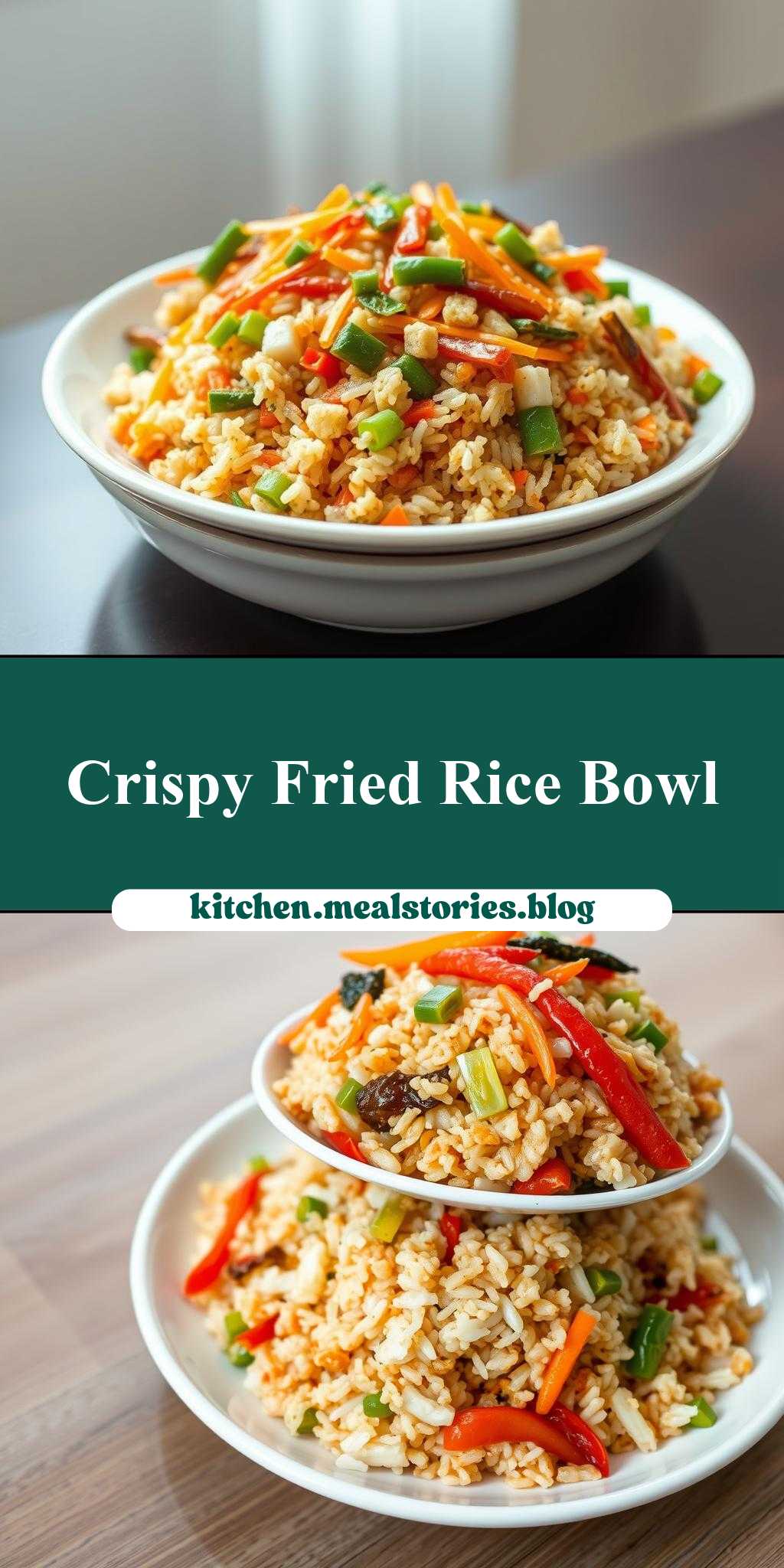
What makes homemade fried rice so much better than takeout? This quick and easy weeknight dinner recipe uses freshly cooked rice and savory vegetables, making it a family favorite. Save this idea for a delicious homemade meal.
two plates filled with rice and vegetables on top of each other, the words better than takeout fried rice
Introduction
Imagine a dish so divine, it surpasses the flavors of your favorite takeout, all while being incredibly easy to make and customizable to your taste preferences. Welcome to the world of homemade fried rice, where everyday ingredients come together in a harmonious balance of flavors and textures. This recipe is not just about cooking a meal; it’s about creativity, ease, and the joy of savoring something truly delicious, made with love in the comfort of your own kitchen. With the simplicity of using leftover rice and the versatility of adding your favorite vegetables and proteins, this dish is a culinary masterpiece waiting to happen.
Why This Works
- Flavor balance and ingredient accessibility: The beauty of this recipe lies in its ability to balance a multitude of flavors, from the savory depth of soy sauce to the freshness of scallions, all while using ingredients that are easily found in most kitchens.
- Ease of preparation: Despite its impressive outcome, this dish requires minimal effort. It’s a perfect example of how simple cooking can be, without sacrificing flavor or presentation.
- Impressive results with minimal effort: The combination of quick cooking times and the use of pre-cooked rice make this a recipe that can be prepared in no time, perfect for busy evenings or spontaneous meals.
Key Ingredients
The foundation of better-than-takeout fried rice includes cooked rice (preferably day-old rice for the best texture), a variety of colorful vegetables such as peas, carrots, and corn, your choice of protein like chicken, shrimp, or tofu, and of course, the savory glue that holds it all together – soy sauce. For added depth, sesame oil and oyster sauce (optional) can elevate the dish. Practical substitutions can include using different proteins or swapping out vegetables based on what’s in season or your personal preferences. The key is to maintain a balance of textures and flavors, ensuring each bite is a delightful experience.
Instructions
- Step 1: Begin by preparing your ingredients. Chop the vegetables into small, uniform pieces, and if using, slice your protein into thin strips. Measure out your seasonings and have them ready to go. This prep work is crucial as it ensures a smooth and efficient cooking process.
- Step 2: Heat a couple of tablespoons of oil in a large skillet or wok over medium-high heat. Once the oil is hot, add your protein and cook until it’s browned and cooked through. Remove it from the skillet and set it aside. Next, add a bit more oil if necessary, then add your chopped vegetables. Cook until they’re tender but still crisp, which should take about 3-4 minutes, depending on the vegetables you’ve chosen.
- Step 3: Push the vegetables to one side of the pan. Add a small amount of oil to the other side, then pour in beaten eggs. Scramble the eggs until they’re cooked through, breaking them up into small pieces as they cook. Mix the eggs with the vegetables. Add cooked rice to the skillet, breaking up any clumps with a spatula. Stir-fry the rice with the vegetables and eggs, ensuring everything is well combined.
- Step 4: Return the cooked protein to the skillet, add soy sauce, sesame oil, and any other desired seasonings. Stir-fry everything together for about 2-3 minutes, until the rice is heated through and starting to brown slightly, with all the ingredients well incorporated. Taste and adjust the seasoning as needed. Transfer the fried rice to a serving platter or individual plates and garnish with green onions and sesame seeds for a fresh and appealing finish.
Handy Tips
- Use day-old rice to prevent the rice from becoming mushy and to achieve the perfect texture. If you only have fresh rice, spread it out on a baking sheet to cool it down quickly, which can help reduce moisture.
- Customize your fried rice with your favorite ingredients. Whether it’s adding diced bell peppers for extra crunch or using different seasonings for unique flavors, the possibilities are endless.
- Avoid overmixing the rice, as this can make it clumpy and unappetizing. The goal is to have distinct grains that are well coated with flavor but still retain their texture.
Heat Control
Heat control is crucial in making the perfect fried rice. Start with a medium-high heat to quickly cook the protein and vegetables, then adjust the heat as needed to prevent burning, especially when adding the rice and seasonings. The ideal temperature is one that allows for a quick stir-fry without burning the ingredients. Look for signs of doneness such as the rice being lightly toasted and the ingredients being well combined and heated through.
Crunch Factor
Achieving the right crunch factor in fried rice is about balance. You want some ingredients to retain their crunch, like freshly added vegetables, while others, like the rice, should be tender but not mushy. The key is in not overcooking the dish and adding ingredients at the right time to preserve their texture. For an extra crunch, consider adding nuts or seeds towards the end of cooking.
Pro Kitchen Tricks
- Use a wok if you have one. The shape of a wok allows for efficient stir-frying and helps in achieving the perfect texture for fried rice.
- Don’t overfill the skillet or wok. Cook in batches if necessary, to ensure each grain of rice and every piece of vegetable gets the attention it needs.
- Keep your ingredients ready. Having all your ingredients prepped and within reach can make the cooking process smoother and less stressful.
Storage Tips
- Leftover fried rice can be stored in the refrigerator for up to 3 days. It’s best to cool it down quickly after cooking to prevent bacterial growth, then store it in airtight containers.
- For reheating, add a little water or oil to the rice to prevent it from drying out. You can reheat it in a skillet or in the microwave, stirring occasionally until it’s heated through.
- Consider freezing fried rice for up to 3 months. It’s a great way to meal prep or save leftovers for a future meal. When reheating frozen fried rice, it’s best to thaw it overnight in the fridge, then reheat it as you would fresh leftovers.
Gift Packaging Ideas
While fried rice might not be the first thing that comes to mind when thinking of gift foods, it can actually be a thoughtful and practical gift, especially for someone who loves Chinese cuisine or is looking for a quick, easy meal. Consider packaging it in microwave-safe containers with a packet of soy sauce and a sprinkle of sesame seeds on top. Add a personal touch with a handwritten recipe card or a pair of chopsticks. For a more substantial gift, pair the fried rice with other Chinese staples like egg rolls or dumplings.
Flavor Variations
- Different spices: Experiment with various spices and seasonings to give your fried rice a unique flavor. Curry powder can add an Indian twist, while cumin and chili powder can give it a Mexican flair.
- Creative toppings: Add some excitement to your fried rice with creative toppings. This could be anything from a fried egg and pickled ginger to diced tomatoes and avocado.
- Ingredient swaps: Don’t be afraid to swap out ingredients based on your dietary preferences or what’s available. For example, using tofu instead of chicken for a vegan version, or substituting brown rice for white rice for a healthier option.
Troubleshooting
- Texture problems: If your fried rice turns out too mushy, it might be due to using fresh rice that’s too moist. Try spreading the rice out to dry for a bit before cooking. If it’s too dry, adding a bit of water or oil during reheating can help.
- Ingredient replacements: Always consider the flavor and texture an ingredient brings to the dish when looking for substitutes. For example, if you’re replacing chicken with tofu, you might want to marinate the tofu first to enhance its flavor.
- Over/undercooking signs: Pay attention to the color and texture of your ingredients. Undercooked rice will be hard and crunchy, while overcooked rice can be mushy and unappetizing. Adjust your cooking time accordingly to achieve the perfect doneness.
FAQs
- Can I freeze it? Yes, fried rice can be frozen for up to 3 months. It’s a great way to meal prep or save leftovers.
- Is it gluten-free? Traditional fried rice can be gluten-free, depending on the soy sauce used. Look for gluten-free soy sauce to make this dish accessible to those with gluten intolerance.
- Can I double the recipe? Absolutely. Fried rice is one of those dishes that scales well. Just ensure you have a large enough skillet or wok to accommodate all the ingredients.
Conclusion
Making better-than-takeout fried rice at home is not just about following a recipe; it’s about embracing the freedom to create something truly personal and delicious. With its ease of preparation, versatility in ingredients, and the impressive results it yields, this dish is perfect for anyone looking to elevate their meal game. Whether you’re a seasoned cook or just starting out, the world of fried rice is waiting for you to explore and make your own. So, don’t be afraid to experiment, to try new things, and most importantly, to enjoy the process of cooking and sharing meals with others.