
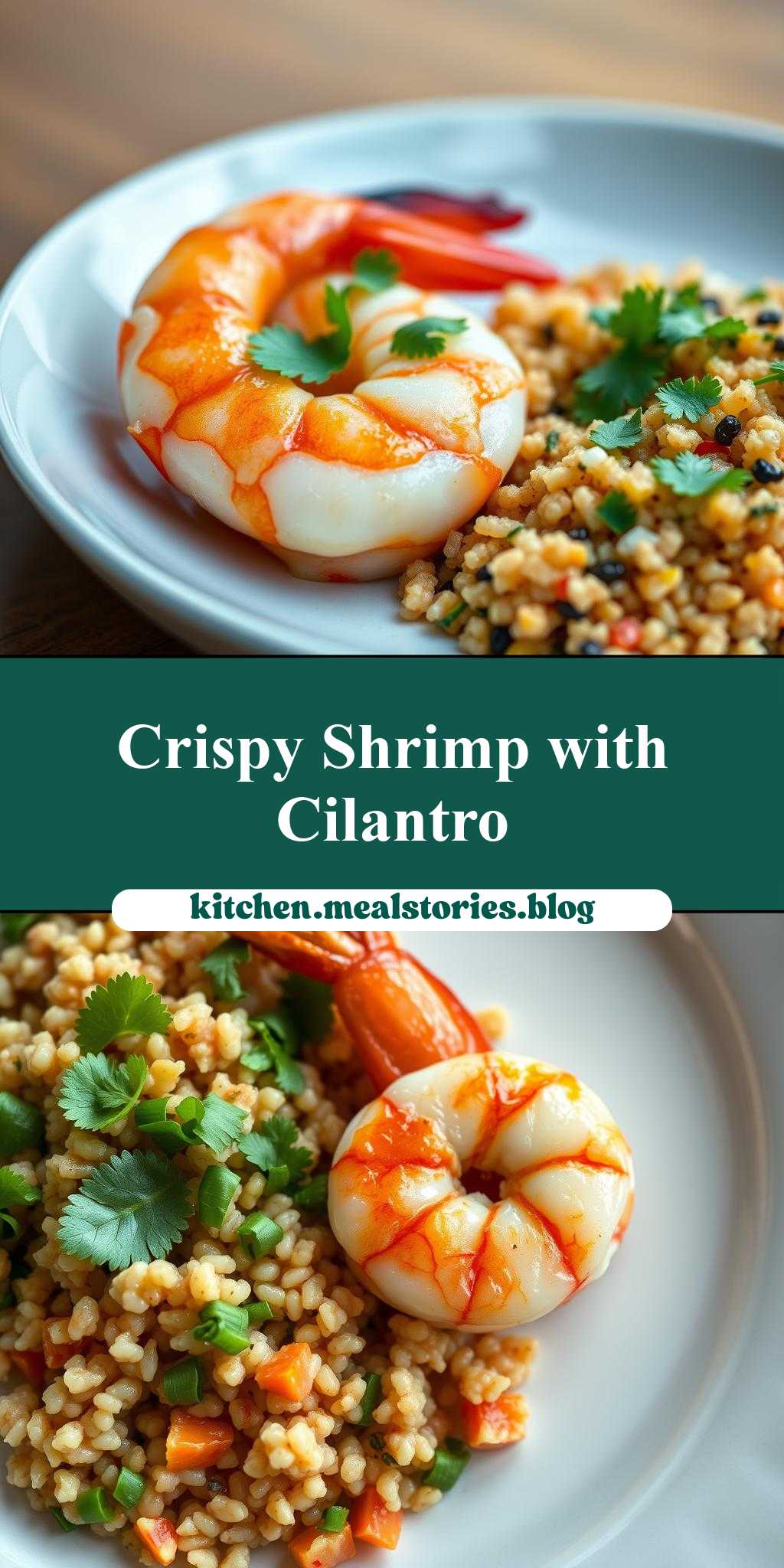
What makes a perfect weeknight dinner? For me, it’s a balanced mix of protein, whole grains and fresh herbs, like this shrimp with quinoa and cilantro on the side, made easy with quick sautéing and homemade flair. Save this idea for a delicious and easy family favorite meal.
Shrimp with Quinoa and Cilantro on the Side
Introduction
This delectable and healthy dish combines succulent shrimp, nutritious quinoa, and a burst of freshness from cilantro, all in one harmonious bowl. What makes this recipe stand out is its ease of preparation, the perfect balance of flavors, and the creative use of everyday ingredients. Whether you’re a seafood lover, a health enthusiast, or simply someone who appreciates a good meal, this shrimp with quinoa and cilantro on the side is sure to delight. The dish is not only flavorful but also visually appealing, making it a great option for both weeknight dinners and special occasions. With its simplicity and versatility, you can easily adapt it to suit your taste preferences and dietary needs.
Why This Works
- Flavor balance and ingredient accessibility: The combination of shrimp, quinoa, and cilantro offers a well-rounded flavor profile that is both savory and fresh, using ingredients that are readily available in most supermarkets.
- Ease of preparation: This recipe requires minimal cooking skills and can be prepared in under 30 minutes, making it perfect for busy individuals or those new to cooking.
- Impressive results with minimal effort: Despite its simplicity, the dish presents beautifully and tastes sophisticated, making it an impressive option for entertaining guests or a special meal.
Key Ingredients
The main ingredients in this recipe include shrimp, quinoa, cilantro, olive oil, garlic, lemon juice, salt, and pepper. For the shrimp, you can use either fresh or frozen, depending on what’s available. Quinoa is a great source of protein and fiber, making it a nutritious base for the dish. Cilantro adds a fresh and herbal note, while garlic and lemon juice enhance the flavor of the shrimp. Olive oil is used for cooking, and salt and pepper are for seasoning. Practical substitutions could include using chicken or tofu for a non-seafood version, or swapping cilantro with parsley for a slightly different flavor.
Instructions
- Step 1: Begin by preparing your ingredients. Rinse the quinoa in a fine mesh strainer and drain well. Peel and mince the garlic, and chop the cilantro. If using frozen shrimp, thaw them according to the package instructions and pat dry with paper towels.
- Step 2: Cook the quinoa according to the package instructions, usually a 2:1 ratio of water to quinoa, brought to a boil and then simmered until the water is absorbed. While the quinoa is cooking, heat olive oil in a large skillet over medium-high heat. Add the garlic and sauté for about 1 minute until fragrant.
- Step 3: Add the shrimp to the skillet and cook for about 2-3 minutes per side, until they turn pink and are fully cooked. Remove the shrimp from the skillet and set aside. In the same skillet, squeeze the lemon juice and stir to combine with the garlic and oil, scraping any browned bits from the bottom of the pan.
- Step 4: To serve, divide the cooked quinoa onto plates, top with the cooked shrimp, and sprinkle with chopped cilantro. Drizzle any remaining lemon garlic sauce over the top and season with salt and pepper to taste.
Handy Tips
- For an extra burst of flavor, marinate the shrimp in a mixture of olive oil, lemon juice, and minced garlic for at least 30 minutes before cooking.
- Use fresh cilantro for the best flavor, but if you’re not a fan of cilantro, parsley or dill can be used as substitutes.
- Avoid overcooking the shrimp, as they can become tough and rubbery. Cook until they just turn pink and are still slightly tender in the center.
Heat Control
Heat control is crucial when cooking the shrimp to prevent them from becoming overcooked. Ideally, cook the shrimp over medium-high heat to get a nice sear on the outside, then reduce the heat to medium to finish cooking them through. The shrimp are done when they turn pink and are no longer translucent. Use a thermometer to check for an internal temperature of 145°F (63°C) for fully cooked shrimp.
Crunch Factor
The crunch factor in this dish comes from the fresh cilantro and the slight crunch of the cooked quinoa. To enhance the texture, you can also add some toasted nuts or seeds, such as almonds or pumpkin seeds, on top of the quinoa before serving. This adds a satisfying crunch to each bite, contrasting nicely with the softness of the shrimp and quinoa.
Pro Kitchen Tricks
- For easier cleanup, line your skillet with a small amount of parchment paper before cooking the shrimp. This prevents the garlic and lemon juice from sticking and makes washing up a breeze.
- To keep the quinoa fluffy and separate, try adding a tablespoon of olive oil to the water when cooking, and stir the quinoa occasionally as it cooks.
- Use a microplane to zest the lemon before squeezing the juice, and add the zest on top of the dish for an extra burst of citrus flavor and a pop of color.
Storage Tips
- Leftover quinoa and cooked shrimp can be stored in separate airtight containers in the refrigerator for up to 3 days. Reheat the shrimp gently in the microwave or on the stovetop, and fluff the quinoa with a fork before serving.
- For longer storage, cooked and cooled quinoa and shrimp can be frozen together in a single container for up to 2 months. Thaw overnight in the fridge and reheat as needed.
- When storing, it’s best to keep the cilantro separate to preserve its freshness. Simply chop it just before serving to add to your dish.
Gift Packaging Ideas
If you’re considering gifting this dish, perhaps for a potluck or as a meal for a friend, it can be nicely packaged in a large, shallow container. Start with a layer of quinoa at the bottom, followed by the cooked shrimp, and finish with a sprinkle of cilantro on top. Drizzle with lemon juice and garnish with lemon wedges on the side. For a more personal touch, wrap the container in a decorative cloth or paper, and tie with a ribbon. Include a small card with reheating instructions and a personal message.
Flavor Variations
- Different spices: Try adding a pinch of cumin or smoked paprika to the shrimp for a smoky flavor, or some dried herbs like thyme or oregano for a more Mediterranean taste.
- Creative toppings: In addition to cilantro, consider other toppings like diced mango or pineapple for a sweet and savory mix, or some crumbled feta cheese for a salty kick.
- Ingredient swaps: For a vegetarian version, swap the shrimp with roasted or grilled portobello mushrooms, or use tofu marinated in a similar mixture for a vegan option.
Troubleshooting
- Texture problems: If the quinoa turns out mushy, it may have been overcooked. Try reducing the water ratio or cooking time in future attempts. For tough shrimp, they may have been overcooked; aim for cooking until they just turn pink.
- Ingredient replacements: If you can’t find cilantro, parsley or dill make good substitutes. For shrimp, scallops or chicken can be used as alternatives.
- Over/undercooking signs: Shrimp are overcooked when they become opaque and firm to the touch. Quinoa is undercooked if it still has a hard center; continue cooking and checking until it’s tender.
FAQs
- Can I freeze it? Yes, cooked quinoa and shrimp can be frozen for up to 2 months. Thaw overnight in the fridge and reheat gently.
- Is it gluten-free? Yes, this recipe is naturally gluten-free, making it a great option for those with gluten intolerance or sensitivity.
- Can I double the recipe? Absolutely, this recipe can be easily doubled or tripled for larger groups. Just ensure you have enough skillet space to cook the shrimp in batches if necessary, to prevent overcrowding.
Conclusion
This shrimp with quinoa and cilantro on the side is a versatile and delicious meal that can be adapted to suit various tastes and dietary needs. With its ease of preparation, balanced flavors, and nutritious ingredients, it’s a great addition to any meal repertoire. Feel free to experiment with different spices, toppings, and ingredient swaps to make the dish your own. Whether you’re cooking for yourself or for a crowd, this recipe is sure to please. So go ahead, get creative, and enjoy the process of cooking and sharing this wonderful dish with others.