
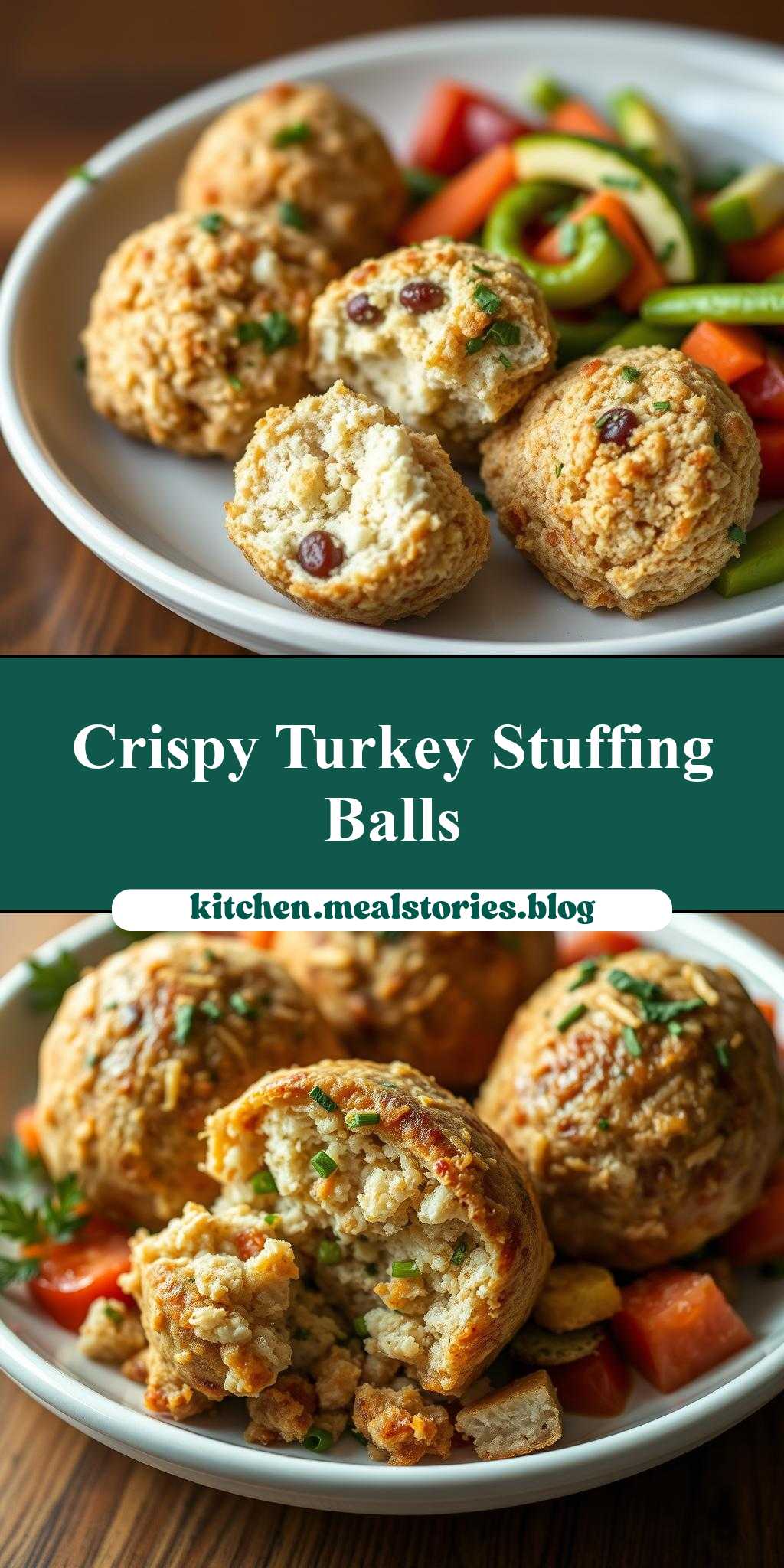
What makes the perfect side dish for your weeknight dinner? These turkey stuffing balls are a game changer, made with savory sausage and freshly baked bread, perfect for a quick and easy homemade meal, save this idea for a family favorite weeknight dinner solution, try it soon
Turkey Stuffing Balls
Introduction
Imagine a dish that combines the savory flavors of traditional Thanksgiving stuffing with the convenience and visual appeal of bite-sized balls. Turkey Stuffing Balls are a creative, easy-to-make twist on classic holiday fare, perfect for using up everyday ingredients in a new and exciting way. This recipe is all about balance and simplicity, requiring minimal effort for impressive results that are sure to delight both family and friends. Whether you’re a seasoned chef or a beginner in the kitchen, these stuffing balls offer a versatile and delicious solution for any occasion, from casual gatherings to formal dinners.
Why This Works
- Flavor balance and ingredient accessibility: The combination of herbs, spices, and meats creates a well-rounded taste experience, and the ingredients are easily found in most grocery stores.
- Ease of preparation: With straightforward steps and minimal cooking time, this recipe is perfect for those short on time or new to cooking.
- Impressive results with minimal effort: Despite the simplicity, the presentation and flavors of these stuffing balls are sure to impress, making them ideal for special occasions or potlucks.
Key Ingredients
The main ingredients for Turkey Stuffing Balls include ground turkey, stale bread, onion, celery, sage, thyme, salt, pepper, and chicken broth. For practical substitutions, you can use ground chicken or beef if turkey is not preferred, and fresh herbs can be substituted with dried ones if needed. Additionally, using different types of bread, such as whole wheat or sourdough, can add unique flavors to your stuffing balls.
Instructions
- Step 1: Begin by preparing your ingredients. Chop the onion and celery into small pieces, and tear the stale bread into crumbs. Measure out your herbs and spices.
- Step 2: In a large skillet, cook the chopped onion and celery in a little bit of olive oil until they are softened. Then, in a large mixing bowl, combine the cooked onion and celery, ground turkey, bread crumbs, sage, thyme, salt, and pepper. Mix well until all the ingredients are fully incorporated.
- Step 3: Add the chicken broth to the mixture, starting with a small amount and adding more as needed, until the mixture holds together but is not too wet. Use your hands or a wooden spoon to mix everything together until just combined, being careful not to overmix.
- Step 4: Use your hands to shape the mixture into balls, about 1 1/2 inches in diameter. You should end up with around 20-25 stuffing balls. Place the balls on a baking sheet lined with parchment paper, leaving a little space between each ball to allow for even cooking. Bake in a preheated oven at 375°F for about 18-20 minutes, or until cooked through and lightly browned on the outside.
Handy Tips
- Make sure not to overmix the mixture, as this can make the stuffing balls dense and heavy. Stop mixing as soon as all the ingredients are just combined.
- If you find the mixture too dry, you can add a little more chicken broth. If it’s too wet, add some more bread crumbs.
- For an extra crispy exterior, you can lightly brush the tops of the stuffing balls with olive oil before baking.
Heat Control
When baking the Turkey Stuffing Balls, it’s crucial to maintain the right temperature and cooking time. The ideal temperature is 375°F, and the balls should be cooked for 18-20 minutes. To check for doneness, look for a lightly browned exterior and ensure the internal temperature reaches 165°F. Avoid overcooking, as this can dry out the stuffing balls.
Crunch Factor
Achieving the right texture is key to the appeal of these stuffing balls. The outside should be lightly browned and crispy, while the inside remains moist and tender. To enhance the crunch factor, ensure you don’t overbake them, and consider adding some chopped nuts or seeds to the mixture for extra texture.
Pro Kitchen Tricks
- To make the process more efficient, prepare the ingredients ahead of time. Chop the onion and celery, and tear the bread into crumbs a day in advance.
- For easier cleanup, line your baking sheet with parchment paper before placing the stuffing balls on it.
- Consider making these stuffing balls in advance and freezing them before baking. Simply bake frozen balls for an additional 5-7 minutes, or until cooked through.
Storage Tips
- Leftover stuffing balls can be stored in an airtight container in the refrigerator for up to 3 days. Reheat them in the oven at 350°F for about 10-12 minutes, or until warmed through.
- For longer storage, freeze the baked stuffing balls in a single layer on a baking sheet, then transfer them to a freezer-safe bag or container for up to 2 months. Bake frozen balls as described above.
- When storing, it’s best to use containers that are airtight to maintain freshness and prevent drying out.
Gift Packaging Ideas
These Turkey Stuffing Balls make a thoughtful and delicious gift, especially during the holiday season. Consider packaging them in decorative tins or jars, wrapped in festive paper or bags, and tied with a ribbon. You can also include a card with reheating instructions and a personal message, making the gift even more special and appreciated.
Flavor Variations
- Different spices: Experiment with various herbs and spices, such as paprika, garlic powder, or dried parsley, to give your stuffing balls unique flavors.
- Creative toppings: Before baking, top the stuffing balls with grated cheese, chopped bacon, or a drizzle of olive oil for added flavor and texture.
- Ingredient swaps: Try using different types of meat, such as ground beef or pork, or add some diced bell peppers or mushrooms to the mixture for added flavor and nutrients.
Troubleshooting
- Texture problems: If your stuffing balls turn out too dense, it may be due to overmixing. If they’re too dry, you might not have added enough chicken broth.
- Ingredient replacements: If you’re missing an ingredient, look for substitutes that offer similar flavors or textures. For example, you can use beef broth instead of chicken broth.
- Over/undercooking signs: Keep an eye on the stuffing balls while they’re baking. If they’re overcooked, they’ll be dry and possibly burnt. Undercooked balls will be soft and possibly pink in the center.
FAQs
- Can I freeze it? Yes, you can freeze the stuffing balls before or after baking. If freezing before baking, bake frozen balls for an additional 5-7 minutes. If freezing after baking, reheat them in the oven at 350°F for about 10-12 minutes.
- Is it gluten-free? Depending on the type of bread used, these stuffing balls may not be gluten-free. Look for gluten-free bread options to make this recipe accessible to those with gluten intolerance.
- Can I double the recipe? Yes, you can easily double or triple this recipe to serve a larger crowd. Just ensure you have enough space on your baking sheet for the increased number of stuffing balls.
Conclusion
With their perfect blend of flavors, ease of preparation, and impressive presentation, Turkey Stuffing Balls are sure to become a favorite in your household. Whether you’re looking for a new twist on traditional Thanksgiving dishes or just a fun and easy meal idea, this recipe delivers. Feel free to experiment with different ingredients and spices to make it your own, and don’t hesitate to share your creations with friends and family. Happy cooking, and enjoy the delightful experience of savoring these delectable Turkey Stuffing Balls!