
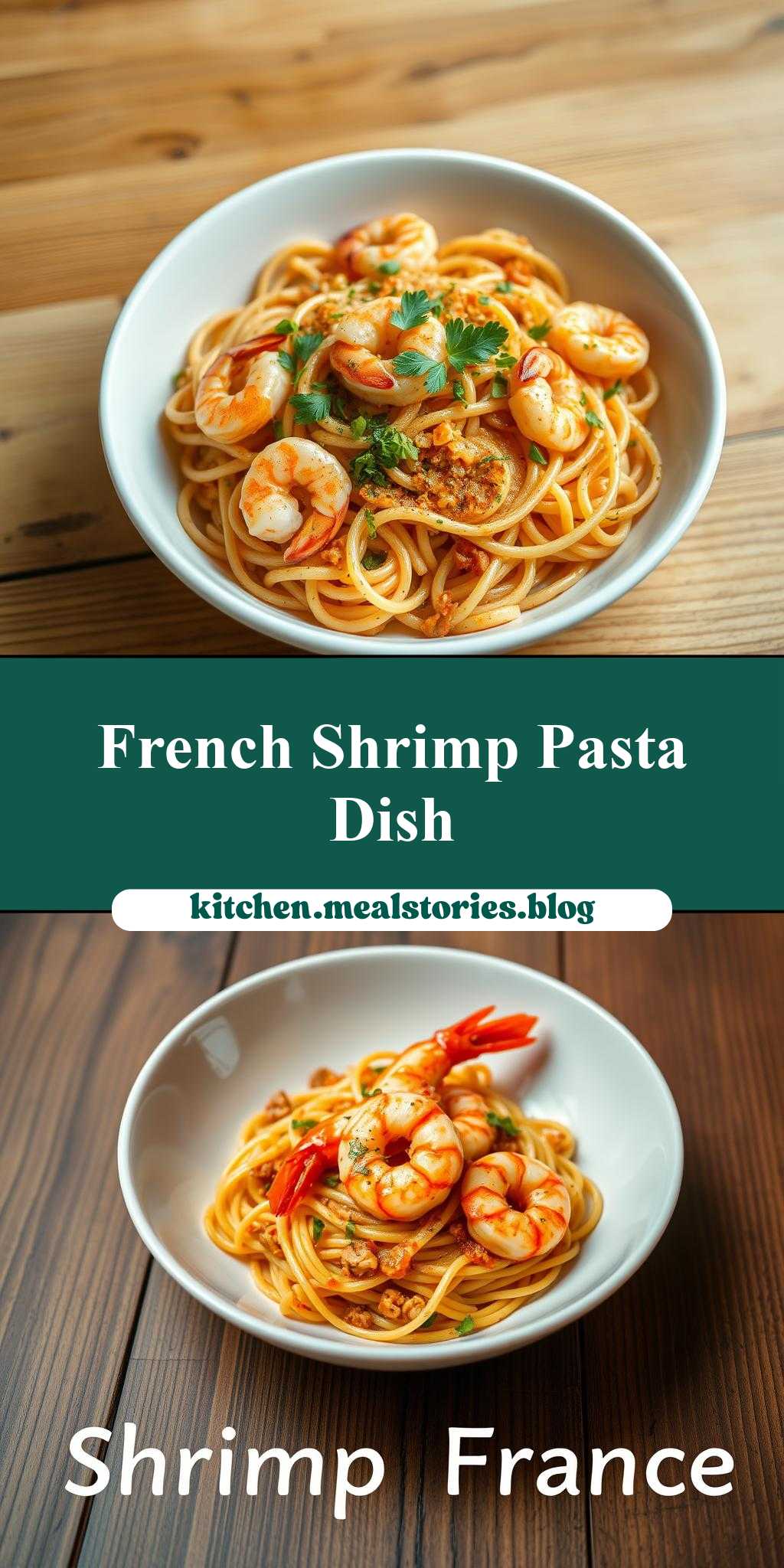
What makes a French-inspired shrimp dish truly unforgettable? This quick and easy homemade recipe combines succulent shrimp with garlic-infused pasta for a weeknight dinner favorite. Try sautéing shrimp in butter for added richness. Save this idea for a delicious family favorite meal to enjoy later.
shrimp and pasta in a white bowl on a wooden table with the words shrimp france recipe
Introduction
Imagine a dish that combines the succulence of shrimp, the comfort of pasta, and the elegance of French cuisine, all presented in a beautifully simple white bowl on a rustic wooden table. This shrimp and pasta recipe, inspired by the culinary mastery of France, is not just a meal, it’s an experience. With its rich flavors, ease of preparation, and the versatility to be both a weekday dinner and a special occasion centerpiece, this recipe is a must-try for anyone who loves cooking or simply loves good food. The best part? It’s made with everyday ingredients, allowing your creativity to shine without breaking the bank or requiring a trip to specialty stores.
Why This Works
- Flavor balance and ingredient accessibility: The combination of shrimp, garlic, lemon, and herbs creates a balanced flavor profile that’s both familiar and exciting, using ingredients that are readily available in most supermarkets.
- Ease of preparation: Despite its sophisticated taste, this dish is surprisingly easy to prepare. With a few simple steps, you can have a restaurant-quality meal on your table in no time.
- Impressive results with minimal effort: The presentation of shrimp and pasta in a white bowl, garnished with fresh parsley or dill, is visually stunning, making it perfect for impressing guests without spending hours in the kitchen.
Key Ingredients
The main ingredients for this recipe include large shrimp, pasta of your choice (linguine or fettuccine work well), olive oil, garlic, lemon juice, white wine (optional), butter, fresh parsley, salt, and pepper. For a more authentic French flavor, you might consider adding some grated cheese, like Parmesan or Gruyère, and a pinch of paprika. If you’re looking for substitutions, chicken or scallops can replace the shrimp, and vegetable or chicken broth can be used instead of white wine for a non-alcoholic version.
Instructions
- Step 1: Begin by preparing your ingredients. Peel and de-vein the shrimp, chop the garlic, and grate any cheese you’re using. Also, chop some fresh parsley for garnish.
- Step 2: Cook your pasta according to the package instructions until it’s al dente. Drain and set aside. In a large skillet, heat some olive oil over medium heat and sauté the garlic until fragrant.
- Step 3: Add the shrimp to the skillet and cook until they’re pink and fully cooked. Remove the shrimp from the skillet and set them aside with the pasta. In the same skillet, add a bit of white wine (if using) and lemon juice, scraping the bottom to release all the flavorful bits. Then add butter to the skillet, letting it melt and combine with the liquid to create a rich sauce.
- Step 4: Combine the cooked pasta, shrimp, and sauce together. Toss everything to coat the pasta and shrimp evenly with the sauce. Season with salt, pepper, and a sprinkle of grated cheese. Serve hot, garnished with parsley and a wedge of lemon on the side.
Handy Tips
- Always buy shrimp that smell like the sea, as this is a sign of freshness. If you can’t find fresh shrimp, frozen shrimp that have been thawed work just as well.
- Don’t overcook the pasta or the shrimp. Al dente pasta and shrimp that are cooked until just pink will ensure your dish is tender but still retains some bite.
- Experiment with different types of pasta and protein to keep the recipe interesting. For example, scallops or chicken can add a nice variation to the dish.
Heat Control
Heat control is crucial in this recipe, especially when cooking the shrimp and the sauce. For the shrimp, medium-high heat is ideal for getting a nice sear, but be sure to reduce the heat to medium once you add the sauce to prevent it from boiling over or reducing too quickly. The ideal temperature for cooking the sauce is around 160°F to 180°F (71°C to 82°C), which will help to thicken it slightly without burning the butter or causing the sauce to separate.
Crunch Factor
The crunch factor in this dish comes from the fresh parsley and possibly some toasted breadcrumbs or grated cheese on top. To achieve a nice crunch, sprinkle these elements over the dish just before serving, as this will help preserve their texture. If you’re looking to add more crunch, consider sautéing some chopped nuts or seeds (like pine nuts or sesame seeds) in butter until they’re lightly toasted and then sprinkling them over the top.
Pro Kitchen Tricks
- Use high-quality ingredients: While it might be tempting to cut corners, especially with the cost of shrimp, remember that the quality of your ingredients will directly impact the flavor and presentation of your dish.
- Don’t over-sauce: It’s better to have a light coating of sauce on the pasta and shrimp than to drown them. This allows each component of the dish to shine and prevents it from becoming too heavy or soggy.
- Pay attention to presentation: Even if you’re just cooking for yourself, taking a moment to nicely arrange the shrimp and pasta in the bowl and adding a fresh garnish can elevate the experience and make the meal feel more special.
Storage Tips
- Leftovers can be stored in an airtight container in the refrigerator for up to 2 days. Reheat gently over low heat, adding a bit of liquid if the sauce has thickened too much.
- Freezing is not recommended for this dish, as the texture of the shrimp and pasta can become unappealing after thawing.
- Consider storing components separately (cooked pasta, shrimp, and sauce) if you plan to reheat only a portion of the meal, as this will allow for more flexibility and prevent waste.
Gift Packaging Ideas
If you’re considering gifting this dish, perhaps for a dinner party or as a care package, presentation is key. Transfer the shrimp and pasta to a beautiful, microwave-safe container, garnish with fresh herbs, and include a side of garlic bread or a green salad for a complete meal. You could also include a small jar of homemade sauce or a baguette or crackers on the side. Wrap the container in a decorative towel or place it in a gift basket filled with other gourmet goodies for a thoughtful and indulgent gift.
Flavor Variations
- Different spices: Consider adding some cumin and smoked paprika for a smoky flavor, or some dried basil and oregano for an Italian twist.
- Creative toppings: In addition to parsley, other herbs like dill, basil, or chives can add unique flavors. You might also consider topping with toasted nuts, seeds, or even some diced fresh vegetables like cherry tomatoes or bell peppers.
- Ingredient swaps: For a vegetarian version, substitute the shrimp with roasted or sautéed vegetables like zucchini, eggplant, or portobello mushrooms. For a vegan version, you could use tofu or tempeh marinated in a mixture that mimics the flavor of shrimp.
Troubleshooting
- Texture problems: If your pasta is too mushy, it was probably overcooked. For the sauce, if it becomes too thick, you can thin it out with a bit of water or white wine. If it’s too thin, simmering it for a few minutes should reduce it to the right consistency.
- Ingredient replacements: If you can’t find certain ingredients, don’t be afraid to substitute with similar alternatives. For example, if you can’t find fresh parsley, dried parsley or even dill can work in a pinch.
- Over/undercooking signs: Shrimp that are undercooked will be translucent and soft to the touch, while overcooked shrimp will be opaque and firm. Pasta that’s undercooked will retain a hard core, while overcooked pasta will be mushy.
FAQs
- Can I freeze it? It’s not recommended to freeze this dish due to the texture changes that can occur in the shrimp and pasta. However, you can freeze the sauce and the cooked pasta separately for up to 3 months and then thaw and combine with freshly cooked shrimp when you’re ready.
- Is it gluten-free? This recipe can be made gluten-free by using gluten-free pasta and ensuring that the sauce and any additional ingredients (like broth or wine) are also gluten-free.
- Can I double the recipe? Yes, you can easily double or even triple this recipe for larger groups. Just be sure to adjust the cooking time slightly for the pasta and shrimp to ensure everything is cooked through.
Conclusion
This shrimp and pasta recipe, inspired by the culinary traditions of France, offers a delicious, easy, and elegant meal solution for any occasion. With its rich flavors, straightforward preparation, and the potential for creative variations, it’s a recipe that you’ll return to again and again. Whether you’re a seasoned chef or just starting to explore the world of cooking, this dish is sure to impress and satisfy. So go ahead, give it a try, and don’t hesitate to experiment and make it your own. Bon appétit!