
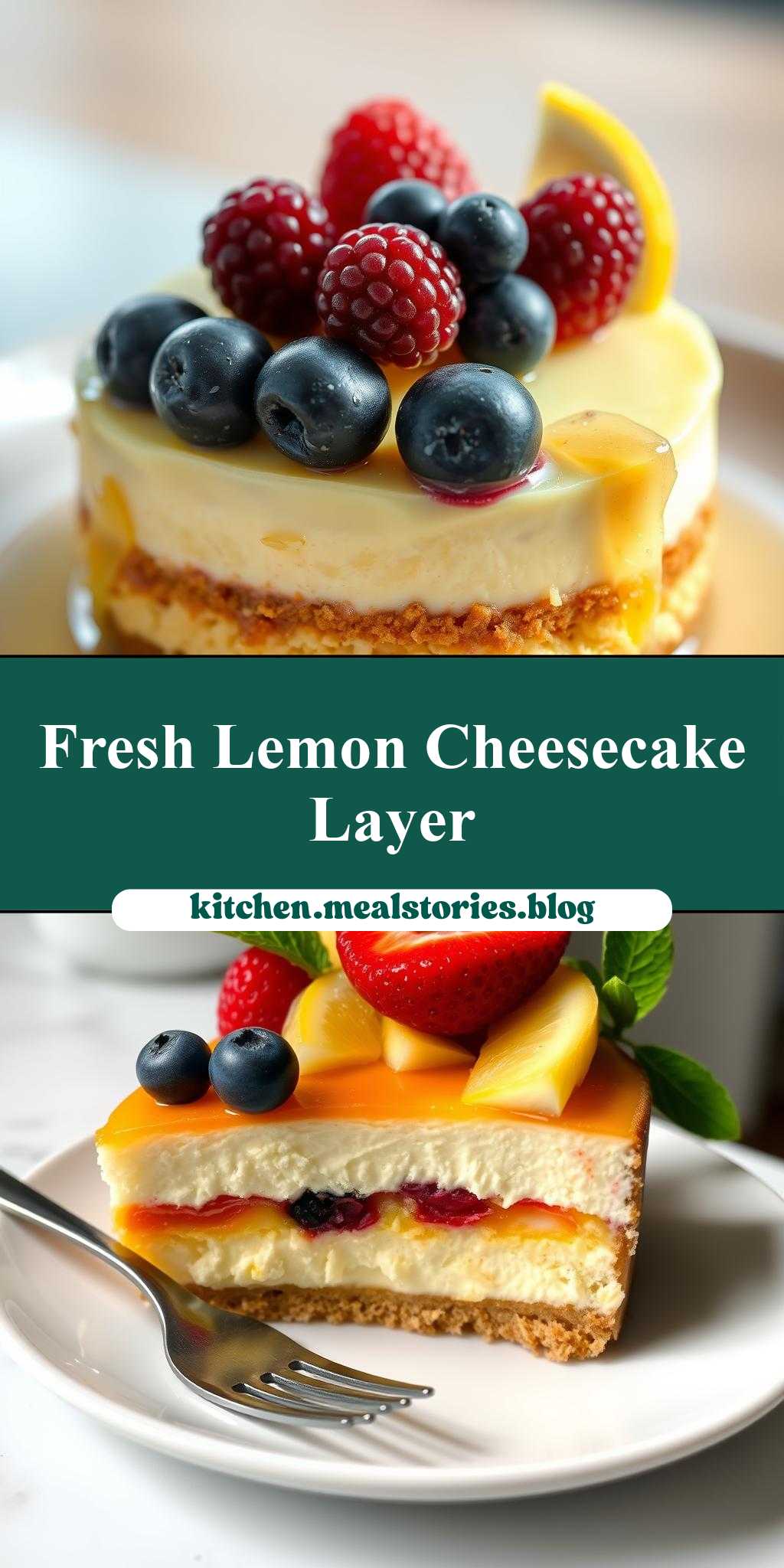
What’s the perfect dessert for warm weather gatherings – a refreshing lemonade layer cheesecake recipe that’s incredibly easy to make at home with fresh lemons and a homemade graham cracker crust, topped with seasonal fruit, save this idea for your next family favorite dinner party
lemonade layer cheesecake recipe with fresh fruit on top
Introduction
Imagine a refreshing dessert that captures the essence of summer in every bite – a lemonade layer cheesecake adorned with a vibrant array of fresh fruits. This creative recipe is not just a treat for the taste buds but also a masterpiece of presentation, perfect for special occasions or simply to brighten up a sunny day. What makes this dessert truly special is its accessibility; using everyday ingredients, it’s surprisingly easy to make, yet it offers a depth of flavor and a level of creativity that will impress even the most discerning palates. Whether you’re a seasoned baker or just starting to explore the world of desserts, this lemonade layer cheesecake with fresh fruit on top is a must-try.
Why This Works
- Flavor balance and ingredient accessibility: The combination of a tangy lemonade-infused cheesecake layer with the sweetness of fresh fruits creates a perfect balance of flavors. Moreover, the ingredients are easily found in most supermarkets, making this dessert accessible to everyone.
- Ease of preparation: Despite its impressive appearance, this cheesecake is relatively simple to prepare. The steps are straightforward, and each component can be made ahead of time, reducing last-minute stress.
- Impressive results with minimal effort: The layering of the cheesecake with lemonade and the topping of fresh fruits give this dessert a sophisticated look that belies its ease of preparation. It’s perfect for those who want to impress without spending hours in the kitchen.
Key Ingredients
The main ingredients for this recipe include a graham cracker crust, a lemonade-infused cheesecake batter, and a variety of fresh fruits such as strawberries, blueberries, and raspberries. For the cheesecake, you will need cream cheese, eggs, sugar, lemon zest, lemon juice, and a lemonade concentrate or freshly squeezed lemonade. The graham cracker crust can be made from scratch with graham cracker crumbs, sugar, and melted butter, or you can use a pre-made crust for convenience. Practical substitutions can be made for some ingredients; for example, you can use other types of crackers for the crust or different combinations of fruits based on what’s in season and your personal preferences.
Instructions
- Step 1: Begin by preparing your ingredients. This includes making the graham cracker crust from scratch by mixing the crumbs with sugar and melted butter, then pressing the mixture into a springform pan. Also, zest and juice your lemons, and prepare your lemonade concentrate according to the package instructions or use freshly squeezed lemonade.
- Step 2: Preheat your oven to 325°F (165°C). Prepare the cheesecake batter by mixing the cream cheese and sugar until smooth, then adding the eggs one at a time, followed by the lemon zest, lemon juice, and lemonade concentrate. Mix well until all ingredients are fully incorporated.
- Step 3: Pour the cheesecake batter into the prepared pan over the graham cracker crust. Bake for about 50-60 minutes, or until the edges are set and the center is slightly jiggly. Let the cheesecake cool completely in the pan.
- Step 4: Once the cheesecake is cooled, arrange your fresh fruits on top. You can create a pattern or simply scatter them. Chill the cheesecake in the refrigerator for at least 4 hours before serving. When ready to serve, remove the sides of the springform pan and slice the cheesecake. Serve chilled and enjoy!
Handy Tips
- Always use room temperature ingredients for the cheesecake batter to ensure it mixes smoothly and evenly. Avoid overmixing the batter, as this can lead to a dense cheesecake. If you find that your cheesecake cracks, don’t worry; the fresh fruit topping will cover any imperfections. Consider using a water bath to bake the cheesecake for a more even cooking and to prevent cracking.
Heat Control
For this recipe, it’s crucial to control the heat to prevent the cheesecake from cooking too quickly, which can cause it to crack or become too dark. Baking at 325°F (165°C) is ideal, as it allows for a gentle cooking process. The cheesecake is done when the edges are set, and the center is just slightly jiggly. Avoid overbaking, as this will make the cheesecake dry.
Crunch Factor
The crunch in this dessert comes from the graham cracker crust, which provides a nice textural contrast to the smooth cheesecake and soft fruits. To achieve a crunchy crust, make sure to not overmix the crust ingredients, and bake it for a few minutes before adding the cheesecake batter. This will help it set and become crispy.
Pro Kitchen Tricks
- For a smoother cheesecake, make sure all your ingredients are at room temperature before mixing. Also, mixing the eggs one at a time and scraping down the sides of the bowl after each addition can help incorporate air and ensure a lighter texture.
- A water bath can be a game-changer for cheesecakes, helping them cook more evenly and reducing the risk of cracking. Simply wrap the outside of your springform pan with foil and place it in a larger pan filled with hot water to about halfway up the sides of the cheesecake pan.
Storage Tips
- This cheesecake can be stored in the refrigerator for up to 5 days. It’s best to keep it in the springform pan until you’re ready to serve, then release the sides and slice. For longer storage, consider freezing the cheesecake without the fresh fruit topping. Wrap it tightly in plastic wrap or aluminum foil and place it in a freezer-safe bag. Frozen cheesecakes can be stored for up to 2 months. Thaw overnight in the refrigerator before topping with fresh fruits.
Gift Packaging Ideas
If you’re considering gifting this cheesecake, presentation is key. One beautiful way to package it is by placing the sliced cheesecake in airtight containers or jars, topping each slice with fresh fruits just before gifting. You can also wrap the entire cheesecake in decorative plastic wrap or aluminum foil and top it with a bow. For a more rustic look, consider a wooden crate or a basket lined with parchment paper and filled with the cheesecake slices and an assortment of fresh fruits.
Flavor Variations
- Different spices: Consider adding a pinch of cinnamon or nutmeg to the cheesecake batter for a unique twist. Lemon and spices pair well together and can add depth to the dessert.
- Creative toppings: While fresh fruits are a classic choice, you can also experiment with other toppings like caramel sauce, chocolate shavings, or even a sprinkle of sea salt to balance the sweetness.
- Ingredient swaps: For a gluten-free version, use gluten-free graham crackers for the crust. You can also substitute the cream cheese with a lighter version or a vegan alternative for a dairy-free cheesecake.
Troubleshooting
- Texture problems: If your cheesecake turns out too dense, it might be due to overmixing the batter. If it’s too soft, it might not have been baked long enough. Always check for doneness by slightly jiggling the pan.
- Ingredient replacements: If you’re missing an ingredient, consider what it does in the recipe and find a substitute that offers similar properties. For example, if you don’t have lemonade concentrate, you can use more lemon juice or try a different citrus flavor like lime or orange.
- Over/undercooking signs: An overcooked cheesecake will be dry and possibly cracked, while an undercooked one will be too jiggly in the center. Adjust your baking time as needed, and keep an eye on the cheesecake during the last 10 minutes of baking.
FAQs
- Can I freeze it? Yes, you can freeze the cheesecake for up to 2 months. It’s best to freeze it without the fresh fruit topping and thaw it overnight in the refrigerator before serving.
- Is it gluten-free? The original recipe includes graham cracker crumbs, which contain gluten. However, you can easily make a gluten-free version by using gluten-free graham crackers or substituting with a gluten-free crust alternative.
- Can I double the recipe? Yes, you can double the recipe to make a larger cheesecake. Just keep in mind that you’ll need to adjust the baking time accordingly. A larger cheesecake will take longer to cook through, so check it frequently towards the end of the baking time to avoid overcooking.
Conclusion
Making a lemonade layer cheesecake with fresh fruit on top is a fun and rewarding baking project that’s perfect for spring and summer. With its bright, citrusy flavor and beautiful presentation, it’s sure to be a hit at any gathering. Don’t be afraid to experiment with different flavors and toppings to make the recipe your own, and enjoy the process of creating something delicious and visually appealing. Whether you’re a beginner in the kitchen or a seasoned pro, this recipe offers a great balance of ease and impressiveness, making it a wonderful addition to any dessert repertoire.