
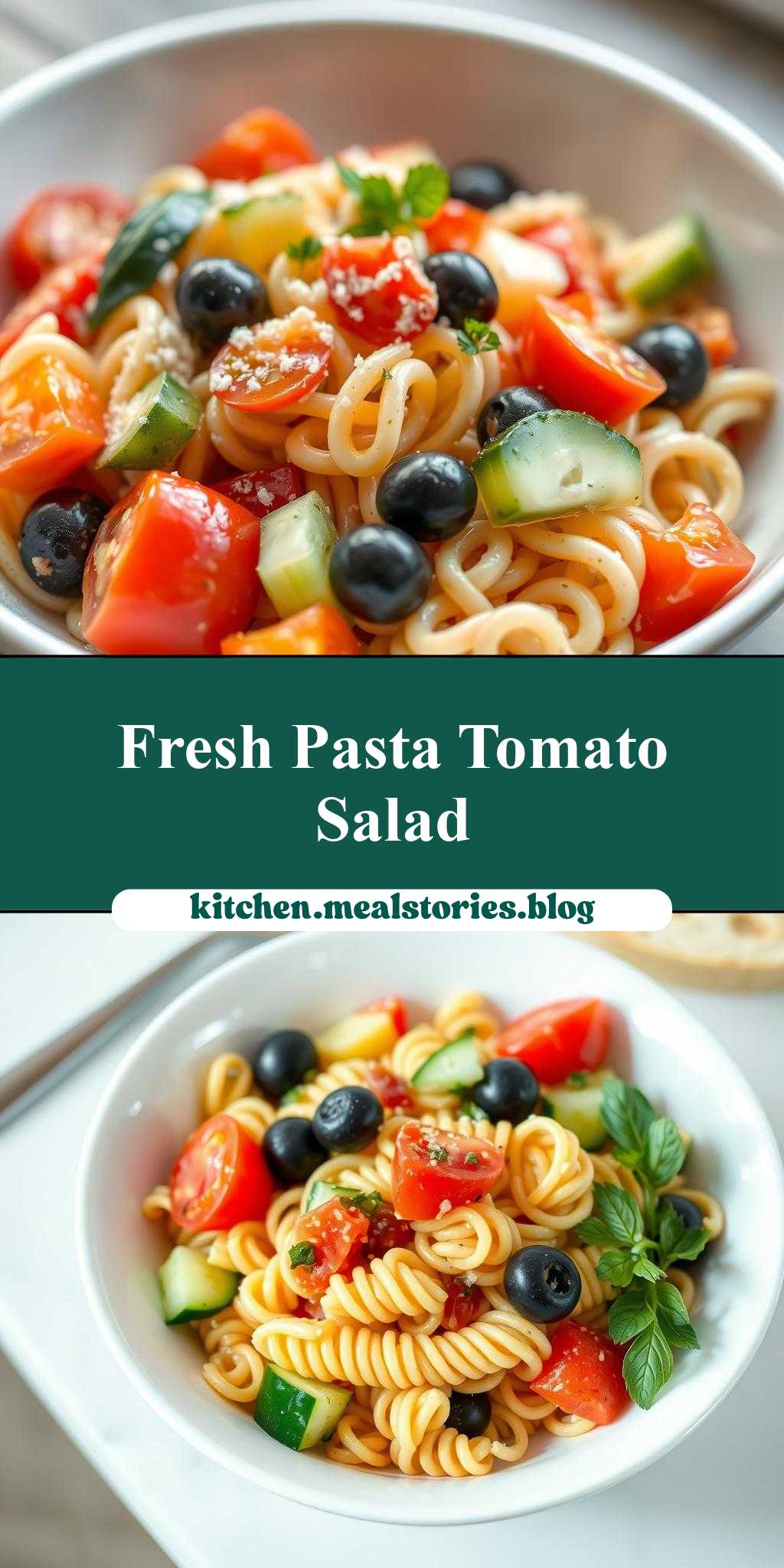
What makes a perfect summer side dish? This homemade pasta salad with fresh tomatoes and olives is a quick and easy weeknight dinner solution. Save this idea for a delicious family favorite meal to enjoy all season long, try it soon
pasta salad with tomatoes, cucumbers and olives in a white bowl
Introduction
This refreshing pasta salad is a symphony of flavors and textures, combining the comfort of pasta with the freshness of tomatoes, cucumbers, and olives, all perfectly balanced in a light and zesty dressing. What makes this dish truly special is its ease of preparation, using everyday ingredients that are readily available in most kitchens. Whether you’re looking for a quick lunch, a side dish for a barbecue, or a healthy snack, this pasta salad is a versatile and delicious choice that is sure to impress. The creativity lies in its simplicity, allowing you to experiment with various ingredients and dressings to make it your own. So, let’s dive into the world of pasta salads and explore why this recipe stands out from the rest.
Why This Works
- Flavor balance and ingredient accessibility: The combination of juicy tomatoes, crunchy cucumbers, and savory olives creates a perfect harmony of flavors, while the use of common ingredients makes it easy to prepare without a special trip to the store.
- Ease of preparation: This pasta salad requires minimal cooking and can be prepared in under 30 minutes, making it an ideal choice for busy days or when you need a quick meal.
- Impressive results with minimal effort: Despite its simplicity, this salad presents beautifully, especially when served in a white bowl, which highlights the vibrant colors of the vegetables and makes for a stunning centerpiece or side dish.
Key Ingredients
The main ingredients in this pasta salad include pasta of your choice (bow tie, penne, or rotini work well), fresh tomatoes (heirloom or cherry tomatoes add a burst of flavor), cucumbers (English or hothouse cucumbers are less bitter and have a better texture), olives (Kalamata or green olives provide a salty contrast), a light vinaigrette dressing, and some fresh basil for garnish. Practical substitutions can include using canned olives if fresh are not available, substituting mozzarella or feta cheese for added creaminess, or adding some grilled chicken for extra protein. The key is to keep the ingredients fresh and simple, allowing each component to shine in the dish.
Instructions
- Step 1: Begin by cooking your pasta according to the package instructions until it’s al dente. Drain and set aside to cool. While the pasta is cooking, chop your tomatoes, cucumbers, and olives into bite-sized pieces. If using fresh basil, chop it finely and set aside for garnish.
- Step 2: In a large bowl, combine the cooled pasta, chopped tomatoes, cucumbers, and olives. In a small bowl, whisk together your vinaigrette ingredients (olive oil, lemon juice, salt, and pepper) and pour over the pasta mixture. Toss gently to combine, ensuring all the ingredients are well coated with the dressing.
- Step 3: Layer the flavors by adding any additional ingredients you like, such as crumbled feta cheese or sliced grilled chicken. This step allows you to customize the salad to your taste, adding more or less of any ingredient as you prefer.
- Step 4: Final touches involve tasting and adjusting the seasoning as needed. You might want to add more lemon juice for brightness or salt for depth. Finally, garnish with chopped fresh basil and serve in a white bowl to showcase the colors and textures of the salad.
Handy Tips
- One of the most helpful kitchen advice for this recipe is to not overdress the salad. The dressing should enhance the flavors of the ingredients, not overpower them. Start with a light hand and add more dressing as needed.
- Consider using a variety of tomatoes for a mix of colors and flavors. Cherry tomatoes, for instance, add a sweetness that complements the savory olives nicely.
- Avoid overcooking the pasta, as it will continue to absorb the dressing and can become mushy. Al dente pasta holds the dressing better and provides a nicer texture to the salad.
Heat Control
This recipe primarily involves cold ingredients, with the only cooking required being the pasta. For cooking pasta, the ideal temperature is boiling point (100°C or 212°F), and the timing will depend on the type of pasta you’re using. Generally, pasta is done when it’s al dente, meaning it still has a bit of bite or chew to it. This is usually 8-12 minutes for most types of pasta, but be sure to check the package instructions for specific guidance.
Crunch Factor
The crunch in this salad comes from the cucumbers and, to some extent, the fresh tomatoes. To maintain the crunch, it’s essential to prepare the salad just before serving. If you’re preparing ahead, consider dressing the salad just! before serving to prevent the ingredients from becoming soggy. Additionally, using English or hothouse cucumbers, which have a lower water content, can help keep the salad fresh and crunchy for longer.
Pro Kitchen Tricks
- One expert tip is to salt the pasta water generously. This might seem like a small detail, but it makes a significant difference in the flavor of the pasta. The rule of thumb is to use about 1-2 tablespoons of salt for every 4 cups of water.
- For a shortcut, use pre-chopped or marinated ingredients when available. Many grocery stores now offer pre-chopped vegetables or olives in their deli section, which can save you time in preparation.
- Consider making a large batch of vinaigrette and storing it in the fridge for up to a week. This can be used not only for pasta salads but also as a dressing for green salads or as a marinade for grilled meats or vegetables.
Storage Tips
- For leftover storage, place the salad in an airtight container in the refrigerator. It’s best consumed within a day or two for optimal freshness and texture.
- Reheating is not recommended for this salad, as it’s meant to be served cold. However, if you’ve added ingredients like grilled chicken that you want to warm up, consider warming those components separately before combining them with the cold salad ingredients.
- The shelf life of this salad is short due to the fresh ingredients. It’s best made fresh, but components like cooked pasta and vinaigrette can be prepared ahead and stored separately until ready to assemble the salad.
Gift Packaging Ideas
If you’re considering gifting this pasta salad, a beautiful and practical way to package it is in a large, decorative glass jar with a tight-fitting lid. Layer the ingredients attractively in the jar, finishing with a sprinkle of fresh basil on top. Wrap the lid with a ribbon or twine and attach a gift tag with serving instructions. For a more rustic look, you could also use a wooden bowl or a woven basket lined with a colorful napkin. The key is to make the presentation as appealing as the taste, showcasing the freshness and vibrancy of the ingredients.
Flavor Variations
- Different spices: Consider adding a pinch of red pepper flakes for a spicy kick or some dried oregano for a more Mediterranean flavor.
- Creative toppings: Add some toasted pine nuts or chopped fresh parsley for added texture and flavor. Grilled or roasted vegetables like zucchini, bell peppers, or eggplant can also add depth and variety to the salad.
- Ingredient swaps: Swap out the pasta for quinoa or farro for a gluten-free option, or use different types of cheese like goat cheese or ricotta for a creamier salad.
Troubleshooting
- Texture problems: If the salad becomes too soggy, it might be due to over-dressing or using ingredients that are too watery. Try adding more pasta or vegetables to balance it out.
- Ingredient replacements: If you can’t find a specific ingredient, don’t be afraid to substitute. For example, if Kalamata olives are not available, you could use green olives or even capers as a substitute.
- Over/undercooking signs: For pasta, the sign of doneness is when it’s al dente. If it’s overcooked, it will be mushy. For vegetables, they should be crisp and fresh. If they’re soggy, they might have been over-dressed or exposed to heat for too long.
FAQs
- Can I freeze it? It’s not recommended to freeze this salad as the textures and flavors will not hold up well. However, you can prepare components like cooked pasta and vinaigrette ahead and store them in the fridge for a short period.
- Is it gluten-free? Depending on the type of pasta used, this salad can be gluten-free. Opt for gluten-free pasta to make the dish accessible to those with dietary restrictions.
- Can I double the recipe? Yes, this recipe can easily be doubled or tripled for larger gatherings. Just be sure to have a large enough bowl to combine all the ingredients and adjust the dressing accordingly to ensure all components are well coated.
Conclusion
In conclusion, this pasta salad with tomatoes, cucumbers, and olives in a white bowl is a versatile, delicious, and easy-to-make dish perfect for any occasion. With its balanced flavors, crunchy texture, and vibrant presentation, it’s sure to become a favorite. Don’t be afraid to experiment and make it your own by adding your favorite ingredients or trying out different dressings. Whether you’re a seasoned chef or a beginner in the kitchen, this recipe is a great starting point for exploring the world of pasta salads. So, go ahead, give it a try, and enjoy the process of creating something truly special and delicious.