
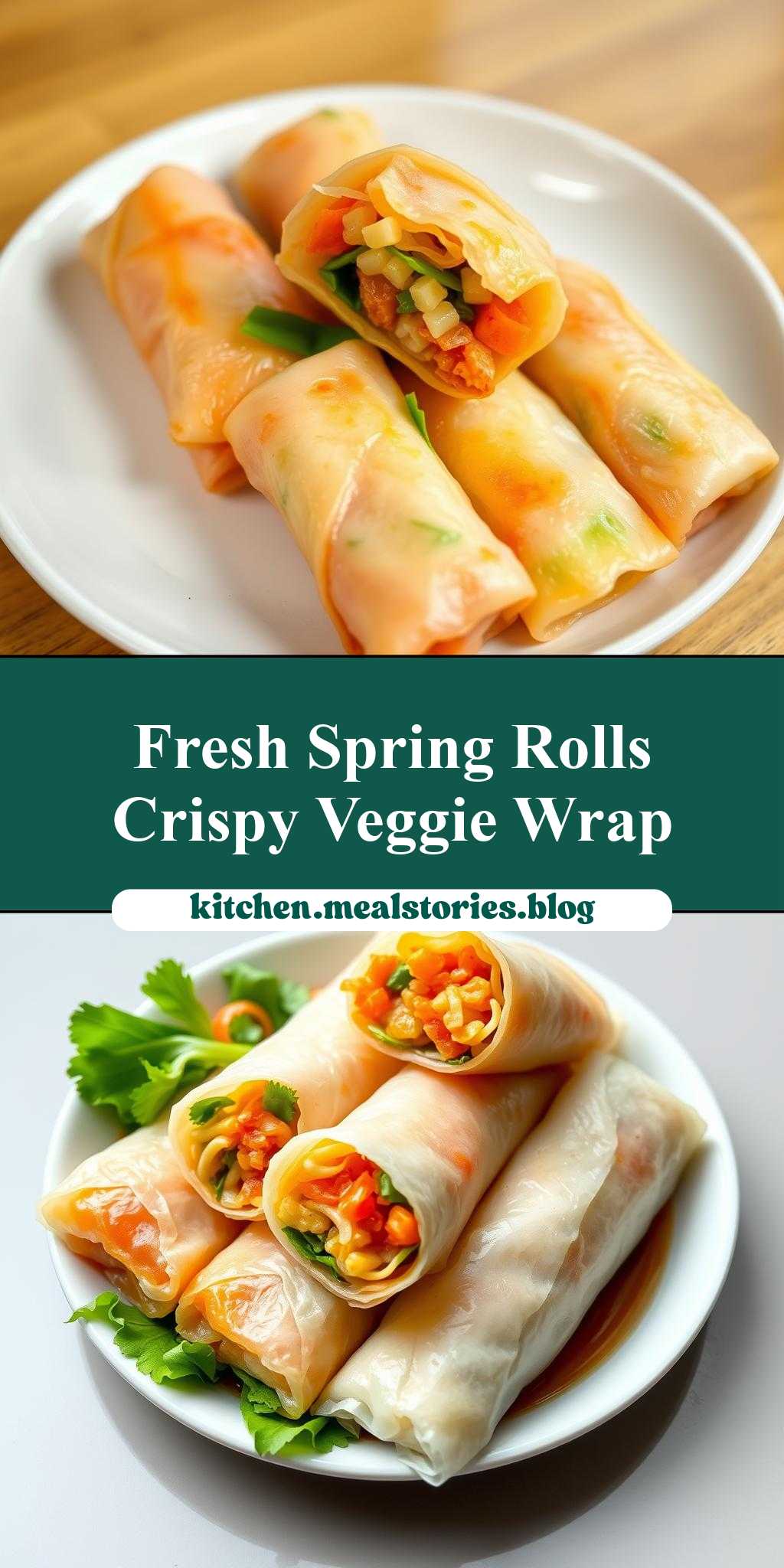
What makes a spring roll truly unforgettable? For me, it’s the fresh flavors of Lumpiang Sariwa, a Filipino favorite made with tender shrimp and crisp vegetables, all wrapped up in a quick and easy homemade package, perfect for a weeknight dinner. Save this idea for a delicious family favorite to enjoy later.
Lumpiang Sariwa (Filipino Fresh Spring Rolls)
Introduction
Lumpiang Sariwa, or Filipino Fresh Spring Rolls, is a dish that embodies the vibrant and diverse culinary culture of the Philippines. These spring rolls are a refreshing twist on traditional fried spring rolls, offering a lighter and healthier alternative that still packs a punch of flavor. Made with a variety of fresh vegetables, sometimes paired with cooked meats or shrimp, and wrapped in a delicate crepe-like wrapper, Lumpiang Sariwa is a treat for the senses. The best part? It’s incredibly easy to make and requires minimal cooking, making it perfect for warm days or as a quick snack any time of the year. The creativity and flexibility in choosing fillings also make it an excellent canvas for experimenting with everyday ingredients, turning a simple dish into a masterpiece of flavors and textures.
Why This Works
- Flavor balance and ingredient accessibility: The beauty of Lumpiang Sariwa lies in its balance of flavors and the ease of finding its ingredients. Most of the vegetables and seasonings used are readily available in any market, making it accessible to everyone.
- Ease of preparation: One of the standout features of this dish is how easy it is to prepare. With minimal cooking involved, most of the time is spent on preparation, which can be quite therapeutic, and assembly, which is straightforward and fun.
- Impressive results with minimal effort: Despite the simplicity of its preparation, Lumpiang Sariwa presents beautifully and tastes amazing, making it an impressive dish to serve at gatherings or parties without requiring hours of slaving away in the kitchen.
Key Ingredients
The main ingredients for Lumpiang Sariwa include a variety of fresh vegetables such as cabbage, carrots, and bean sprouts. Sometimes, cooked shrimp or chicken is added for extra protein. The wrapper, which is a crepe-like pancake made from flour, water, and sometimes eggs, is delicate and slightly sweet, providing a gentle contrast to the savory fillings. Practical substitutions can be made with the vegetables based on personal preference and seasonal availability, and for vegetarians or vegans, omitting or substituting the animal products with tofu or tempeh is a simple and effective way to adapt the recipe.
Instructions
- Step 1: Begin by preparing your fillings. Chop the cabbage, carrots, and bean sprouts into thin strips. If using, cook the shrimp or chicken and let it cool. Mix all the fillings together in a bowl, adding a bit of salt and pepper to taste.
- Step 2: Prepare the wrapper batter. In a separate bowl, mix together flour, water, and a pinch of salt until smooth. The batter should be thin and free of lumps. If the batter is too thick, add a little more water.
- Step 3: Cook the wrappers. Heat a small non-stick pan over medium heat. Pour a small amount of the batter into the pan, tilting the pan to evenly coat the bottom. Cook until the edges start to curl and the surface is dry, then remove from heat. Repeat until all the batter is used up.
- Step 4: Assemble the spring rolls. Lay a wrapper on a flat surface. Place about a tablespoon of the filling in the center of the wrapper. Brush the edges with a little water, then fold the bottom half over the filling, fold in the sides, and roll up the wrapper to form a tight cylinder. Repeat with the remaining wrappers and filling.
Handy Tips
- When preparing the fillings, make sure to squeeze out as much water from the vegetables as possible to prevent the spring rolls from becoming soggy.
- For the wrappers, the key is to make them as thin as possible. This might take a bit of practice to get the batter right and the cooking time just so, but it’s worth it for the delicate texture it provides.
- Experiment with different fillings and seasonings to give your Lumpiang Sariwa a personal touch. Adding a bit of garlic or onion to the filling can add depth, while a squeeze of fresh lime juice can enhance the brightness of the flavors.
Heat Control
Since the wrappers are cooked on a pan, heat control is crucial. The ideal temperature is medium heat, where the batter cooks slowly and evenly. If the heat is too high, the wrapper might cook too quickly on the outside before it’s fully set, leading to an uneven texture. Look for the edges to start curling and the surface to be dry as signs that the wrapper is done.
Crunch Factor
Lumpiang Sariwa is all about freshness and delicacy, so the goal is not to achieve crunch but to maintain a soft, pliable texture for the wrappers and a crisp freshness for the vegetables. To achieve this, make sure not to overcook the wrappers and to use the freshest vegetables possible for the filling.
Pro Kitchen Tricks
- Use a high-quality non-stick pan for cooking the wrappers to prevent them from sticking and to make them easier to remove.
- Prepare the fillings and wrappers ahead of time, but assemble the spring rolls just before serving to keep them fresh and prevent sogginess.
- Keep the assembled spring rolls covered with a damp cloth to prevent the wrappers from drying out before serving.
Storage Tips
- Leftover spring rolls can be stored in an airtight container in the refrigerator for up to a day. Let them come to room temperature before serving.
- For longer storage, consider freezing the assembled spring rolls. Simply place them in a single layer on a baking sheet, freeze until solid, then transfer to a freezer-safe bag or container for up to 3 months. Thaw frozen spring rolls in the refrigerator overnight before serving.
- When reheating, a quick steam or a few seconds in the microwave can help restore the freshness and texture of the spring rolls.
Gift Packaging Ideas
Lumpiang Sariwa can be a lovely gift, especially when packaged nicely. Consider placing a dozen or so spring rolls in a decorative basket or box, garnished with fresh herbs like mint or basil. You can also wrap them individually in plastic wrap or aluminum foil and place them in a gift bag. Adding a small bottle of peanut sauce or a similar dipping sauce can elevate the gift, making it a complete and thoughtful present.
Flavor Variations
- Different spices: Adding a pinch of cayenne pepper or red pepper flakes can give the spring rolls a spicy kick, while a sprinkle of paprika can add a smoky depth.
- Creative toppings: Serve the spring rolls with a variety of toppings such as chopped peanuts, diced mango, or pickled carrots to add texture and flavor contrast.
- Ingredient swaps: Substitute the traditional fillings with other vegetables like zucchini, mushrooms, or spinach to create different flavor profiles.
Troubleshooting
- Texture problems: If the wrappers are too thick or soggy, check the batter consistency and cooking time. Adjust the amount of water in the batter or the heat on the stove to achieve the right texture.
- Ingredient replacements: If certain ingredients are not available, feel free to substitute them with similar alternatives. For example, use lettuce instead of cabbage or add cooked tofu for protein.
- Over/undercooking signs: Wrappers that are overcooked will be dry and brittle, while undercooked ones will be sticky and raw-tasting. Adjust the cooking time based on the thickness of the wrappers and the heat of the pan.
FAQs
- Can I freeze it? Yes, you can freeze Lumpiang Sariwa. Assemble the spring rolls, place them on a baking sheet, freeze until solid, then transfer to a freezer-safe bag or container for storage.
- Is it gluten-free? Traditionally, the wrappers are made from wheat flour, which contains gluten. However, you can make gluten-free wrappers by substituting the wheat flour with a gluten-free flour blend.
- Can I double the recipe? Absolutely. Simply double all the ingredients for the fillings and the wrappers. You might need to cook the wrappers in a larger pan or in batches to prevent overcrowding.
Conclusion
Making Lumpiang Sariwa is a journey of discovery and creativity, allowing you to experiment with various ingredients and flavors while enjoying the simplicity and freshness of this traditional Filipino dish. Whether you’re cooking for yourself or for a crowd, this recipe is sure to delight with its ease of preparation, impressive presentation, and most importantly, its delicious taste. So, don’t be afraid to get creative, share your adaptations, and enjoy the process of making something truly special with everyday ingredients.