
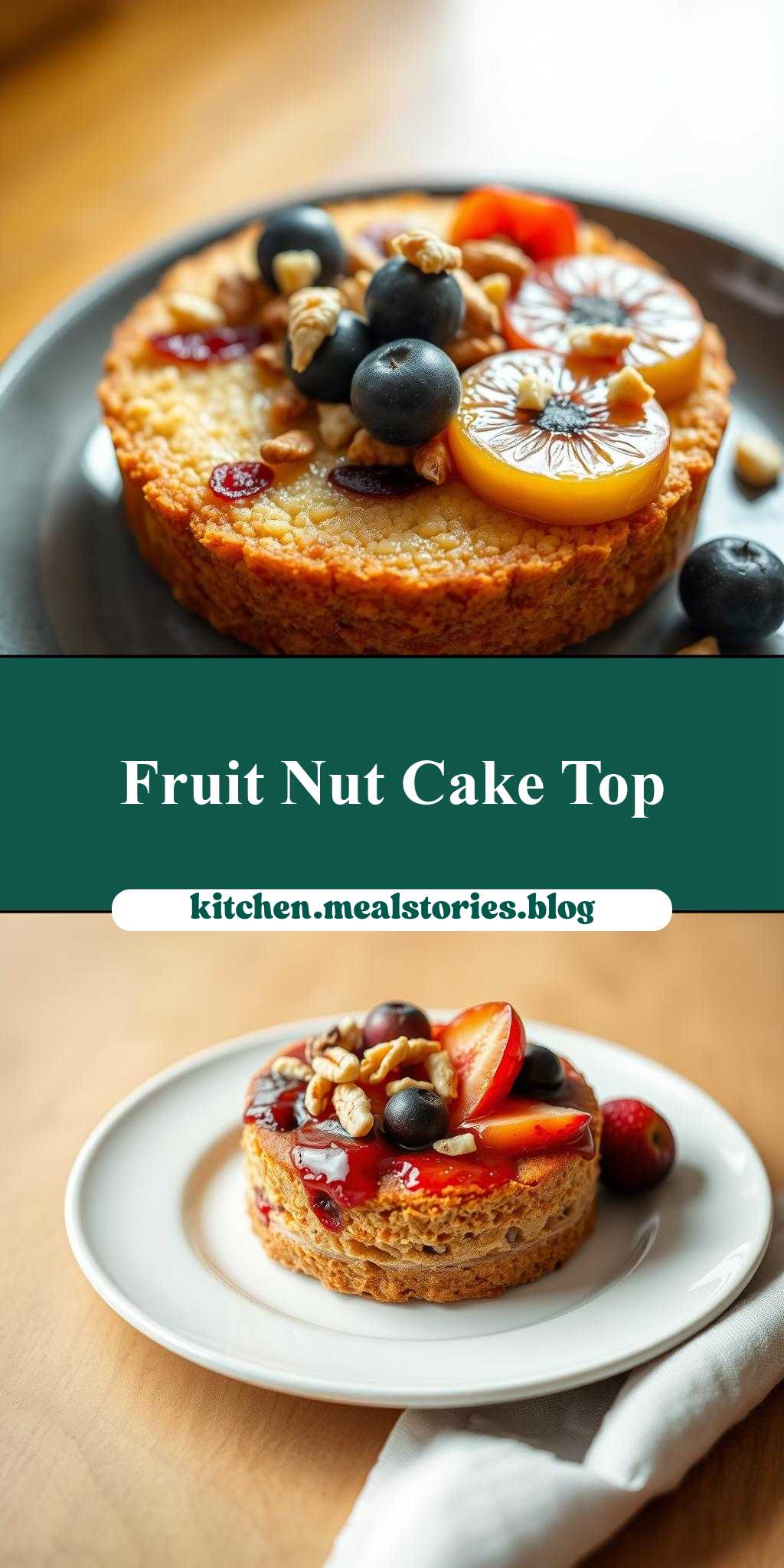
What makes the perfect dessert combination – is it the sweetness of the cake, the crunch of nuts or the burst of fresh fruit? This homemade treat features a moist cake topped with a mix of toasted nuts and seasonal fruit, making it an easy and delicious family favorite. Save this idea for your next special occasion.
a cake with fruit and nuts on top
Introduction
This delightful dessert is a symphony of flavors and textures, combining the moistness of a cake with the natural sweetness of fruit and the crunch of nuts. What makes this recipe truly special is its accessibility and ease of preparation, using everyday ingredients that can be found in most kitchens. The creativity lies in the combination of these ingredients, allowing for a plethora of variations to suit any taste or dietary preference. Whether you’re a seasoned baker or a novice in the kitchen, this cake is sure to impress with its simplicity and the joy it brings to those who taste it.
Why This Works
- Flavor balance and ingredient accessibility: The cake’s base provides a subtle sweetness, while the fruit adds natural sugars and the nuts contribute a satisfying crunch, all of which are easily obtainable from local markets.
- Ease of preparation: The steps involved in making this cake are straightforward and require minimal specialized equipment, making it a perfect project for a lazy Sunday or a quick dessert for a gathering.
- Impressive results with minimal effort: Despite its simplicity, the combination of textures and flavors creates a dessert that is both visually appealing and delicious, sure to impress friends and family without requiring hours of intricate preparation.
Key Ingredients
The foundation of this cake includes all-purpose flour, sugar, eggs, and butter, which are staples in many kitchens. For the fruit topping, seasonal fruits such as strawberries, blueberries, or sliced apples work beautifully, offering a variety of flavors and textures. The nuts can range from almonds and walnuts to pecans, depending on personal preference and the desired crunch. Practical substitutions can be made for dietary restrictions; for example, using almond flour for a gluten-free option or substituting sugar with honey for a slightly different flavor profile.
Instructions
- Step 1: Begin by preheating your oven to 350°F (175°C). Prepare your cake pan by greasing it with butter and dusting it with flour. Chop your nuts and wash, slice, or chop your chosen fruit, depending on its texture and how you wish it to be presented on the cake.
- Step 2: Mix the cake batter by combining flour, sugar, eggs, and melted butter in a large bowl. Beat the mixture until it’s smooth and well combined. Pour the batter into your prepared cake pan and bake for about 20-25 minutes, or until a toothpick inserted into the center comes out clean.
- Step 3: Once the cake is baked, allow it to cool slightly before topping it with your fruit and nuts. You can arrange the fruit in a pattern or simply scatter it across the top, depending on your desired presentation. Drizzle with a bit of honey or sprinkle with powdered sugar for added sweetness and visual appeal.
- Step 4: For the final touches, consider adding a sprinkle of cinnamon or a dollop of whipped cream to enhance the flavors and textures. Slice the cake and serve warm or at room temperature, depending on your preference.
Handy Tips
- When selecting your fruit, choose seasonal options for the best flavor and texture. Also, consider the pairing of flavors; for example, the sweetness of strawberries pairs well with the earthiness of almonds.
- Avoid overmixing the cake batter, as this can result in a dense cake. Stop mixing once the ingredients are just combined.
- For an extra crunchy topping, toast your nuts in a pan for a few minutes before sprinkling them on the cake.
Heat Control
The ideal temperature for baking the cake is 350°F (175°C), and the timing will depend on the size of your cake and your oven’s performance. A general rule of thumb is to bake for 20-25 minutes for a small cake and up to 40 minutes for a larger one. Signs of doneness include the cake pulling away from the sides of the pan, a golden brown color, and a clean toothpick when inserted into the center.
Crunch Factor
To achieve the perfect crunch, ensure your nuts are freshly toasted and your fruit is crisp. For fruits like apples, slicing them just before topping the cake can help maintain their texture. If using berries, a light dusting of powdered sugar can help bring out their natural sweetness without making them soggy.
Pro Kitchen Tricks
- Use room temperature ingredients for a lighter and fluffier cake. This includes taking your eggs and butter out of the refrigerator about an hour before you start baking.
- Don’t overbake. A slightly underbaked cake will be moister and more appealing than one that’s overcooked.
- For cleanup, use parchment paper in your cake pan for easy removal and minimal washing.
Storage Tips
- This cake can be stored at room temperature for up to 2 days, covered with plastic wrap or aluminum foil to keep it fresh.
- For longer storage, consider refrigerating the cake for up to 5 days. Bring it to room temperature before serving for the best flavor and texture.
- Freezing is also an option; wrap the cake tightly in plastic wrap or aluminum foil and store in a freezer-safe bag for up to 2 months. Thaw at room temperature when you’re ready to serve.
Gift Packaging Ideas
This cake makes a wonderful gift, especially when presented nicely. Consider placing the cake in a decorative tin or on a cake stand, wrapped with a ribbon around the base. For a more rustic look, use a wooden crate or a basket lined with parchment paper. Adding a few extra nuts or a sprig of fresh fruit on top can make it even more appealing.
Flavor Variations
- Different spices: Add a pinch of cinnamon, nutmeg, or cardamom to the cake batter for unique flavor profiles.
- Creative toppings: Experiment with various nuts and seeds, such as pistachios, pecans, or even sesame seeds, for different textures and flavors.
- Ingredient swaps: Substitute the sugar with maple syrup or honey for a different sweetness level, or use coconut oil instead of butter for a dairy-free option.
Troubleshooting
- Texture problems: If your cake turns out too dense, it might be due to overmixing. If it’s! too dry, it could be overbaked.
- Ingredient replacements: Always consider the flavor and texture you’re replacing when substituting ingredients. For example, replacing eggs with flax eggs can affect the structure of the cake.
- Over/undercooking signs: Keep an eye on your cake’s color, texture, and the time it’s been baking. A toothpick test is usually the most reliable method to check for doneness.
FAQs
- Can I freeze it? Yes, you can freeze the cake for up to 2 months. It’s best to wrap it tightly to prevent freezer burn.
- Is it gluten-free? The basic recipe includes all-purpose flour, which contains gluten. However, you can make a gluten-free version by substituting the flour with a gluten-free flour blend.
- Can I double the recipe? Yes, you can double the recipe to make a larger cake. Just keep in mind that the baking time will increase, so check the cake frequently to avoid overbaking.
Conclusion
This cake with fruit and nuts on top is a versatile and delicious dessert that can be adapted to suit any occasion or dietary need. With its ease of preparation and the joy of combining different flavors and textures, it’s a recipe that encourages creativity and sharing. Whether you’re baking for a family gathering, a potluck, or just a cozy evening at home, this cake is sure to bring smiles and satisfy sweet tooth cravings. So go ahead, experiment with different fruits and nuts, and make this cake your own. Happy baking!