
What makes a perfect weeknight dinner? For me, it’s a quick and easy homemade shrimp dish, pan-seared to perfection with garlic and lemon. Save this idea for a delicious family favorite that’s ready in no time, try it soon and enjoy the flavors of a simple yet satisfying meal, pin for later and make it your own.
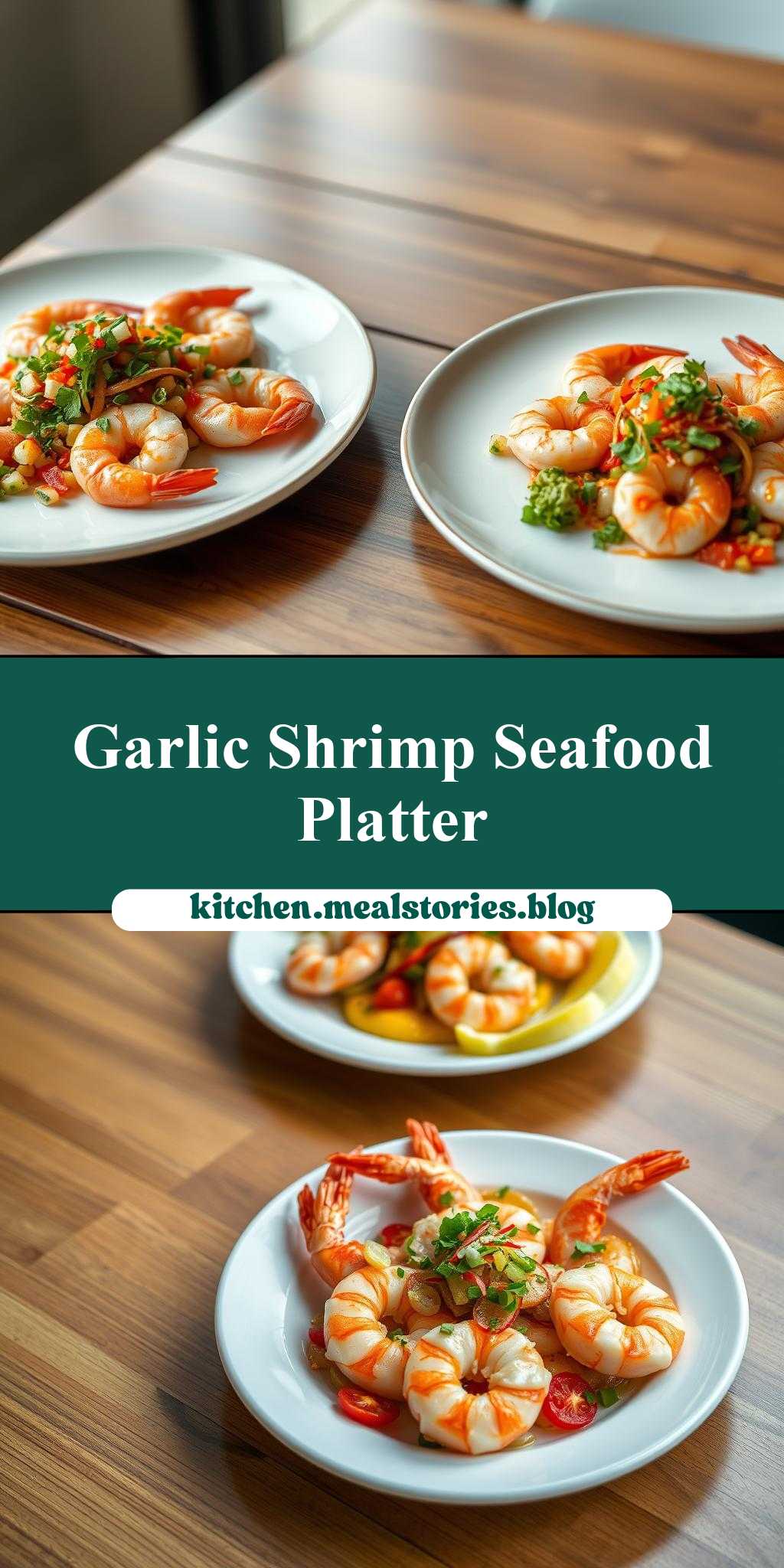
two plates filled with shrimp and garnishes on top of a wooden table
Introduction
Imagine the perfect blend of succulent shrimp, fresh garnishes, and a hint of creativity, all coming together on two beautifully presented plates, set against the warm backdrop of a wooden table. This dish is not just about the flavors; it’s about the experience. With everyday ingredients and a straightforward approach, you can create a culinary masterpiece that will impress both in taste and presentation. The ease of preparation, coupled with the impressive results, makes this recipe a must-try for anyone looking to elevate their dining experience without spending hours in the kitchen.
Why This Works
- Flavor balance and ingredient accessibility: The combination of shrimp with carefully selected garnishes ensures a balanced flavor profile that is both refreshing and savory. The ingredients are easily accessible, making this dish feasible for anyone to prepare.
- Ease of preparation: Despite its elegant presentation, this dish is surprisingly easy to prepare. The steps are simple, and the cooking time is minimal, making it perfect for a quick yet impressive meal.
- Impressive results with minimal effort: The key to this recipe’s success lies in its ability to deliver impressive results with minimal effort. The focus on presentation and the use of fresh, high-quality ingredients mean that you can achieve a restaurant-quality dish in the comfort of your own home.
Key Ingredients
The main ingredients for this dish include succulent shrimp, a variety of fresh garnishes such as parsley, dill, and lemon wedges, and a light, zesty sauce to bring everything together. For the shrimp, you can use either fresh or frozen, depending on what’s available. The garnishes can be substituted based on personal preference or seasonal availability, allowing for a degree of creativity and flexibility in the recipe. A practical substitution for the zesty sauce could be a homemade vinaigrette or a store-bought alternative, depending on your taste and the time you have available.
Instructions
- Step 1: Begin by preparing your ingredients. This includes thawing the shrimp if they’re frozen, chopping the fresh garnishes, and mixing the sauce according to your recipe or using a store-bought option. The key here is to have all your ingredients ready to go before you start cooking.
- Step 2: Cook the shrimp. This can be done in a variety of ways, including grilling, sautéing, or boiling, depending on your preference. The aim is to cook the shrimp until they’re just done, still moist and tender. Be careful not to overcook, as this can make the shrimp tough and less enjoyable.
- Step 3: Prepare the garnishes and sauce. If you’re using a homemade sauce, this might involve mixing together ingredients like lemon juice, olive oil, and herbs. For the garnishes, simply chop them finely and set them aside until you’re ready to plate.
- Step 4: Plate your dish. This is where you can get creative. Place the cooked shrimp on the plates, drizzle with your prepared sauce, and top with the fresh garnishes. Consider the color and texture of each component and how they can be arranged to create a visually appealing dish.
Handy Tips
- One of the most helpful kitchen tips for this recipe is to not overcook the shrimp. They should be cooked until they just turn pink and are still slightly tender in the center. Overcooking can lead to a tough, rubbery texture that’s less appealing.
- For substitutions, consider what flavors and textures you’re trying to achieve. If you can’t find fresh parsley, for example, dill or basil could make a good substitute, offering a slightly different but still fresh and herbaceous flavor.
- Avoid using low-quality ingredients, especially for the shrimp and garnishes, as these are central to the dish’s flavor and presentation. Fresh, high-quality ingredients will always produce a better result.
Heat Control
If you’re cooking the shrimp using heat, such as sautéing or grilling, it’s crucial to control the temperature and timing carefully. For sautéing, a medium-high heat is often best, allowing for a quick sear on the outside while keeping the inside tender. For grilling, ensure the grill is preheated to the right temperature, usually medium to medium-high, and cook for a couple of minutes on each side, or until the shrimp are just cooked through. The key signs of doneness are when the shrimp turn pink and are no longer translucent.
Crunch Factor
The crunch factor in this dish comes from the fresh garnishes and possibly from any additional elements you choose to add, such as toasted bread crumbs or crispy fried onions. To achieve the right crunch, ensure that your garnishes are freshly chopped and that any additional crunchy elements are prepared just before serving. This will help maintain their texture and ensure they add the desired depth to the dish.
Pro Kitchen Tricks
- One expert tip is to marinate the shrimp before cooking, even if it’s just for a few minutes. A quick marinade in something as simple as lemon juice, garlic, and herbs can elevate the flavor of the shrimp significantly.
- For a shortcut, consider using pre-peeled and deveined shrimp, which can save you a bit of time in preparation. Additionally, having a well-stocked pantry with basics like olive oil, lemon juice, and herbs can make throwing together a sauce or marinade much quicker.
- A cleanup hack is to prep and cook in a way that minimizes mess. This might mean cooking the shrimp in a single pan, using a utensil that can both stir and serve, and having all your ingredients and tools ready before you start.
Storage Tips
- If you have leftovers, the best way to store them is in an airtight container in the refrigerator. Cooked shrimp can be safely stored for a couple of days. When reheating, ensure the shrimp are heated through to an internal temperature of at least 165°F (74°C) to maintain food safety.
- For the best containers, look for something that can keep the shrimp and garnishes separate to maintain texture and freshness. Glass containers with tight-fitting lids are ideal.
- The shelf life of cooked shrimp is relatively short, so it’s best to consume them within a day or two of cooking. If you won’t be using them within this timeframe, consider freezing them. Frozen cooked shrimp can be stored for several months and reheated when needed.
Gift Packaging Ideas
If you’re looking to give this dish as a gift, perhaps for a dinner party or as a care package, consider packaging it in a way that maintains its freshness and visual appeal. A decorative bowl or container filled with the shrimp and garnishes, covered with plastic wrap or aluminum foil, can make a beautiful and thoughtful gift. Adding a side of bread or a simple salad can complement the dish nicely. For a more rustic touch, use a wooden crate or a basket lined with a clean towel or parchment paper, and don’t forget to include a personalized note or card.
Flavor Variations
- Different spices can completely change the flavor profile of the dish. Consider adding a pinch of cumin for a smoky flavor, some paprika for a smoky depth, or a bit of cayenne pepper for a spicy kick.
- Creative toppings can also elevate the dish. This might include diced mango for a sweet and savory combination, chopped nuts for added crunch, or a dollop of sour cream or yogurt for a cool and creamy contrast.
- Ingredient swaps are another way to vary the flavor. Instead of shrimp, you might consider using scallops, chicken, or even tofu for a vegetarian option. Each of these proteins will absorb flavors differently, so some experimentation with marinades and seasonings may be necessary.
Troubleshooting
- Texture problems, such as tough or rubbery shrimp, are usually due to overcooking. To avoid this, cook the shrimp until they just turn pink and are still slightly tender in the center.
- Ingredient replacements can sometimes throw off the balance of the dish. If you’re substituting ingredients, try to maintain the original flavor profile as closely as possible.
- Over/undercooking signs are crucial to watch for. Undercooked shrimp will be translucent and soft, while overcooked shrimp will be opaque, firm, and possibly tough. Aim for that perfect middle ground where the shrimp are just cooked through and still moist.
FAQs
- Can I freeze it? Yes, cooked shrimp can be frozen for later use. It’s best to freeze them as soon as possible after cooking, and they should be reheated to an internal temperature of at least 165°F (74°C) when you’re ready to eat them.
- Is it gluten-free? This dish can be gluten-free, depending on the ingredients used in the sauce or any additional elements. Be sure to check the labels of any store-bought ingredients, and choose gluten-free alternatives when necessary.
- Can I double the recipe? Yes, this recipe can be easily doubled or even tripled, depending on your needs. Just be sure to adjust the cooking time slightly if you’re cooking a larger quantity of shrimp, to ensure they all cook through evenly.
Conclusion
In conclusion, creating two plates filled with shrimp and garnishes on top of a wooden table is a fun and rewarding culinary project that can add a touch of elegance to any meal. With its emphasis on fresh ingredients, simple preparation, and creative presentation, this dish is perfect for special occasions or just a quick and impressive dinner. Don’t be afraid to experiment with different flavors and ingredients to make the dish your own, and enjoy the process of creating something truly special. Whether you’re a seasoned chef or just starting out in the kitchen, this recipe is sure to delight, and with a little practice, you’ll be creating stunning dishes like a pro.