
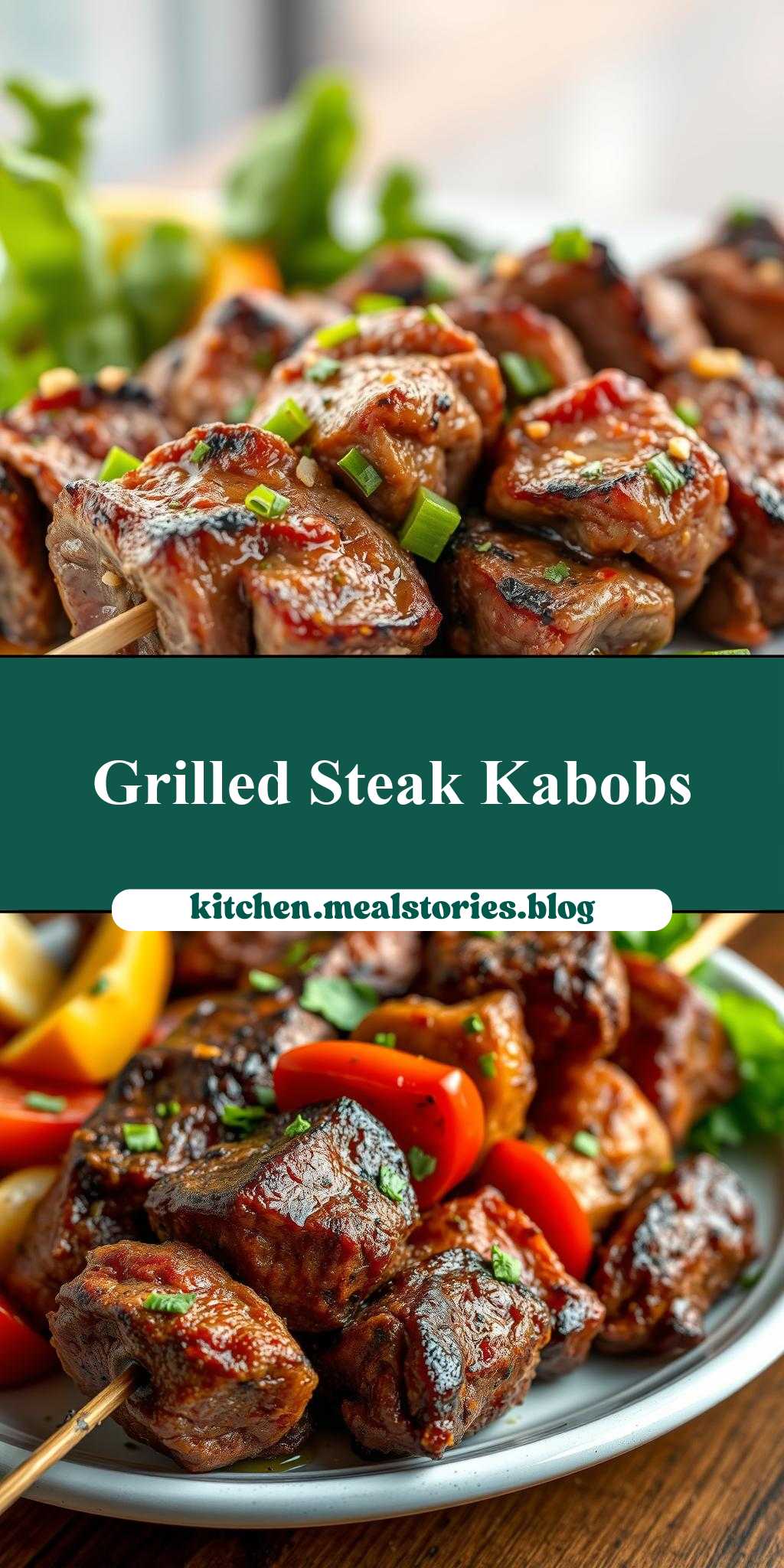
What makes a perfect summer evening meal? The best steak shish kabobs are here, packed with tender beef, colorful bell peppers, and onions, all grilled to perfection for a quick and easy weeknight dinner, try making them at home for a family favorite, save this idea.
the best steak shish kabobs are here
Introduction
Imagine the sizzle of a perfectly grilled steak shish kabob, the aroma of marinated meat and vegetables wafting through the air, tantalizing your taste buds and leaving you eager for that first bite. The best steak shish kabobs are not just about throwing some ingredients on a skewer; they’re about creating a culinary experience that combines ease, flavor, and creativity using everyday ingredients. With this recipe, you’ll discover how to elevate a simple dish into a masterpiece that will impress your family and friends. Whether you’re a seasoned grill master or a beginner in the kitchen, this guide will walk you through the process of making the best steak shish kabobs you’ve ever tasted.
Why This Works
- Flavor balance and ingredient accessibility: The key to a great steak shish kabob is achieving a balance of flavors and textures. This recipe uses accessible ingredients that are readily available in most supermarkets, ensuring that you can make it anytime without fuss.
- Ease of preparation: One of the best things about steak shish kabobs is how easy they are to prepare. From marinating the steak to threading the ingredients onto skewers, each step is straightforward and requires minimal effort.
- Impressive results with minimal effort: Despite the simplicity of the preparation, the end result is incredibly impressive. The combination of tender steak, crunchy vegetables, and the char from the grill makes for a dish that looks and tastes like it was made by a professional chef.
Key Ingredients
The main ingredients for the best steak shish kabobs include high-quality steak (such as sirloin or ribeye), colorful bell peppers, onions, mushrooms, cherry tomatoes, and a blend of olive oil, garlic, and your choice of herbs and spices for the marinade. Practical substitutions can be made based on personal preference and dietary needs, such as using chicken or tofu for a non-beef option, or swapping out vegetables based on what’s in season. The marinade can also be adjusted to suit different tastes, from a simple salt, pepper, and olive oil mix to a more complex blend of soy sauce, lemon juice, and herbs.
Instructions
- Step 1: Begin by preparing your ingredients. Cut the steak into bite-sized pieces, slice the bell peppers and onions, clean and halve the mushrooms, and wash the cherry tomatoes. In a large bowl, whisk together the marinade ingredients and add the steak, letting it marinate for at least 30 minutes to an hour for the best flavor.
- Step 2: Preheat your grill to medium-high heat. Thread the marinated steak and vegetables onto skewers, leaving a little space between each piece for even cooking. Brush the grill with oil to prevent sticking, then place the skewers on the grill. Cook for about 10-12 minutes, turning occasionally, until the steak is cooked to your desired level of doneness and the vegetables are tender and slightly charred.
- Step 3: While the kabobs are cooking, prepare any additional elements of your meal, such as a side salad or grilled bread. Once the kabobs are done, remove them from the heat and let them rest for a few minutes before serving. This allows the juices to redistribute, making the steak even more tender and flavorful.
- Step 4: For the final touches, serve the steak shish kabobs hot, garnished with fresh herbs if desired. You can also offer a variety of toppings or sides, such as tzatziki sauce, grilled pita bread, or a mixed green salad, to complement the dish and add to the dining experience.
Handy Tips
- Helpful kitchen advice includes making sure to soak wooden skewers in water for at least 30 minutes before using them to prevent burning on the grill. Also, don’t overcrowd the skewers, as this can lead to uneven cooking. For substitutions, consider using different types of protein or vegetables based on what you have available or prefer. Always keep an eye on the heat and the kabobs while they’re cooking to avoid overcooking or burning.
Heat Control
Heat control is crucial when making steak shish kabobs. The ideal temperature for grilling is medium-high heat, around 400°F to 450°F. Timing will depend on the thickness of your steak pieces and your desired level of doneness. As a general guideline, cook for 10-12 minutes for medium-rare, turning occasionally. Signs of doneness include the steak feeling firm to the touch for medium-rare, and the vegetables being tender but still crisp. Always use a meat thermometer for the most accurate results, aiming for 130°F to 135°F for medium-rare, 140°F to 145°F for medium, and 150°F to 155°F for medium-well or well-done.
Crunch Factor
Achieving the right crunch factor is important for steak shish kabobs. You want the vegetables to retain some crunch while being tender, and the steak to be juicy and grilled to perfection. To achieve this, ensure that you don’t overcook the vegetables, and that you’re grilling the steak at the right temperature. A slight char on the outside of the steak and vegetables adds to the crunch and flavor, making each bite satisfying and delicious.
Pro Kitchen Tricks
- Expert tips for better results include letting the steak come to room temperature before grilling for more even cooking, and not pressing down on the steak with your spatula while it’s cooking, as this can squeeze out juices and make the steak tough. For shortcuts, consider preparing the marinade and cutting the vegetables ahead of time, then simply threading the skewers and grilling when you’re ready. Cleanup hacks include having a tray or plate ready to place the skewers on after grilling, making it easier to serve and reducing mess.
Storage Tips
- For leftover storage, place the cooked kabobs in an airtight container in the refrigerator and consume within a day or two. For reheating, grill or bake the kabobs briefly until warmed through. The shelf life is short due to the nature of grilled foods, but they can be safely stored and reheated when done properly. The best containers for storage are those that are airtight and can prevent moisture and other flavors from affecting the kabobs.
Gift Packaging Ideas
If you’re considering gifting steak shish kabobs, perhaps for a barbecue-themed party or as a unique offering, you can package them in a variety of creative ways. Consider placing cooked and cooled kabobs in decorative jars or containers, wrapping them in foil or paper with a personalized note, or arranging them on a platter with garnishes like fresh herbs or pita bread. For a more rustic look, use wooden skewers and wrap the kabobs in a paper cone with a ribbon tie. Whatever method you choose, the presentation can add to the gift’s appeal and make it a memorable offering.
Flavor Variations
- Different spices can completely change the flavor profile of your steak shish kabobs. Consider using a Mediterranean mix with oregano, thyme, and lemon for a bright, herby taste, or a spicy blend with chili flakes and cumin for a bold, smoky flavor.
- Creative toppings can also enhance the dish. Offer a variety of sauces like tzatziki, chimichurri, or a simple yogurt and herb sauce for a cool contrast to the grilled meat and vegetables.
- Ingredient swaps are another way to mix things up. Try using different colors of bell peppers for a varied appearance, or swapping out the steak for chicken, shrimp, or tofu for a different protein option. Each change can result in a unique dining experience without straying far from the original recipe.
Troubleshooting
- Texture problems, such as overcooked steak or mushy vegetables, can often be resolved by adjusting cooking times and temperatures. Ensure that you’re not overcrowding the grill and that you’re turning the kabobs frequently.
- Ingredient replacements should be done thoughtfully, considering the flavor and texture the original ingredient brings to the dish. For example, if replacing steak with chicken, adjust the cooking time accordingly as chicken typically cooks more quickly.
- Over/undercooking signs are crucial to watch for. Steak that’s overcooked will be tough and dry, while undercooked steak will be raw in the center. Vegetables that are overcooked will be soft and lack crunch. Adjust your cooking time based on these signs to achieve the perfect doneness.
FAQs
- Can I freeze it? Yes, you can freeze steak shish kabobs both before and after cooking. Before cooking, freeze the marinated steak and vegetables on the skewers, then thaw and grill when ready. After cooking, cool the kabobs, then freeze for up to 3 months. Reheat by grilling or baking until warmed through.
- Is it gluten-free? This recipe is naturally gluten-free, making it a great option for those with gluten intolerance or preference. Just be sure to check the ingredients of any store-bought marinades or sauces you might use.
- Can I double the recipe? Yes, you can easily double or triple this recipe for larger gatherings. Just ensure that you have enough space on your grill for all the skewers, and adjust the cooking time slightly if necessary, as more kabobs can lower the grill temperature.
Conclusion
Making the best steak shish kabobs is a journey that combines simplicity with creativity, allowing you to experiment with flavors and ingredients while enjoying a delicious and satisfying meal. Whether you’re grilling for a crowd or a quiet evening at home, this recipe offers a versatile and impressive dish that’s sure to please. Don’t be afraid to share your creations, adapt the recipe to your tastes, and enjoy the process of cooking and sharing meals with others. With a little practice and patience, you’ll be a steak shish kabob master, ready to grill up a storm and delight your family and friends with every bite.