
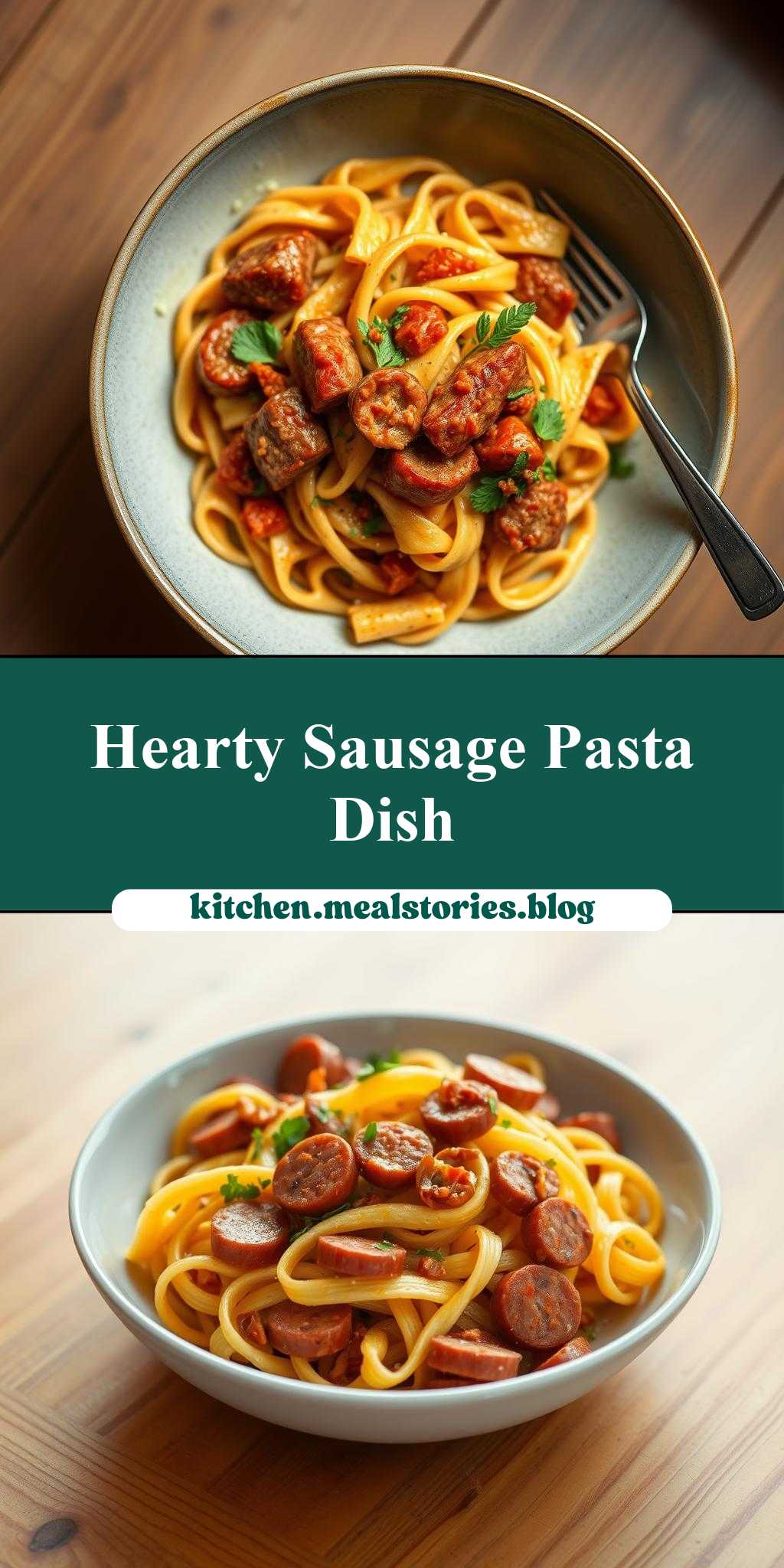
What makes a perfect weeknight dinner? A hearty bowl of homemade pasta with juicy sausage, cooked to perfection and ready in no time. This easy recipe is a family favorite, featuring tender noodles and flavorful sausage. Save this idea for a quick and satisfying meal solution.
a bowl filled with pasta and sausage on top of a wooden table
Introduction
This delectable dish is a perfect blend of comfort food and gourmet flair, made easily accessible with everyday ingredients. Imagine a warm, inviting bowl filled with al dente pasta, succulent sausage, and a medley of aromatic vegetables, all coming together in a harmonious balance of flavors. The beauty of this recipe lies in its simplicity, allowing for creativity and personal touches while maintaining an impressive level of flavor and presentation. Whether you’re a seasoned chef or a culinary newbie, this dish promises to delight your senses and leave you wanting more.
Why This Works
- Flavor balance and ingredient accessibility: The combination of pasta, sausage, and vegetables creates a well-rounded flavor profile that’s both satisfying and easy to achieve with commonly found ingredients.
- Ease of preparation: The steps involved are straightforward, making it an ideal choice for a quick dinner or a leisurely meal prep session.
- Impressive results with minimal effort: Despite its simplicity, the dish presents beautifully and tastes complex, making it perfect for both family dinners and special occasions.
Key Ingredients
The foundation of this recipe includes pasta of your choice (though penne or rigatoni work particularly well), Italian sausage for its rich, meaty flavor, a variety of colorful bell peppers for added sweetness and crunch, onions for depth, garlic for its unmistakable aroma, and a can of diced tomatoes to tie everything together with a burst of juicy flavor. For practical substitutions, consider using different types of sausage (like chorizo for a spicy kick or bratwurst for a more German-inspired flavor) or swapping out the pasta for a gluten-free alternative to accommodate dietary restrictions.
Instructions
- Step 1: Begin by prepping your ingredients. Chop the onions and bell peppers into bite-sized pieces, mince the garlic, and slice the sausage into rounds or halves, depending on your preference.
- Step 2: Cook your pasta according to the package instructions until it’s al dente, then set it aside. In a large skillet, heat a couple of tablespoons of olive oil over medium-high heat. Add the sausage and cook until browned, removing it from the skillet once done.
- Step 3: In the same skillet, add more olive oil if necessary, then sauté the onions and bell peppers until they’re tender. Add the minced garlic and cook for an additional minute, stirring constantly to prevent burning. Finally, add the can of diced tomatoes, stirring to combine, and let the sauce simmer for about 10 minutes, allowing the flavors to meld together.
- Step 4: To finish, add the cooked pasta to the skillet with the sauce, tossing everything together until the pasta is well coated. Return the cooked sausage to the skillet, combining it with the pasta and sauce. Season with salt, pepper, and any other desired herbs or spices. Serve hot, garnished with parsley or parmesan cheese for an extra touch of elegance.
Handy Tips
- For an added depth of flavor, consider adding a splash of red wine to the sauce as it simmers or using chicken broth for extra moisture.
- Don’t overcook the pasta or the sausage, as this can lead to a tough, unappetizing texture.
- Experiment with different types of peppers or add some diced mushrooms for extra texture and flavor variety.
Heat Control
Heat control is crucial in this recipe, especially when cooking the sausage and simmering the sauce. For the sausage, aim for a medium-high heat to achieve a nice brown crust on the outside while keeping the inside juicy. When simmering the sauce, reduce the heat to medium or medium-low, allowing the flavors to combine slowly without burning the garlic or reducing the sauce too quickly. Ideal cooking times will depend on your stove and the specific ingredients used, so keep an eye on your dish and adjust as necessary.
Crunch Factor
The crunch in this dish comes from the slightly firm texture of the al dente pasta and the tender crispness of the bell peppers. To achieve this, don’t overcook the pasta, and make sure to not over-sauté the vegetables. A bit of crunch from some toasted bread on the side or a sprinkle of crispy parmesan cheese on top can also elevate the dish, providing a satisfying textural contrast.
Pro Kitchen Tricks
- Use high-quality ingredients when possible, like fresh vegetables and real parmesan cheese, as these will significantly impact the flavor of your final dish.
- For easier cleanup, cook the sausage and vegetables in a skillet that can withstand high heat and is easy to scrub, like a cast-iron pan.
- Consider prepping ingredients like chopping vegetables or measuring spices ahead of time to streamline the cooking process and reduce stress.
Storage Tips
- Leftovers can be stored in an airtight container in the refrigerator for up to 3 days. Reheat gently in the microwave or on the stovetop, adding a bit of water or broth if the sauce has thickened too much.
- For longer storage, consider freezing the cooked pasta and sauce separately, then combining and reheating when needed. Frozen dishes typically last for 2-3 months.
- When reheating, be cautious not to overheat, as this can lead to dry, overcooked pasta. A gentle simmer or low microwave setting is best.
Gift Packaging Ideas
If you’re looking to share this dish as a gift, consider portioning it out into individual containers, topping each with a sprinkle of parmesan cheese and a few fresh basil leaves. For a more rustic presentation, place the pasta and sauce in a mason jar, adding a side of garlic bread or a green salad for a complete meal. Wrap the jar in a checkered cloth or twine for a charming, homemade touch.
Flavor Variations
- Different spices: Add some red pepper flakes for a spicy kick, or use Italian seasoning for a more traditional flavor profile.
- Creative toppings: Consider adding some roasted vegetables, a dollop of ricotta cheese, or a sprinkle of toasted pine nuts for added texture and flavor.
- Ingredient swaps: Use gluten-free pasta for dietary restrictions, or substitute the sausage with chicken or tofu for a vegetarian option.
Troubleshooting
- Texture problems: If the pasta is too hard, it may not have cooked long enough. If it’s too soft, it was likely overcooked. Adjust cooking time as needed for future dishes.
- Ingredient replacements: If you can’t find Italian sausage, consider using another spicy sausage or adding spices to ground beef or pork to mimic the flavor.
- Over/undercooking signs: Keep an eye on the color and texture of your dish. Sausage should be browned and firm to the touch, while pasta should have a slight bite but not be hard.
FAQs
- Can I freeze it? Yes, this dish freezes well. Separate the pasta and sauce before freezing for easier reheating.
- Is it gluten-free? Not in its traditional form, but you can make it gluten-free by using gluten-free pasta and being mindful of the sausage and sauce ingredients.
- Can I double the recipe? Absolutely. Just keep an eye on cooking times and adjust as necessary to ensure everything is cooked through and heated evenly.
Conclusion
This recipe for a bowl filled with pasta and sausage on top of a wooden table is more than just a meal; it’s an experience. It’s about bringing people together with the simplicity and heartiness of comfort food, elevated by the ease and flexibility of using everyday ingredients. Feel free to experiment, share, and enjoy this dish in the company of loved ones, and don’t hesitate to reach out with questions or your own creative variations. Happy cooking!