
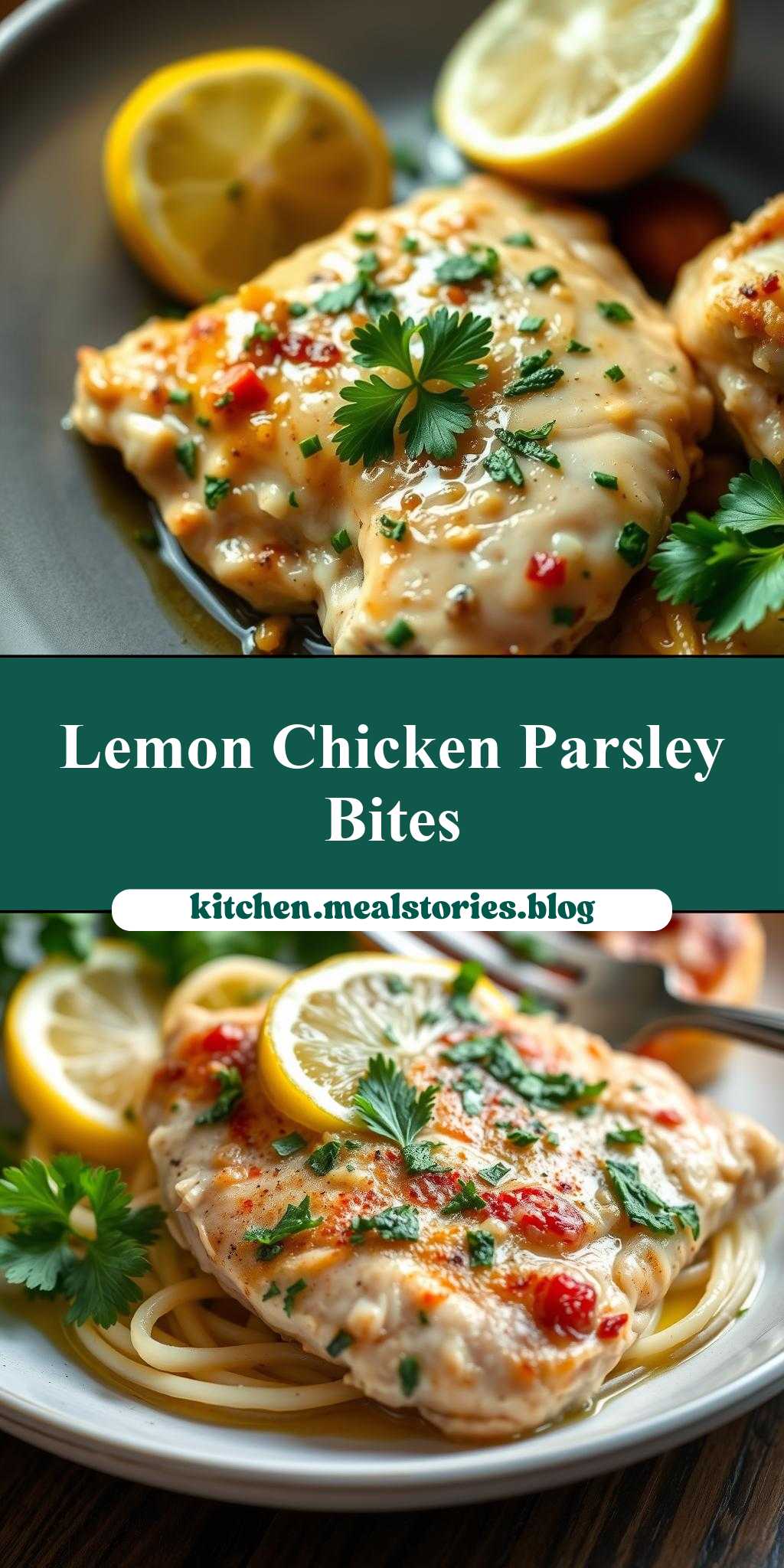
What’s the secret to a timeless Italian dish that’s ready in no time? This easy chicken piccata recipe puts fresh lemons and parsley to delicious use, making it a perfect quick weeknight dinner solution. With its light and tangy sauce, homemade has never tasted so good – save this idea for a family favorite that’s sure to please.
this easy chicken piccata recipe is the perfect way to use fresh lemons and parsley
Introduction
Are you looking for a dish that combines the brightness of fresh lemons with the earthiness of parsley, all while being incredibly easy to make? This chicken piccata recipe is the perfect solution. It’s a creative way to use everyday ingredients to create a meal that’s not only flavorful but also visually appealing. The best part? It requires minimal effort, making it perfect for a weeknight dinner or a special occasion. With its delicate balance of citrus, herbs, and tender chicken, this recipe is sure to become a staple in your kitchen.
Why This Works
- Flavor balance and ingredient accessibility: The combination of lemon, garlic, and parsley creates a well-rounded flavor profile that’s both refreshing and savory. Plus, these ingredients are readily available in most supermarkets, making this dish accessible to anyone.
- Ease of preparation: The steps involved in making chicken piccata are straightforward and quick, requiring only basic cooking skills. This makes it an ideal recipe for beginners or those short on time.
- Impressive results with minimal effort: Despite its simplicity, chicken piccata presents beautifully and tastes sophisticated, making it perfect for entertaining guests or a special meal.
Key Ingredients
The main ingredients in this chicken piccata recipe include chicken breasts, fresh lemons, parsley, garlic, and capers. The chicken provides the protein base, while the lemons and parsley add a burst of citrus and freshness. Garlic enhances the flavor depth, and capers contribute a salty, pickled taste. For practical substitutions, you can use dried parsley if fresh is not available, and lemon juice can be replaced with lime juice for a slightly different twist. Chicken breasts can be substituted with chicken thighs for a juicier outcome, though cooking times may vary.
Instructions
- Step 1: Begin by preparing your ingredients. Chop the parsley, slice the lemons, mince the garlic, and rinse the capers. Pound the chicken breasts to an even thickness to ensure they cook uniformly.
- Step 2: Season the chicken with salt and pepper. Then, dredge the chicken in flour, shaking off any excess. This step is crucial for creating a crispy exterior on the chicken.
- Step 3: Heat a couple of tablespoons of olive oil in a large skillet over medium-high heat. Add the chicken and cook until it’s browned on both sides and cooked through, about 5-6 minutes per side. Remove the chicken from the skillet and set it aside to rest.
- Step 4: In the same skillet, add a bit more olive oil if necessary, then add the minced garlic and cook for about 1 minute until fragrant. Add the capers, parsley, and a squeeze of fresh lemon juice. Stir to combine and let it simmer for a couple of minutes until the sauce has slightly thickened. Return the chicken to the skillet and spoon some of the sauce over the top of each breast.
Handy Tips
- Use high-quality ingredients: Fresh lemons and parsley make a significant difference in the flavor and appearance of the dish.
- Don’t overcook the chicken: It should be cooked through but still juicy. Overcooking can make it dry and tough.
- Adjust the amount of garlic and capers to taste: Some people prefer a stronger garlic flavor, while others like a more subtle taste.
Heat Control
Heat control is crucial in this recipe, especially when cooking the chicken. The ideal temperature for cooking chicken breasts is medium-high heat, which allows for a nice sear on the outside while cooking the inside evenly. The chicken is done when it reaches an internal temperature of 165°F (74°C). Always use a thermometer to ensure the chicken is cooked to a safe temperature.
Crunch Factor
Achieving the right crunch factor in chicken piccata comes from the dredging process and the cooking technique. By coating the chicken in flour and then searing it in a hot skillet, you create a crispy exterior that contrasts beautifully with the tender interior. To enhance the crunch, make sure the skillet is hot before adding the chicken, and don’t overcrowd the skillet, as this can lower the oil temperature and result in a less crispy coating.
Pro Kitchen Tricks
- Use a cast-iron skillet: These skillets retain heat well and can achieve a perfect sear on the chicken.
- Don’t stir the garlic too much: Let it cook for a bit on each side to develop a deeper flavor.
- Let the chicken rest: After cooking, let the chicken breasts rest for a few minutes before slicing. This helps the juices redistribute, making the chicken more tender and juicy.
Storage Tips
- Leftovers can be stored in an airtight container in the refrigerator for up to 3 days.
- Reheat gently: You can reheat the chicken and sauce in the microwave or on the stovetop over low heat. Be careful not to overheat, as this can dry out the chicken.
- Freezing: While it’s possible to freeze cooked chicken piccata, the texture and flavor might not be as vibrant as when it’s freshly made. If you choose to freeze, make sure the chicken is cooled completely before placing it in a freezer-safe bag or container.
Gift Packaging Ideas
If you’re considering gifting this dish, perhaps for a potluck or as a meal for a friend, you can package it in a decorative container with a tight-fitting lid. Add some fresh parsley on top for garnish and include a slice of lemon on the side. For a more rustic look, you can wrap the container in a tea towel or place it in a basket with some crusty bread and a side salad.
Flavor Variations
- Different spices: Try adding a pinch of red pepper flakes for a spicy kick or some dried thyme for an earthier flavor.
- Creative toppings: In addition to parsley, you can top the chicken with chopped fresh basil, dill, or even some sautéed mushrooms for added texture and flavor.
- Ingredient swaps: For a vegetarian version, you can substitute the chicken with portobello mushrooms or eggplant slices, adjusting the cooking time accordingly.
Troubleshooting
- Texture problems: If the chicken becomes too dry, it might be overcooked. Try reducing the cooking time in the future. If the sauce is too thick, you can thin it out with a bit of chicken broth or white wine.
- Ingredient replacements: If you don’t have capers, you can omit them or substitute with chopped green olives for a similar salty flavor.
- Over/undercooking signs: The chicken should feel firm to the touch and reach an internal temperature of 165°F (74°C). If it’s undercooked, it will feel soft and squishy. If it’s overcooked, it will be dry and hard.
FAQs
- Can I freeze it? Yes, you can freeze chicken piccata, but the quality might degrade slightly. It’s best consumed fresh.
- Is it gluten-free? The recipe as described is not gluten-free due to the flour used for dredging the chicken. However, you can substitute the flour with a gluten-free alternative to make it gluten-free.
- Can I double the recipe? Yes, you can easily double or triple the recipe for a larger crowd. Just ensure you have a large enough skillet to cook the chicken in batches if necessary, to prevent overcrowding.
Conclusion
This easy chicken piccata recipe is a versatile and delicious addition to any meal repertoire. With its bright, citrusy flavor and the ease of preparation, it’s perfect for both beginners and seasoned cooks. Feel free to experiment with the ingredients and flavor variations to make the dish your own. Whether you’re cooking for yourself or entertaining guests, this recipe is sure to impress. So, go ahead, give it a try, and enjoy the process of creating something truly special with minimal effort.