
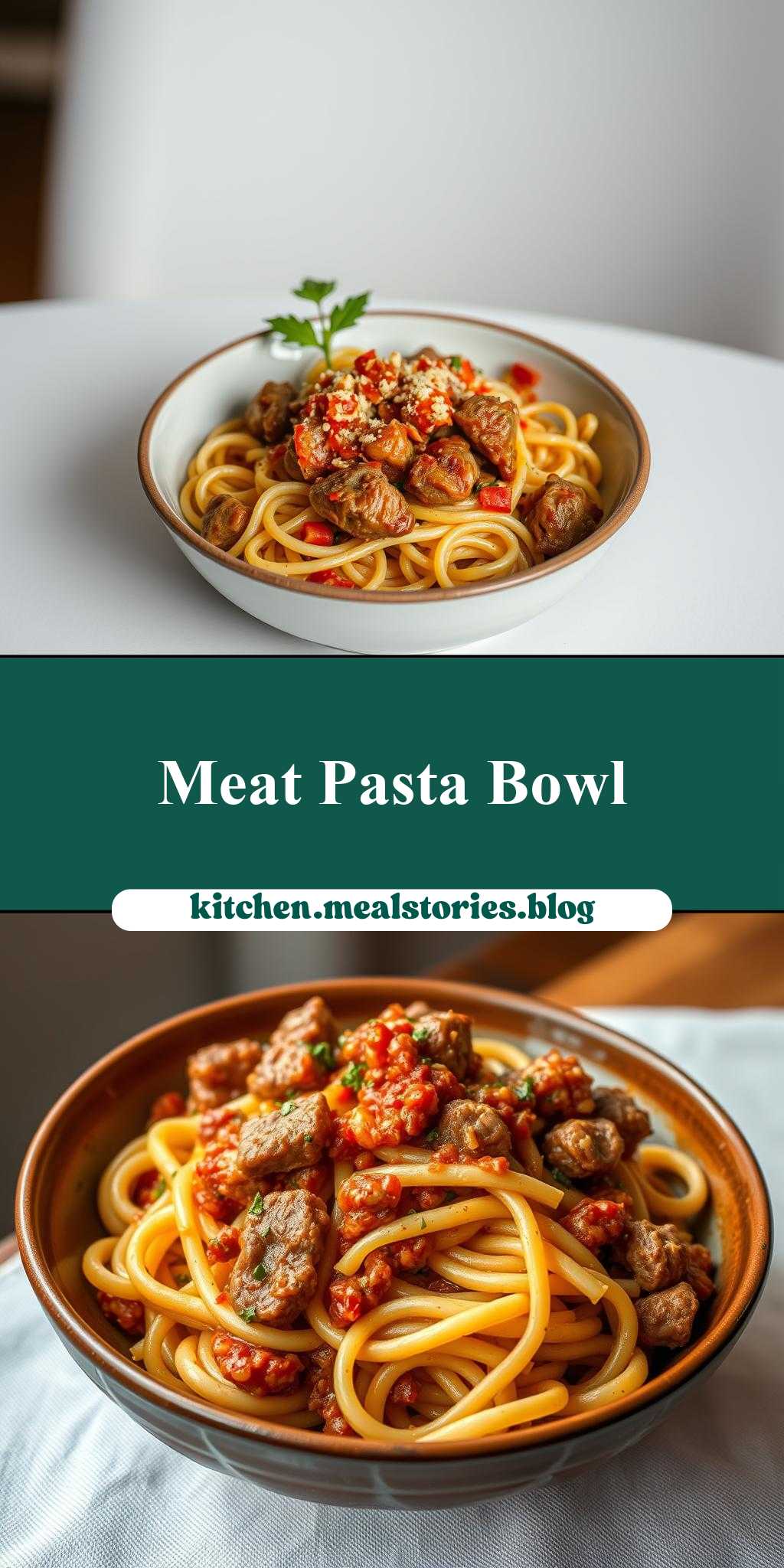
What makes the perfect weeknight dinner? A hearty bowl of homemade pasta with tender meat, slow cooked to perfection. Try this easy recipe featuring ground beef and rich tomato sauce for a quick family favorite. Save this idea
a bowl filled with pasta and meat on top of a table
Introduction
Imagine a warm, inviting bowl filled with the perfect blend of al dente pasta, savory meat, and a medley of flavors that will leave you craving for more. This dish is not just about filling your belly; it’s an experience that combines ease, flavor, and creativity, all using everyday ingredients that you might already have in your pantry. Whether you’re a busy professional looking for a quick dinner solution or an avid cook seeking to impress your family and friends, this recipe is tailored to meet your needs. It’s a celebration of simplicity and taste, proving that you don’t need to break the bank or spend hours in the kitchen to enjoy a gourmet meal.
Why This Works
- Flavor balance and ingredient accessibility: The beauty of this dish lies in its balance of flavors and the ease of finding its ingredients. Each component complements the others, creating a harmonious taste experience that is both satisfying and refreshing.
- Ease of preparation: One of the standout features of this recipe is how easy it is to prepare. With straightforward steps and minimal cooking time, you can have a delicious meal ready in no time, perfect for those hectic days when time is of the essence.
- Impressive results with minimal effort: Despite its simplicity, this dish presents impressively, making it a great option for dinner parties or special occasions. The combination of pasta, meat, and the savory sauce creates a visually appealing dish that is sure to impress your guests.
Key Ingredients
The foundation of this recipe includes high-quality pasta, preferably a type that holds onto sauces well like pappardelle or rigatoni, a good cut of meat such as ground beef or pork for the rich flavor, onions and garlic for added depth, a can of diced tomatoes for the base of the sauce, and fresh basil for a touch of freshness. Practical substitutions can be made based on dietary preferences or what’s available in your pantry, such as using vegetarian meat alternatives or different types of canned tomatoes. The key is to maintain the balance of flavors and textures that make this dish so enjoyable.
Instructions
- Step 1: Begin by prepping your ingredients. Chop the onions and garlic finely, and if using fresh tomatoes, dice them. Measure out your spices and have your canned goods ready. This step is crucial as it sets the stage for a smooth and efficient cooking process.
- Step 2: Cook your pasta according to the package instructions until it’s al dente. While the pasta is cooking, start making the sauce. Heat a couple of tablespoons of olive oil in a large skillet over medium heat. Add the chopped onions and cook until they’re translucent, then add the garlic and cook for another minute, stirring constantly to prevent burning.
- Step 3: Add the ground meat to the skillet, breaking it up with a spoon as it cooks. Once the meat is browned, add the diced tomatoes, tomato paste, and spices. Stir well to combine and let the sauce simmer for about 20 minutes, allowing the flavors to meld together and the sauce to thicken. Season with salt and pepper to taste.
- Step 4: Drain the pasta and add it to the sauce, tossing everything together until the pasta is well coated. Serve hot, garnished with fresh basil leaves and grated Parmesan cheese. This final step is where you get to be creative with your presentation, making each bowl a masterpiece that’s almost too good to eat.
Handy Tips
- Avoid overcooking the pasta, as it will become mushy and unappetizing. Al dente pasta provides a better texture contrast to the soft sauce.
- For a vegetarian version, consider substituting the meat with roasted eggplant or zucchini, which will add a meaty texture without the meat.
- Don’t skip the step of simmering the sauce, as this is where the magic happens, and the flavors deepen and richen.
Heat Control
Heat control is crucial in this recipe, especially when cooking the meat and simmering the sauce. For the meat, you want to cook it over medium-high heat to get a good brown, which adds flavor. Once the sauce is added, reduce the heat to medium or medium-low to prevent burning and to allow the sauce to simmer gently. The ideal temperature for simmering is between 180°F and 190°F, which is hot enough to cook the sauce but not so hot that it boils aggressively.
Crunch Factor
The crunch factor in this dish can be achieved by adding some toasted breadcrumbs or grated vegetables on top of the pasta before serving. This adds a satisfying textural element that complements the softness of the pasta and sauce. Alternatively, a sprinkle of crispy fried onions or capers can provide a delightful crunch and a burst of flavor.
Pro Kitchen Tricks
- Use a mixture of ground meats for a more complex flavor profile. For example, combining beef, pork, and a bit of lamb can create a rich and intriguing taste experience.
- Acidity, such as a squeeze of fresh lemon juice, can help brighten the flavors in the dish and cut through the richness of the sauce.
- For an extra creamy sauce, add a spoonful of heavy cream or Greek yogurt towards the end of the simmering time. This will enrich the sauce and give it a luxurious feel.
Storage Tips
- Leftovers can be stored in an airtight container in the refrigerator for up to 3 days. Reheat gently over low heat, adding a bit of water if the sauce has thickened too much.
- For longer storage, consider freezing the sauce separately from the pasta. The sauce can be frozen for up to 6 months, and when you’re ready to eat, simply thaw and serve over freshly cooked pasta.
- When reheating, make sure the dish is heated through to an internal temperature of at least 165°F to ensure food safety.
Gift Packaging Ideas
If you’re considering gifting this dish, perhaps for a potluck or as a care package, there are several creative ways to package it. For a more rustic appeal, use a mason jar and layer the pasta, sauce, and toppings in a visually appealing way. Secure the lid and add a ribbon around the neck of the jar with a gift tag. Alternatively, use a microwave-safe container and package it with a side of garlic bread or a green salad for a complete meal. Don’t forget to include reheating instructions for the recipient.
Flavor Variations
- Different spices: Experiment with various spice blends to give your dish a unique twist. For example, adding a bit of cumin and chili powder can give it a Mexican flair, while oregano and thyme can transport it to the Mediterranean.
- Creative toppings: Beyond the classic Parmesan cheese and basil, consider other toppings like roasted vegetables, grilled chicken, or even a fried egg for added richness and texture.
- Ingredient swaps: Don’t be afraid to substitute ingredients based on what you have on hand or your personal preferences. For instance, using different types of pasta or swapping the ground meat for sautéed mushrooms can completely change the character of the dish.
Troubleshooting
- Texture problems: If your sauce ends up too thick, a bit of water or broth can thin it out. Conversely, if it’s too thin, simmering it for a longer period or adding a bit of tomato paste can help thicken it.
- Ingredient replacements: If you’re missing an ingredient, look for substitutes that can provide a similar flavor or texture. For example, if you don’t have garlic, you could use shallots or even a bit of garlic powder as a last resort.
- Over/undercooking signs: Keep an eye on your pasta’s cooking time, and check it frequently towards the end of the cooking time to avoid overcooking. For the sauce, simmering it too long can result in it becoming too thick and concentrated, so monitor its consistency and flavor as it cooks.
FAQs
- Can I freeze it? Yes, the sauce can be frozen for up to 6 months. It’s best to freeze it without the pasta, then cook fresh pasta when you’re ready to serve.
- Is it gluten-free? This depends on the type of pasta used. If you use gluten-free pasta, the dish can be gluten-free. However, always check the ingredients of the sauce and any added spices for gluten.
- Can I double the recipe? Absolutely, this recipe can be easily doubled or tripled to feed a larger crowd. Just keep in mind that you may need to adjust the cooking time slightly for the sauce.
Conclusion
Creating a bowl filled with pasta and meat on top of a table is more than just following a recipe; it’s an act of love and care that brings people together. With its ease of preparation, accessibility of ingredients, and the impressive results it yields, this dish is perfect for any occasion, whether it’s a quick weeknight dinner or a special gathering. Feel free to adapt it, share it, and make it your own, and don’t hesitate to reach out if you have any questions or need further guidance. Happy cooking, and I hope you enjoy every delicious bite of this incredible pasta dish!