
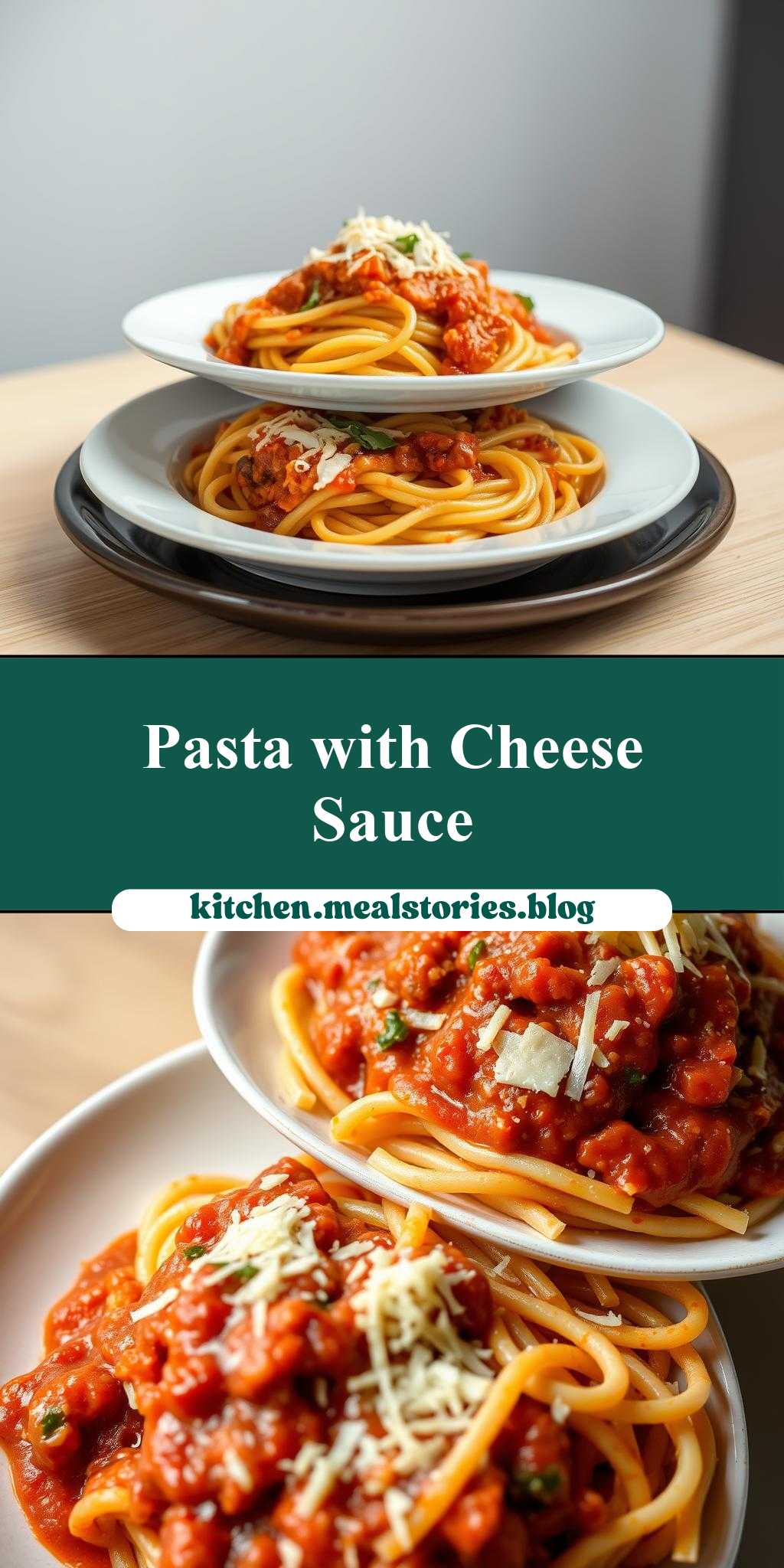
What’s the secret to a perfect weeknight dinner? It starts with a homemade pasta dish, loaded with rich sauce and melted cheese. This easy recipe is a family favorite, made with tender noodles and a quick cooking method. Save this idea for a delicious meal anytime.
Two Plates Filled with Pasta and Sauce on Top of Each Other, One Has Cheese
Introduction
Imagine a dish so simple, yet so packed with flavor and creativity, that it becomes the centerpiece of your next dinner party or a cozy night in. “Two plates filled with pasta and sauce on top of each other, one has cheese” is more than just a description; it’s an experience. This recipe combines the comforting familiarity of pasta, the richness of a well-crafted sauce, and the indulgence of melted cheese, all layered in a visually stunning presentation. The beauty of this dish lies in its ease of preparation, the accessibility of its ingredients, and the impressive results that can be achieved with minimal effort. Whether you’re a seasoned chef or a culinary beginner, this recipe is sure to delight your senses and leave you wanting more.
Why This Works
- Flavor balance and ingredient accessibility: The combination of pasta, sauce, and cheese offers a perfect balance of flavors and textures, making it a dish that appeals to a wide range of tastes. Moreover, the ingredients are easily found in most supermarkets, making it accessible to everyone.
- Ease of preparation: Despite its impressive presentation, this dish is remarkably easy to prepare. The steps are straightforward, and the cooking time is relatively short, making it perfect for a quick dinner or a special occasion.
- Impressive results with minimal effort: The key to this dish is in its layering and presentation. By stacking two plates of pasta and sauce, with one topped with cheese, you create a visually appealing dish that suggests a lot more effort was put into its preparation than actually was.
Key Ingredients
The main ingredients for this dish include pasta of your choice (spaghetti, linguine, or fettuccine work well), a homemade or store-bought pasta sauce, and cheese (parmesan, mozzarella, or a blend). Practical substitutions can be made based on dietary preferences or what’s available in your pantry. For example, gluten-free pasta can be used for those with gluten intolerance, and vegan cheese alternatives can replace traditional cheese for a vegan version. Fresh basil leaves add a bright, herbaceous note to the dish and can be substituted with other herbs like parsley or oregano if preferred.
Instructions
- Step 1: Begin by preparing your ingredients. Cook the pasta according to the package instructions until it’s al dente, then set it aside. If using homemade sauce, prepare it by sautéing onions, garlic, and your choice of ground meat (if using), then adding canned tomatoes and simmering until the sauce thickens. If using store-bought sauce, simply heat it up in a saucepan.
- Step 2: Combine the cooked pasta and the heated sauce in a large bowl. Mix well to ensure the pasta is evenly coated with the sauce.
- Step 3: To assemble the dish, place a portion of the pasta and sauce mixture onto one plate. Then, take another plate and place it on top of the first, creating a stack. On top of the second plate, add an additional layer of pasta and sauce, and finish it off with a generous helping of cheese.
- Step 4: For the final touches, place the stacked plates under the broiler for a few minutes to melt the cheese and create a golden-brown crust. Remove from the oven, garnish with fresh basil leaves, and serve immediately.
Handy Tips
- When cooking pasta, always add a bit of salt to the boiling water to enhance the flavor. Also, reserve some of the pasta water before draining, as it can be added to the sauce if it becomes too thick.
- For an extra creamy sauce, consider adding a spoonful of heavy cream or half-and-half towards the end of the simmering time.
- Avoid overcooking the pasta, as it will become mushy and unappetizing. Al dente pasta holds its shape and provides a better texture contrast to the sauce and cheese.
Heat Control
When heating the sauce, it’s essential to maintain a simmer to prevent burning or sticking. If using a homemade sauce, start with a medium heat to sauté the onions and garlic, then reduce to low once the sauce is simmering. For melting the cheese under the broiler, keep an eye on the dish to avoid over-browning. The ideal temperature for melting cheese is around 350°F to 400°F (175°C to 200°C), and the timing will depend on the thickness of the cheese layer and the distance from the broiler.
Crunch Factor
The crunch factor in this dish can be achieved by adding some toasted breadcrumbs or grated nuts on top of the cheese before placing it under the broiler. This adds a satisfying crunch that contrasts beautifully with the soft pasta and melted cheese. Alternatively, a sprinkle of crispy fried onions or capers can also provide a delightful textural element.
Pro Kitchen Tricks
- Use high-quality ingredients: While it might be tempting to go for the cheapest options, investing in good quality pasta, sauce, and cheese will elevate the dish significantly.
- Don’t overmix: When combining the pasta and sauce, mix just until they come together. Overmixing can lead to a clumpy, unappetizing mess.
- Clean as you go: To make the cooking process more enjoyable and to avoid a huge cleanup at the end, wash and put away utensils and dishes as you use them.
Storage Tips
- Leftover pasta and sauce can be stored in the refrigerator for up to 3 days. Reheat gently over low heat, adding a bit of water if the sauce has thickened too much.
- For longer storage, consider freezing the cooked pasta and sauce mixture. Place it in an airtight container or freezer bag, label, and store for up to 3 months. Reheat from frozen, adding cheese once reheated.
- The best containers for storing leftovers are airtight, microwave-safe containers to prevent moisture and other flavors from affecting the dish.
Gift Packaging Ideas
If you’re considering gifting this dish, perhaps for a potluck or as a care package, it can be nicely packaged in microwave-safe containers with a clear plastic wrap on top. Add a ribbon around the container with a gift tag that includes reheated instructions for a personal touch. For a more rustic appeal, use ceramic dishes covered with a checkered cloth and tied with twine, accompanied by a handwritten note with serving suggestions.
Flavor Variations
- Different spices: Experiment with various spice blends, such as Italian seasoning, basil, or oregano, to give your sauce a unique flavor profile.
- Creative toppings: Beyond cheese, consider adding other toppings like diced meats (bacon, ham), roasted vegetables, or a dollop of pesto to add more flavor and texture.
- Ingredient swaps: For a vegan version, swap the cheese with a vegan alternative and use a meat-free sauce. For a gluten-free version, use gluten-free pasta.
Troubleshooting
- Texture problems: If the pasta is too mushy, it was overcooked. If the sauce is too thick, add a bit of the reserved pasta water. If the cheese doesn’t melt well, it might be due to the type of cheese or the temperature of the broiler.
- Ingredient replacements: Always read labels if you’re substituting ingredients due to dietary restrictions. Ensure that the replacement ingredients align with the dietary needs (e.g., gluten-free, vegan).
- Over/undercooking signs: Pasta that’s al dente will have a bit of bite or chew to it. If it’s overcooked, it will be soft and mushy. Sauce that’s undercooked might still taste raw or metallic from the canned tomatoes, while overcooked sauce will be too thick and possibly burnt.
FAQs
- Can I freeze it? Yes, the cooked pasta and sauce can be frozen for up to 3 months. Reheat and add cheese once thawed.
- Is it gluten-free? It can be made gluten-free by using gluten-free pasta and ensuring the sauce and any additional ingredients are gluten-free.
- Can I double the recipe? Yes, all ingredients can be doubled to serve a larger crowd. Just be sure to use a larger pot for cooking the pasta and adjust the cooking time slightly if necessary.
Conclusion
In conclusion, “two plates filled with pasta and sauce on top of each other, one has cheese” is a recipe that embodies the spirit of comfort food while offering a creative twist on a classic dish. Its appeal lies not just in its flavor and presentation but also in its adaptability and the joy of sharing it with others. Whether you’re a food enthusiast looking to impress your guests or a busy parent seeking a quick yet satisfying meal, this recipe is sure to become a favorite. So go ahead, experiment with different flavors, share it with friends and family, and enjoy the process of creating something truly special from the comfort of your own kitchen.