
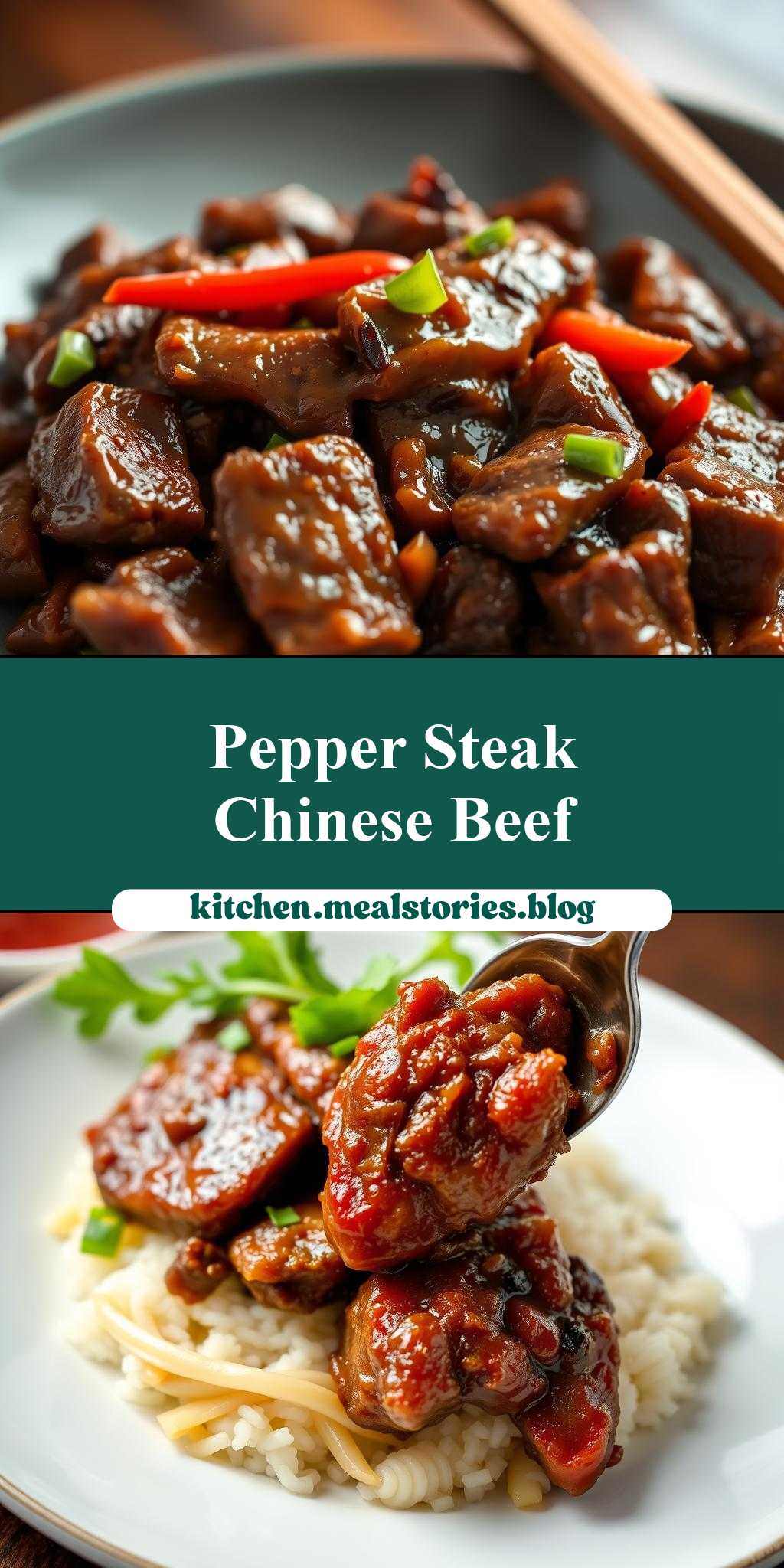
What’s the secret to a perfectly balanced stir fry? This Chinese Pepper Steak recipe is a game changer with its quick and easy method of cooking tender beef and bell peppers in a savory sauce, making it a great homemade weeknight dinner option, thanks to the use of simple ingredients like soy sauce and garlic. Save this idea for a delicious family favorite meal.
Chinese Pepper Steak
Introduction
Indulge in the savory and slightly sweet flavors of Chinese Pepper Steak, a dish that embodies the perfect blend of ease, flavor, and creativity, all while utilizing everyday ingredients. This recipe is a masterclass in balancing flavors and textures, making it an impressive addition to any meal. With its straightforward preparation and use of accessible ingredients, Chinese Pepper Steak is not only a delight to the taste buds but also a testament to the simplicity and elegance of Chinese cuisine. Whether you’re a seasoned chef or a beginner in the kitchen, this dish promises to deliver a culinary experience that will leave you and your guests craving for more.
Why This Works
- Flavor balance and ingredient accessibility: The combination of soy sauce, garlic, and bell peppers creates a harmonious balance of savory, sweet, and slightly spicy flavors, all of which can be achieved with ingredients commonly found in most supermarkets.
- Ease of preparation: The steps involved in preparing Chinese Pepper Steak are straightforward and simple, requiring minimal kitchen expertise. This makes it an ideal choice for a quick weeknight dinner or a special occasion meal.
- Impressive results with minimal effort: Despite its simplicity, the dish presents beautifully and tastes complex, making it perfect for entertaining guests or satisfying family cravings without spending hours in the kitchen.
Key Ingredients
The main ingredients in Chinese Pepper Steak include sliced beef (or chicken, for a variation), bell peppers (any color), onions, garlic, soy sauce, olive oil, and a pinch of salt and pepper. For those looking for substitutions, chicken or tofu can replace beef for a different protein option, and various types of peppers can be used to change the flavor profile slightly. Additionally, for a gluten-free version, ensure that the soy sauce used is gluten-free. Practicality and flexibility are key in this recipe, allowing for personalization based on dietary needs and preferences.
Instructions
- Step 1: Begin by preparing all the ingredients. Slice the beef into thin strips, chop the bell peppers and onions into bite-sized pieces, and mince the garlic. This step is crucial as it ensures that all ingredients cook evenly and quickly.
- Step 2: Heat a couple of tablespoons of olive oil in a large skillet or wok over medium-high heat. Once the oil is hot, add the beef and cook until it’s browned, about 3-4 minutes. Remove the beef from the skillet and set it aside. This step seals in the juices of the beef and starts building the flavor of the dish.
- Step 3: In the same skillet, add a bit more oil if necessary, then add the minced garlic and cook for about 1 minute until fragrant. Follow this by adding the sliced onions and bell peppers. Cook, stirring occasionally, until the vegetables are tender-crisp, which should take about 5 minutes. Then, add the cooked beef back into the skillet, pour in soy sauce (or a combination of soy sauce and oyster sauce for added depth), and stir everything! This step combines all the flavors and textures, creating a rich and satisfying sauce.
- Step 4: Final touches involve seasoning with salt and pepper to taste, and perhaps adding some chopped green onions or sesame seeds for garnish. Serve the Chinese Pepper Steak over rice or noodles, and enjoy the delightful combination of flavors and textures in each bite.
Handy Tips
- For a crisper texture on the beef, make sure to pat it dry with a paper towel before cooking. This step helps create a better sear on the beef.
- Don’t overcook the vegetables; they should retain some crunch to provide a nice contrast to the tender beef.
- Experiment with different colors of bell peppers to change the visual appeal of the dish. Each color has a slightly different sweetness level, which can add variety to the recipe.
Heat Control
Maintaining the right heat is crucial in cooking Chinese Pepper Steak. Start with medium-high heat to sear the beef and achieve a nice brown color, which is essential for the flavor. Then, reduce the heat to medium to cook the vegetables through without burning them. The ideal internal temperature for the beef is at least 145°F (63°C) for medium-rare, 160°F (71°C) for medium, and 170°F (77°C) for well done. Use a thermometer to ensure the beef is cooked to your desired level of doneness.
Crunch Factor
Achieving the right texture is key to the dish’s appeal. The beef should be tender, the vegetables crisp, and if served with noodles or rice, these should be cooked to the right consistency as well. To ensure the vegetables retain their crunch, cook them until they are tender-crisp, which means they still have a bit of bite to them. This contrast in textures adds depth and enjoyment to the meal.
Pro Kitchen Tricks
- Use a wok if you have one, as it distributes heat evenly and can cook ingredients quickly, preserving their textures and flavors.
- Prepare all ingredients before starting to cook, a technique known as “mise en place,” to ensure a smooth and efficient cooking process.
- Don’t overcrowd the skillet or wok, as this can lower the temperature of the pan and result in steamed instead of seared ingredients. Cook in batches if necessary.
Storage Tips
- Leftovers can be stored in an airtight container in the refrigerator for up to 3 days. Reheat gently in the microwave or on the stovetop, adding a bit of water if the sauce has thickened.
- When reheating, make sure the dish is heated through to an internal temperature of at least 165°F (74°C) to ensure food safety.
Gift Packaging Ideas
While Chinese Pepper Steak is typically served hot and fresh, components of the dish can be gifted in creative ways. For example, a jar of homemade soy sauce or a packet of specialty noodles can be beautifully wrapped and given as a gift. Consider adding a recipe card for Chinese Pepper Steak to complete the gift, allowing the recipient to enjoy the dish themselves.
Flavor Variations
- Different spices: Adding a pinch of red pepper flakes can give the dish a spicy kick, while a sprinkle of five-spice powder can add depth and warmth.
- Creative toppings: Garnishes like toasted sesame seeds, chopped scallions, or diced fresh chili peppers can add fresh flavors and textures.
- Ingredient swaps: Using chicken or tofu instead of beef, or substituting different types of peppers, can create variations on the theme without straying far from the original recipe.
Troubleshooting
- Texture problems: If the beef becomes tough, it may have been overcooked. Try cooking it for less time or using a more tender cut of meat.
- Ingredient replacements: If an ingredient is not available, look for substitutes that offer similar flavors or textures. For example, coconut aminos can replace soy sauce in some recipes.
- Over/undercooking signs: Keep an eye on the dish as it cooks, checking for doneness regularly. Undercooked meat will be raw and pink, while overcooked vegetables will be mushy.
FAQs
- Can I freeze it? Yes, Chinese Pepper Steak can be frozen for later use. It’s best to freeze the beef and vegetable mixture separately from any rice or noodles.
- Is it gluten-free? This depends on the soy sauce used. Look for gluten-free soy sauce to make the dish safe for those with gluten intolerance.
- Can I double the recipe? Absolutely, the recipe can be doubled or even tripled for larger groups. Just ensure you have a large enough skillet or wok to accommodate all the ingredients.
Conclusion
Chinese Pepper Steak is a versatile and flavorful dish that can elevate any meal. With its simple preparation, accessible ingredients, and room for creativity, it’s a recipe that can be enjoyed by everyone. Whether you’re cooking for one or for a crowd, this dish promises to deliver a satisfying and delicious experience. Feel free to experiment with different variations and substitutions to make the recipe your own, and don’t hesitate to share your creations with friends and family. The beauty of Chinese Pepper Steak lies not only in its taste but also in the joy of cooking and sharing it with others.